 New added
Phewa Lake Pokhara
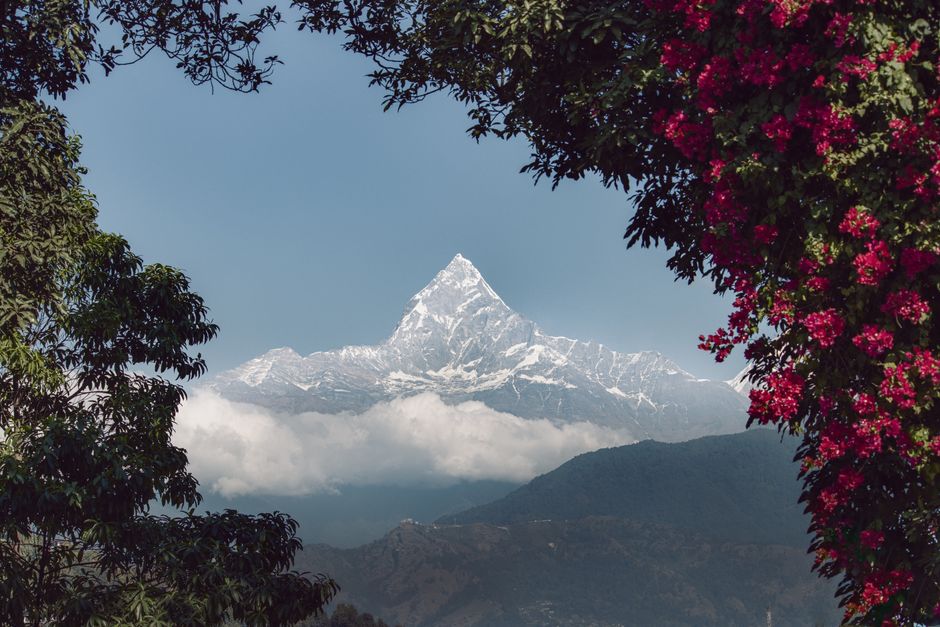
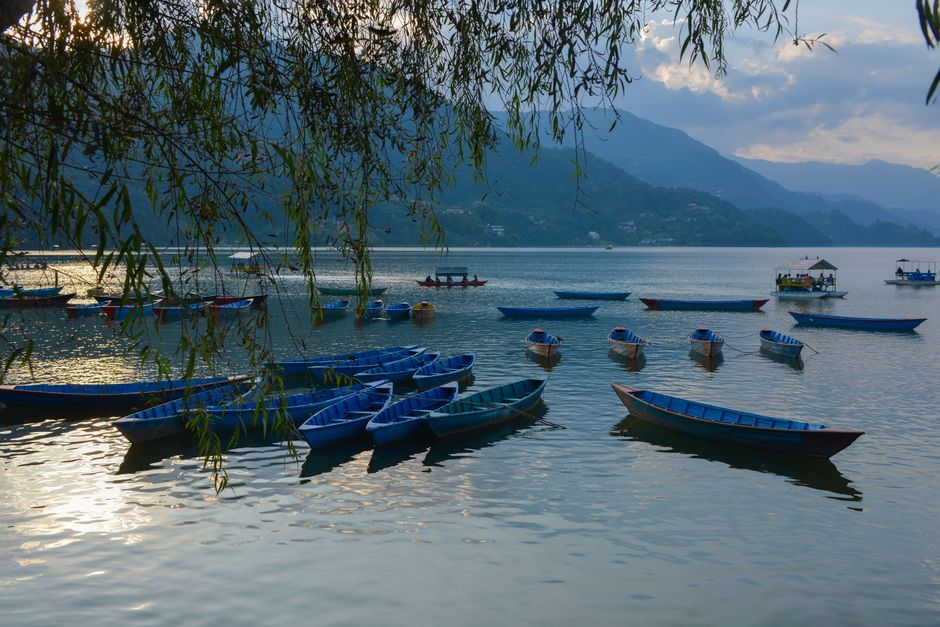
Carved by mountain runoff beneath the Annapurna massif, Phewa Lake owes its modern contour to the 1961 Pardi Dam, though its cultural heart beats centuries deeper. At its center, resting upon a willow-fringed islet, sits the Tal Barahi Temple—an 18th-century two-tiered pagoda built in traditional Newari style with slate-roofed eaves, carved wooden struts, and a gilded copper pinnacle. Consecrated to the boar-headed manifestation of Goddess Durga, this sanctum historically drew Kaski royalty and Hindu pilgrims seeking divine protection through animal sacrifices. Along the shoreline of Baidam, a fleet of flat-bottomed wooden *doongas*, boldly lacquered in vermilion, turquoise, and canary yellow, bobs against the stone slips. Gliding away from the embankment at sunrise, the early mist peels back to reveal Pokhara’s defining spectacle: the razor-sharp reflection of Machhapuchhre’s double-cleft summit inverted across the jade-tinted water. The rhythmic creak of hand-carved oars and the distant ring of brass temple bells punctuate the morning stillness as the smell of burning juniper and butter lamps drifts from the island shrine. To the south, the sheer emerald wall of the Raniban forest climbs toward the ridge, while a cool breeze rolling off the high glaciers ripples the surface, dissolving the mirrored snowpeaks into shimmering geometric ribbons of light.