Pokhara
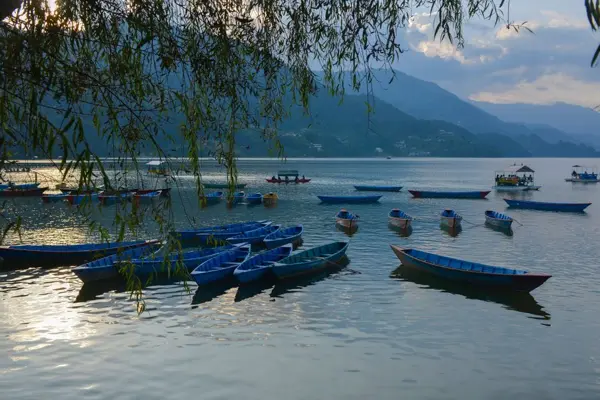
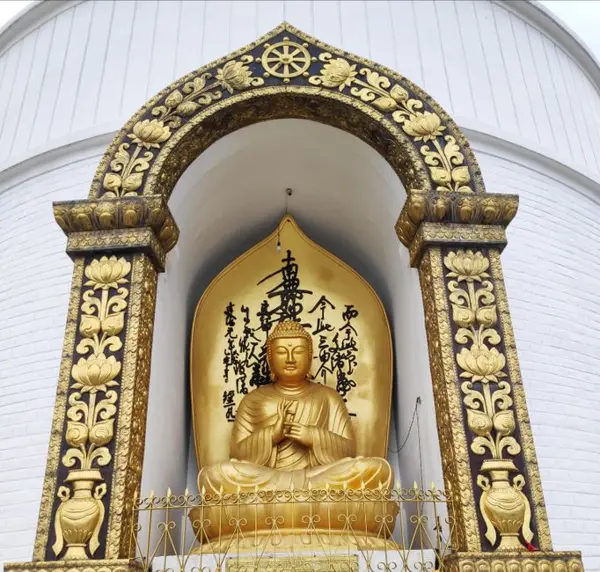
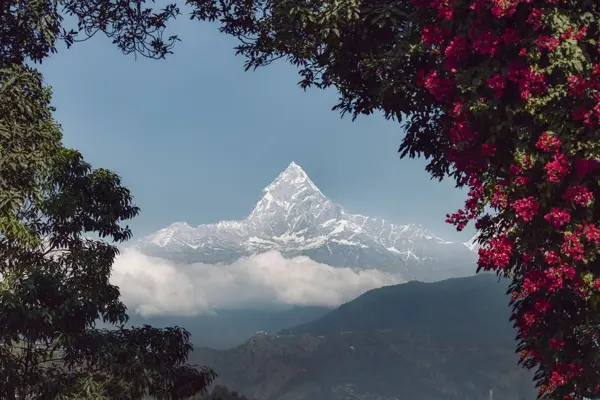
Nestled in central Nepal beneath the Annapurna massif and the distinct summit of Machhapuchhre, Pokhara stretches along the shores of Phewa Lake. Walking the lakeside avenue feels noticeably relaxed after Kathmandu. Painted wooden boats, or doongas, drift across the water, mirroring snowfields on clear mornings, while prayer flags rustle above street vendors, trekking outfitters, and open-air cafes. Long before hikers arrived, Pokhara served as a vital hub on the trans-Himalayan trade route linking Tibet and India. King Prithvi Narayan Shah annexed the valley in the 1760s, bringing Newar merchants whose red-brick architecture still frames the old quarter of Purano Bazaar. Just north, the eighteenth-century Bindhyabasini Temple crowns a low hill where devotees bring marigolds to Durga. Across the water, the white World Peace Pagoda, completed by Buddhist monks in 1999, stands ridge-high above the rushing chasm of Davis Falls and the limestone cavern of Gupteshwor Mahadev Cave. Daily life centers around Thakali kitchens serving spiced buckwheat dhindo, lentil soup, and dried mountain goat. During the autumn harvest festival of Dashain, tall bamboo swings called ping appear across open clearings for village children and elders alike. October and November deliver the crispest mountain views once monsoon rains depart. To get around, rent a single-speed bicycle along the flat lakeside road, and hire a metered taxi for excursions up into the surrounding foothills.
Read more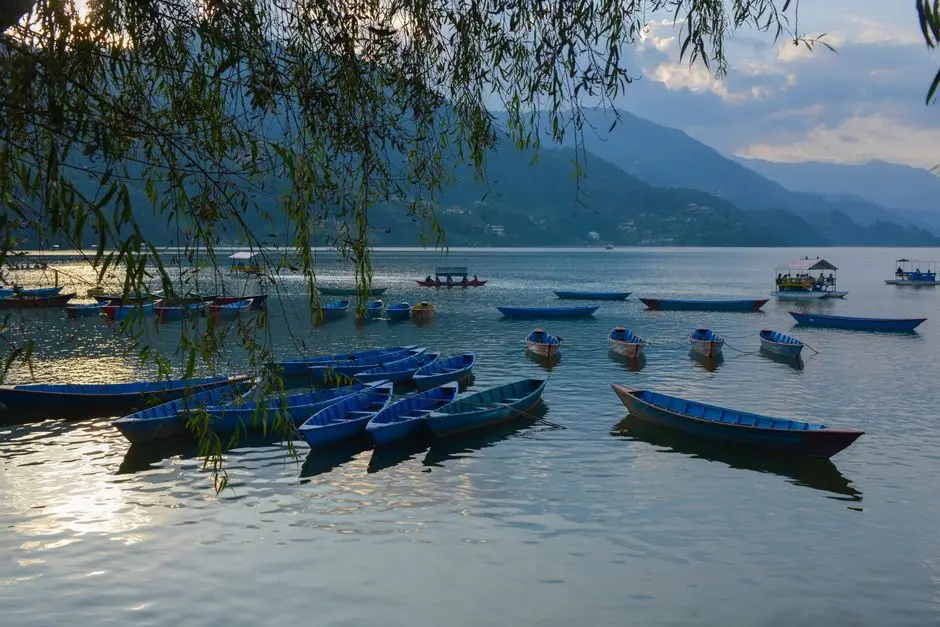
What's on in Pokhara
Nepal's biggest open-air street festival, featuring live musical performances, traditional cultural dances, local gastronomy, and New Year celebrations by Phewa Lake.
Official infoThe Gurung community rings in the New Year with traditional cultural dress, folk songs, archery, dancing, and monastery blessings.
Official infoEvents are collected automatically from the web. Dates can change, so please check the official information before you travel.