
 New added
1 / 2
Babur Gardens Kabul
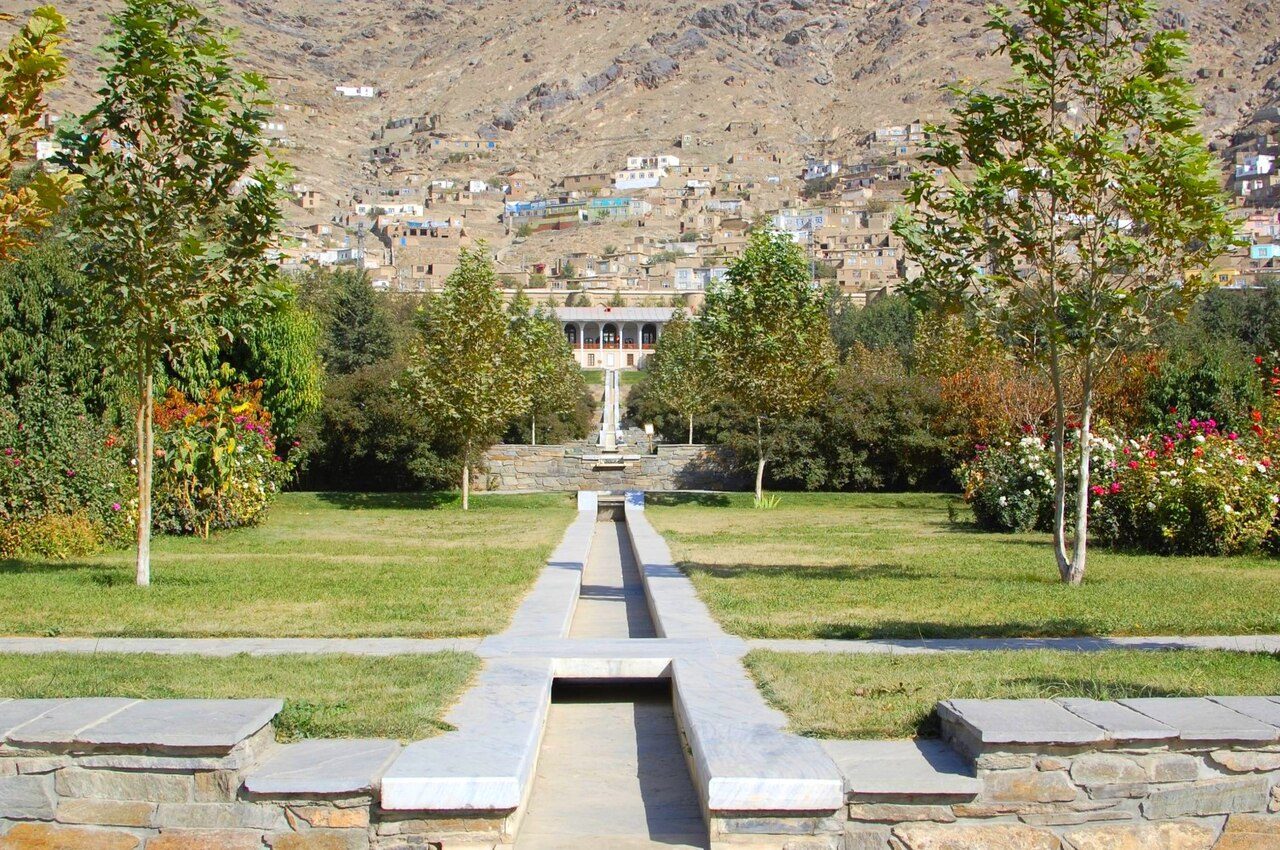
Laid out circa 1528 by Zahir al-Din Muhammad Babur, the founder of the Mughal Empire, Bagh-e Babur ascends fifteen cascading terraces up the craggy slopes of Kuh-e Sher Darwaza. Designed in the classical Persian *charbagh* (paradise garden) style, the sanctuary honors Babur’s dying wish to be interred beneath the open sky rather than inside a vaulted mausoleum. At the fourteenth terrace, travelers discover the emperor’s unadorned marble cenotaph, enclosed by delicate *jali* lattice screens that filter the harsh mountain sunlight. Nearby stands the luminous white marble mosque commissioned in 1647 by his great-great-grandson, Shah Jahan, featuring crisp cusped arches that gleam against the arid, ochre backdrop of the surrounding valley. Ascending the stone stairs alongside the restored central water axis, visitors are enveloped by the rush of alpine water flowing down stepped runnels and the earthy scent of blossoming sweet-brier roses. Broad canopies of centuries-old *chinar* (oriental plane) trees, wild cherries, and pomegranate groves cast cool, dappled shadows over lush lawns, insulating the grounds from the chaotic hum of Kabul below. Standing at the uppermost pavilion, the gaze sweeps downward across the terraces to the nineteenth-century Queen's Palace (*Haramserai*) and outward toward the jagged silhouette of the snow-dusted Hindu Kush—a timeless vantage where imperial ambition yields to contemplative stillness.
More in Kabul
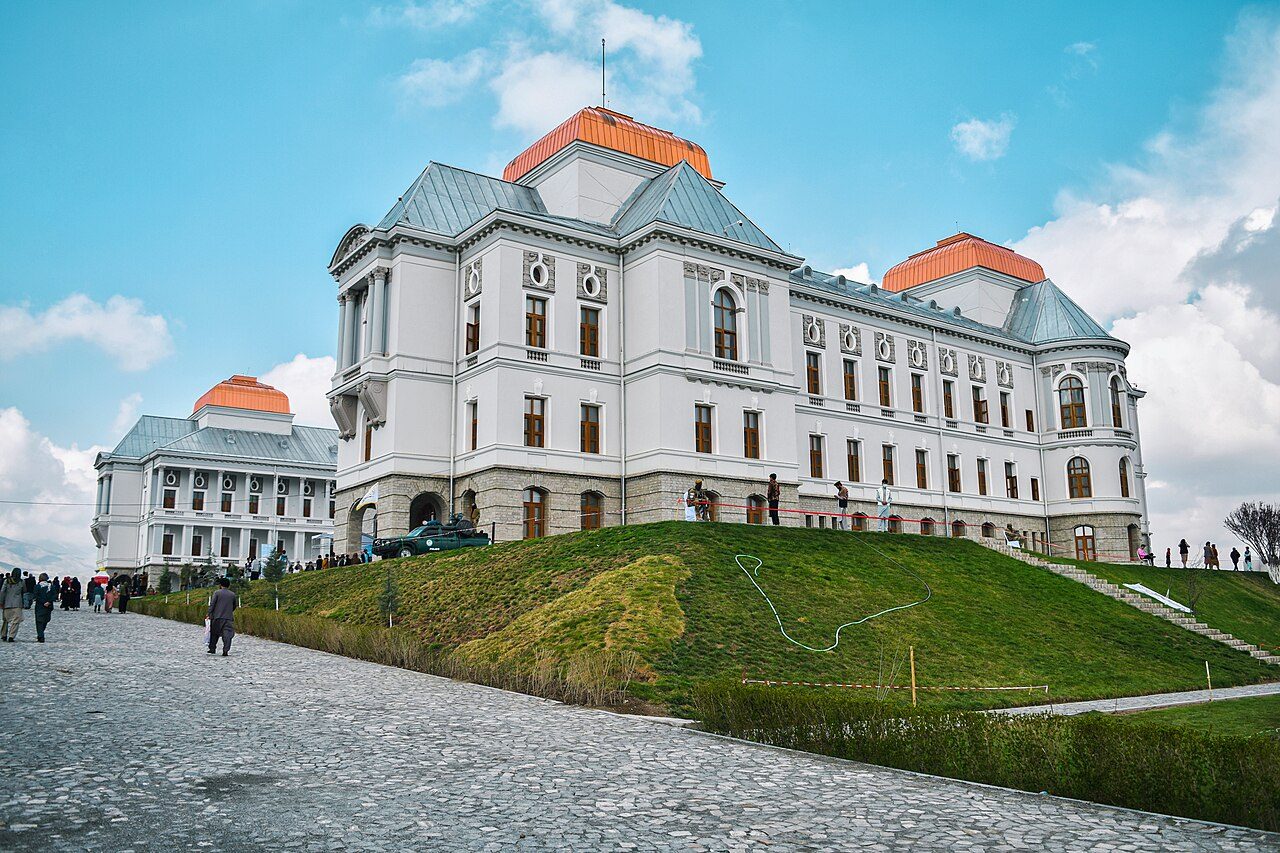
Photo credits (2)
- Jim Kelly, CC BY 2.0, via Wikimedia Commons
- Qasimmirzaie, CC BY 4.0, via Wikimedia Commons