
Kabul
High in eastern Afghanistan at nearly 1,800 meters, Kabul spreads across a high-altitude valley along the Kabul River, ringed by the rugged Asmai and Sher Darwaza mountains. The mountain air is dry and thin, scented with cedarwood smoke, cumin, and fresh flatbread from clay tandoors. Walking through the city, yellow taxis and wooden handcarts jostle past mud-brick homes stacked precariously up the rocky slopes, beneath sweeping lines of hillsides that catch the fading evening light. Fortified by the Mughal Emperor Babur when he captured the city in 1504, Kabul bears visible layers of imperial history and modern conflict. Babur rests in Bagh-e Babur, a terraced sixteenth-century garden of walnut trees, water channels, and marble pavilions. Above the valley rises the ancient citadel of Bala Hissar, a garrison site that withstood the First Anglo-Afghan War in 1842. Down in the old city, the narrow pedestrian passage of Ka Faroshi operates as a historic bird market filled with caged canaries and partridges, while the nearby Murad Khani quarter features restored nineteenth-century courtyards carved from Himalayan cedar. Street carts draw crowds with charred lamb skewers and steaming mounds of Kabuli pulao garnished with raisins and sweetened carrots. In spring, residents mark Nowruz by sharing haft mewa, a traditional compote made from seven soaked dried fruits and nuts. Autumn, from late September to November, brings clear skies and mild temperatures, making it the most comfortable season for a visit. To navigate the city safely and respectfully, hire a reliable private driver and vetted local guide rather than relying on public shared vans.
Read more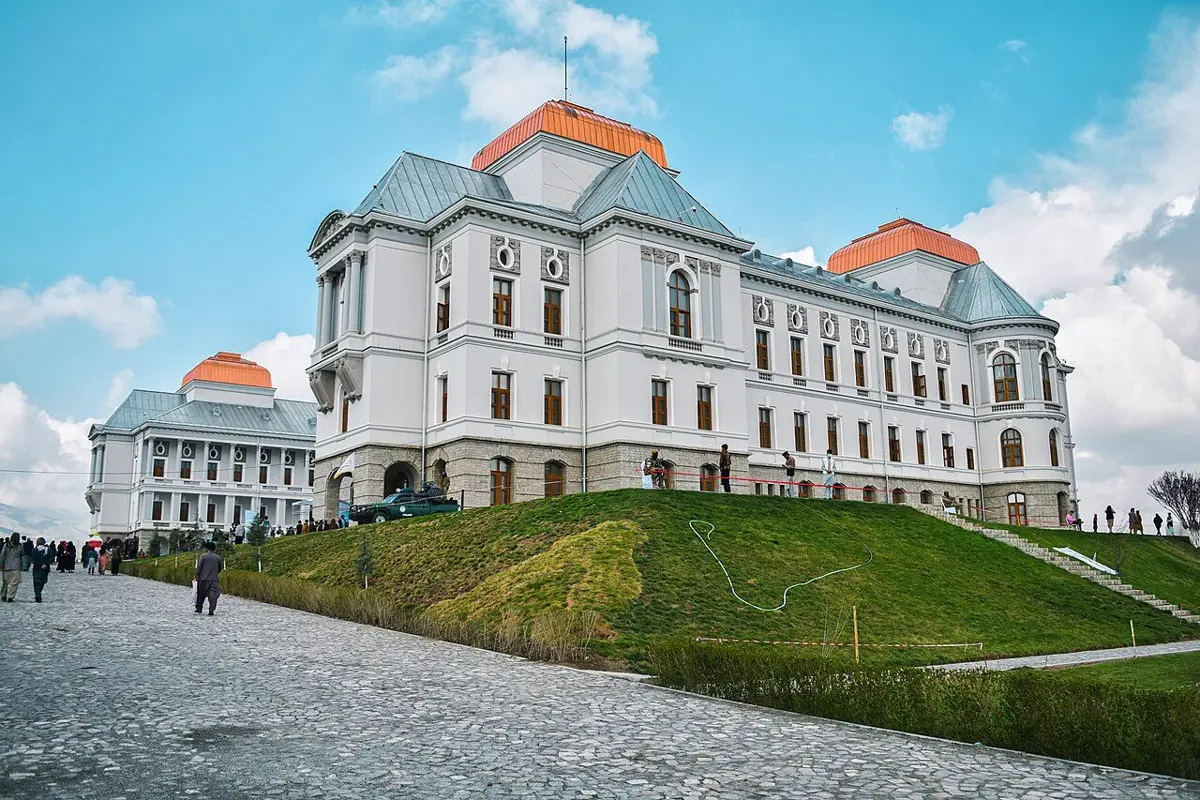
What's on in Kabul
International exhibition and conference showcasing construction machinery, building materials, and rehabilitation services, connecting Afghan and global industry leaders.
Official infoEvents are collected automatically from the web. Dates can change, so please check the official information before you travel.
What to see in Kabul
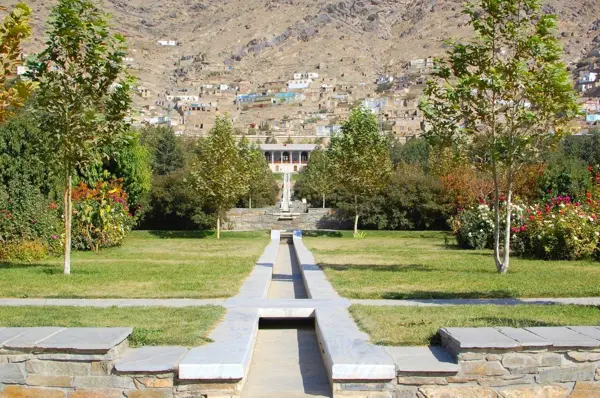
Photo credits (2)
- Qasimmirzaie, CC BY 4.0, via Wikimedia Commons
- Jim Kelly, CC BY 2.0, via Wikimedia Commons