
 New added
Grand Bazaar Tehran
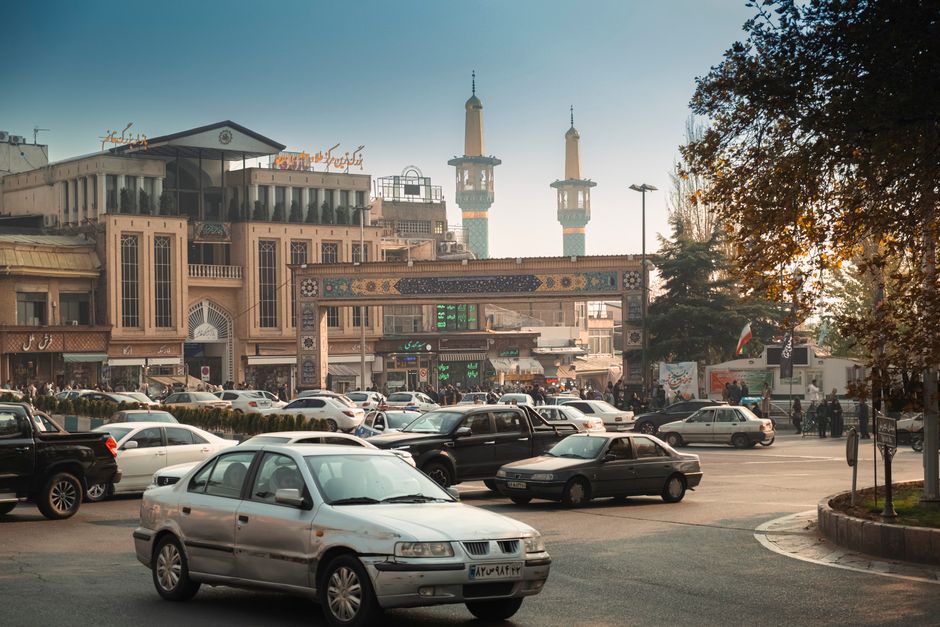
Spreading beneath a vaulted carapace of brickwork, Tehran’s Grand Bazaar expanded from modest Safavid foundations into a sprawling commercial titan under 19th-century Qajar monarchs, notably Nasir al-Din Shah. Historically serving as both Iran's economic heart and a crucible of political mobilization—pivotal in both the 1906 Constitutional Revolution and the 1979 Revolution—its architecture embodies traditional Persian urban planning. Over ten kilometers of labyrinthine alleys are segmented into specialized trade quarters, anchored by domed *chahar-souq* intersections and palatial multi-story arcades. The centerpiece, Timcheh-ye Hajeb al-Dowleh, reveals soaring vaults adorned with intricate geometric *muqarnas* plasterwork, glazed ceramic tiles, and natural light cascading through pierced dome oculi. Entering from Panzdah-e Khordad Avenue, travelers are immediately swallowed by a kinetic sensory barrage. Piercing shafts of sunlight cut through the ambient haze, illuminating suspended clouds of spice dust where open sacks brim with crimson Sargol saffron, whole nutmeg, and dried damask rosebuds. The acoustic landscape is relentless: the rhythmic ring of the coppersmiths’ hammers, the shouts of brawny *charkhi* (cart-pushers) navigating heavy wooden dollies through packed corridors, and the gentle snap of woven silk as merchants unfurl hand-knotted Persian carpets. Mingled aromas of charcoal-grilled koobideh kebab and brewed cardamom tea drift past glittering vitrines of beaten gold and turquoise, grounding the explorer inside a living, centuries-old engine of Iranian commerce.
More in Tehran
Photo credits (2)
- سید محمود جوادی, CC BY 3.0, via Wikimedia Commons
- Diba Tensile Architecture, CC BY-SA 4.0, via Wikimedia Commons