 New added
Magellan's Cross Cebu
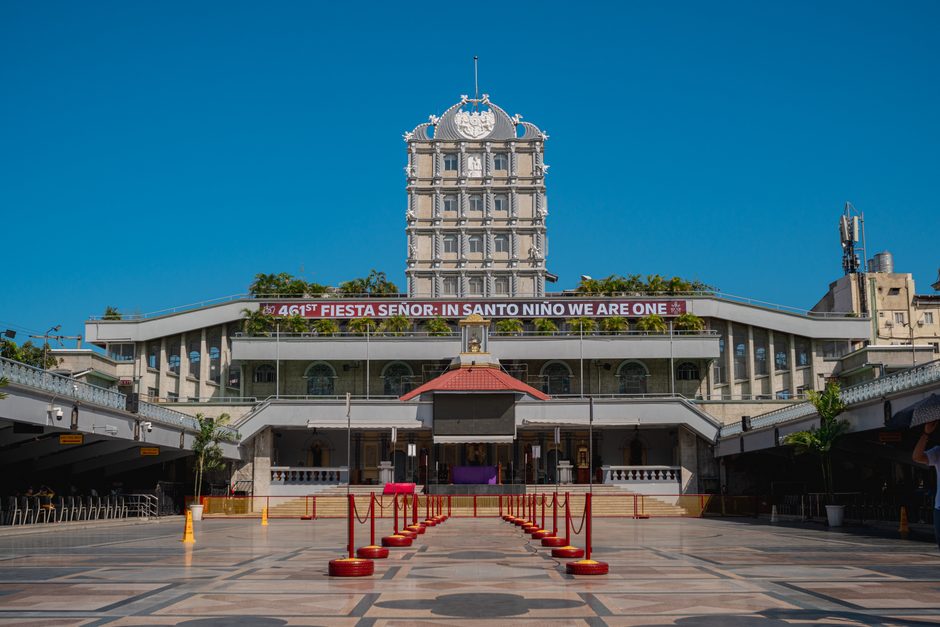
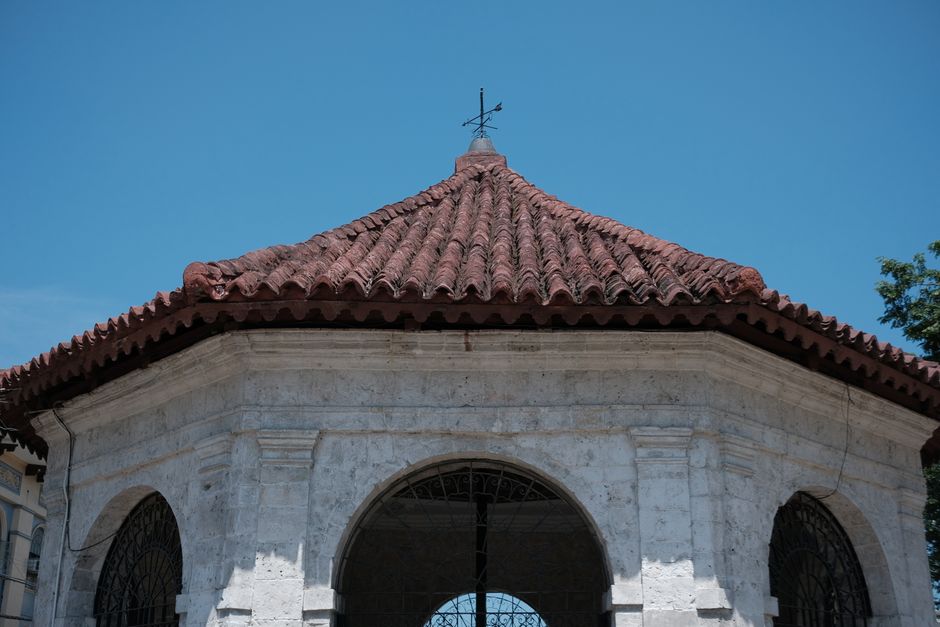
On April 21, 1521, Portuguese explorer Ferdinand Magellan planted a towering wooden crucifix into the soil of Cebu, sealing an alliance with Rajah Humabon and marking the baptism of the island’s rulers into Roman Catholicism. Today, remnants of that original timber are preserved inside a protective sheath of indigenous tindalo wood to prevent pilgrims from chipping away pieces as miraculous relics. This central crucifix rises from a circular plinth beneath an octagonal stone chapel built in 1834, crowned with a red terracotta-tiled roof. Tilting your head upward reveals a vibrant vaulted ceiling fresco painted in realism, detailing the pivotal baptism of Queen Juana and the sweat-streaked labor of Spanish sailors hoisting the timber upright on Cebu’s shore. Stepping beneath the pavilion’s arched openings from the sunlit plaza flanking the Basilica Minore del Santo Niño, visitors are enveloped by the warm, honeyed scent of melting beeswax. Here, local women known as *mamaligyaay*, dressed in bright red and yellow garments, offer bundles of unlit candles. Upon request, they perform the *sinug*—a centuries-old ritual dance of rhythmic swaying and whispered petitions chanted on the traveler’s behalf—before laying the colored tapers at the pedestal. Standing amidst the flickering warmth, the rustle of prayer cards, and the muted murmur of city traffic drifting through the balustrades, one encounters a rare synthesis of ancient Austronesian animist devotion and Iberian Catholicism that continues to define Filipino faith.