Cebu
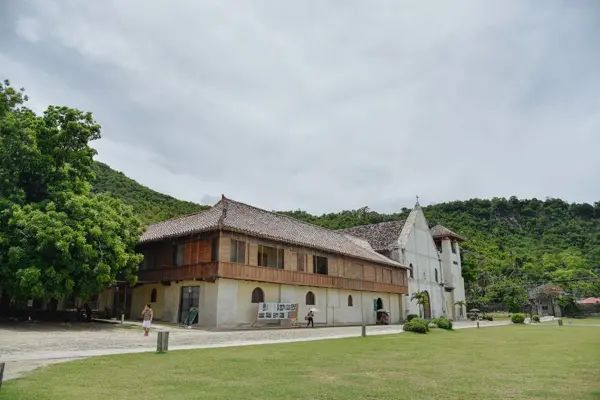
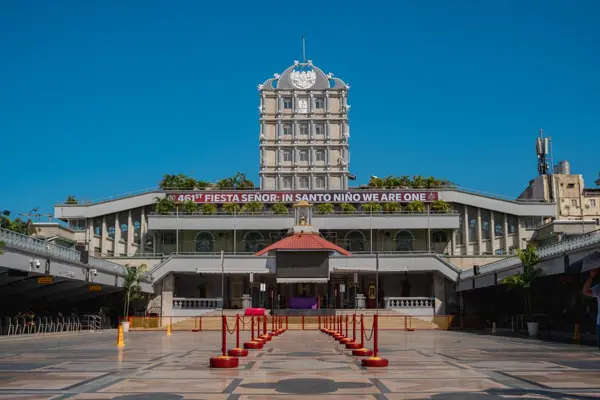
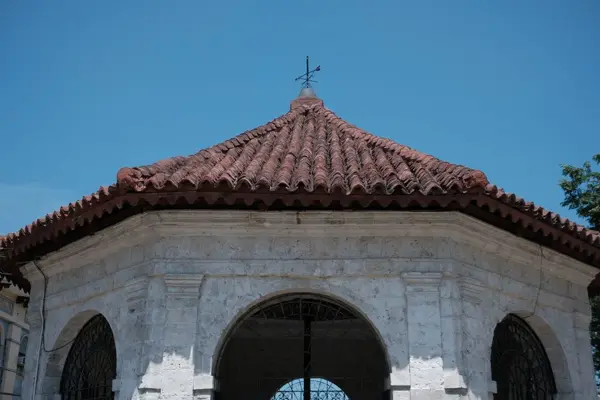
Cebu sits along a narrow eastern coastal plain of the Central Visayas, wedged between the blue waters of the Mactan Channel and a rugged interior mountain range. Moving through the city means stepping into a constant, kinetic pulse: open-sided jeepneys rumble along crowded thoroughfares, church bells compete with street vendors hawking salted snacks, and the heavy tropical heat is occasionally tempered by a salty breeze blowing off the harbor. As the oldest Spanish settlement in the country, established by Miguel López de Legazpi in 1565, the city holds centuries of layered history within a few square miles. The Basilica Minore del Santo Niño draws steady crowds of pilgrims praying before a Flemish statuette brought by Ferdinand Magellan in 1521. A short walk away stands Fort San Pedro, a triangular stone redoubt dating from 1738, while the historic Parian quarter showcases 17th-century wood-and-coral residences like the Yap-Sandiego Ancestral House, where antique religious carvings rest beneath heavy timber beams. Daily life thrives around Carbon Market, a sprawling labyrinth of fruit stalls, woven baskets, and dried fish. Streetfront eateries slice portions of Cebu lechon, whole roast pig stuffed with lemongrass and garlic, known for its brittle, glassy skin. Every third Sunday of January, the city shuts down for the Sinulog Festival, an energetic celebration of drumbeats and rhythmic forward-backward dancing. For the clearest weather, plan your trip between December and May, and use ride-hailing apps or metered taxis to navigate downtown without battling the intense midday heat.
Read more
What's on in Cebu
Cebu's grandest cultural and religious festival celebrating Santo Niño with elaborate street dancing competitions, ritual prayers, and vibrant parades.
Official infoEvents are collected automatically from the web. Dates can change, so please check the official information before you travel.