 New added
Intramuros Manila
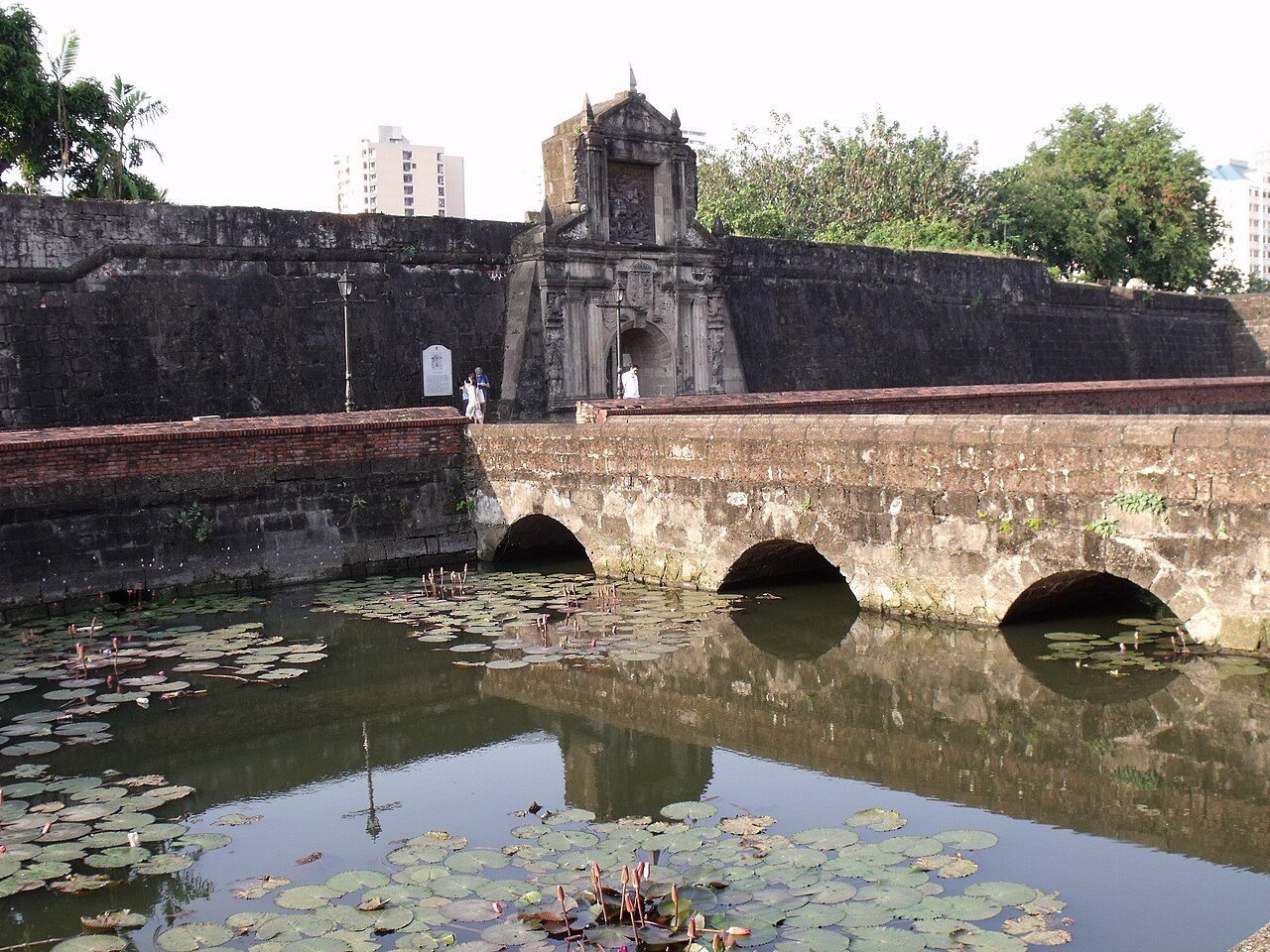
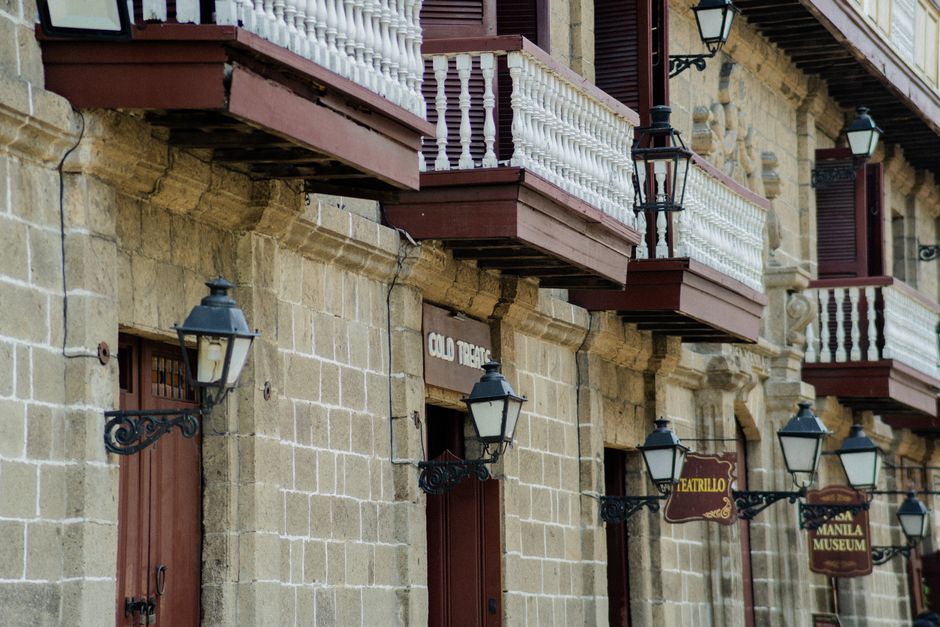
Established in 1571 by Conquistador Miguel López de Legazpi atop a razed Tagalog settlement, Intramuros served as the fortified seat of the Spanish East Indies for over three centuries. Within its 64-hectare perimeter, military engineers erected massive ramparts of volcanic tuff (*adobe*) and coral stone, anchored by formidable bastions like the circular Baluarte de San Diego. Though intense artillery shelling during the 1945 Battle of Manila pulverized dozens of colonial churches and palatial homes, the district’s crown jewel survived: the UNESCO-inscribed San Agustin Church. Completed in 1607, this triumph of Earthquake Baroque architecture houses hand-carved molave choir stalls and intricate *trompe-l'œil* ceiling murals painted by Italian artists Cesare Alberoni and Giovanni Dibella. Wandering the sun-baked grid reveals a tactile collision of Spanish antiquity and lush tropical endurance. The sharp clatter of horse-drawn *calesa* hooves reverberates off moss-stained stone walls lined with fiery bougainvillea and frangipani trees. At Fort Santiago’s northern citadel, visitors trace the poignant bronze footprints embedded in the flagstones—a solemn path marking the final walk of national hero Dr. José Rizal before his execution in 1896. Leaning over the gun embrasures atop the outer curtain walls, one looks past ancient Spanish cannons toward the cargo barges of the Pasig River, enveloped in the humid Manila breeze and the palpable weight of imperial history.