Manila
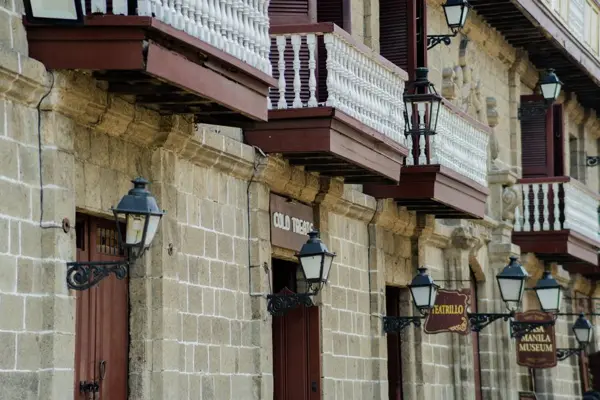
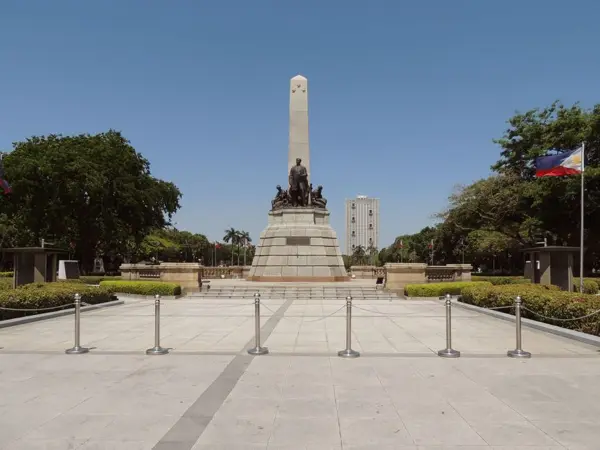
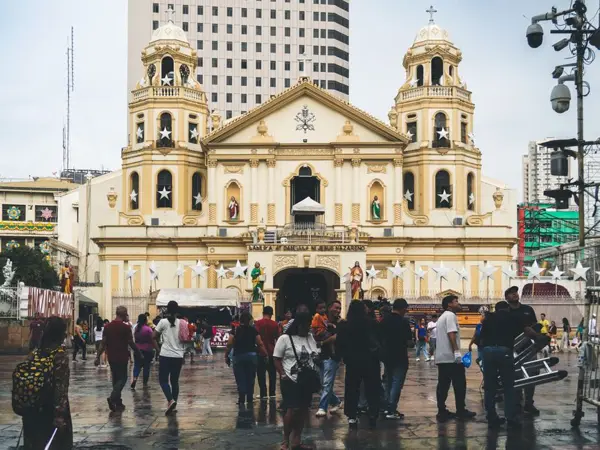
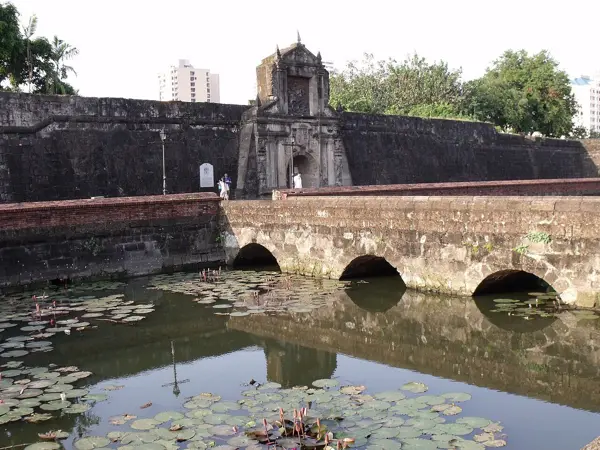
Manila rests along the eastern shore of Manila Bay on the island of Luzon, bisected by the Pasig River. Moving through the city is a visceral encounter with sound and heat: the diesel rattle of stainless-steel jeepneys, salt air drifting from the harbor, and thick tropical humidity broken by shaded courtyards and overhead rail lines. Spanish commander Miguel López de Legazpi established the colonial capital here in 1571 over an earlier Tagalog settlement. Within the massive stone bastions of Intramuros sits San Agustin Church, completed in 1607 and notable for surviving the fierce 1945 Battle of Manila. North across the water, Binondo dates to 1594 as the oldest Chinatown in the world, marked by tight alleys packed with tea houses and dim sum joints. Just south of the walls, open-lawned Rizal Park commemorates the 1896 execution of national hero José Rizal. Everyday commerce converges around Quiapo Market, where vendors sell fresh calamansi limes, warm lumpia, and brass amulets around the district church. Every January, the surrounding avenues choke with millions of barefoot devotees during the raucous Feast of the Black Nazarene procession. Plan your stay during the cooler dry months from December to February, and rely on the elevated LRT trains to navigate the dense urban core rather than sitting in midday gridlock.
Read more
What's on in Manila
One of the world's largest Catholic processions, drawing millions of devotees escorting the 17th-century Black Nazarene statue to Quiapo Church.
Official infoEvents are collected automatically from the web. Dates can change, so please check the official information before you travel.