 New added
Sidi Bou Said Village
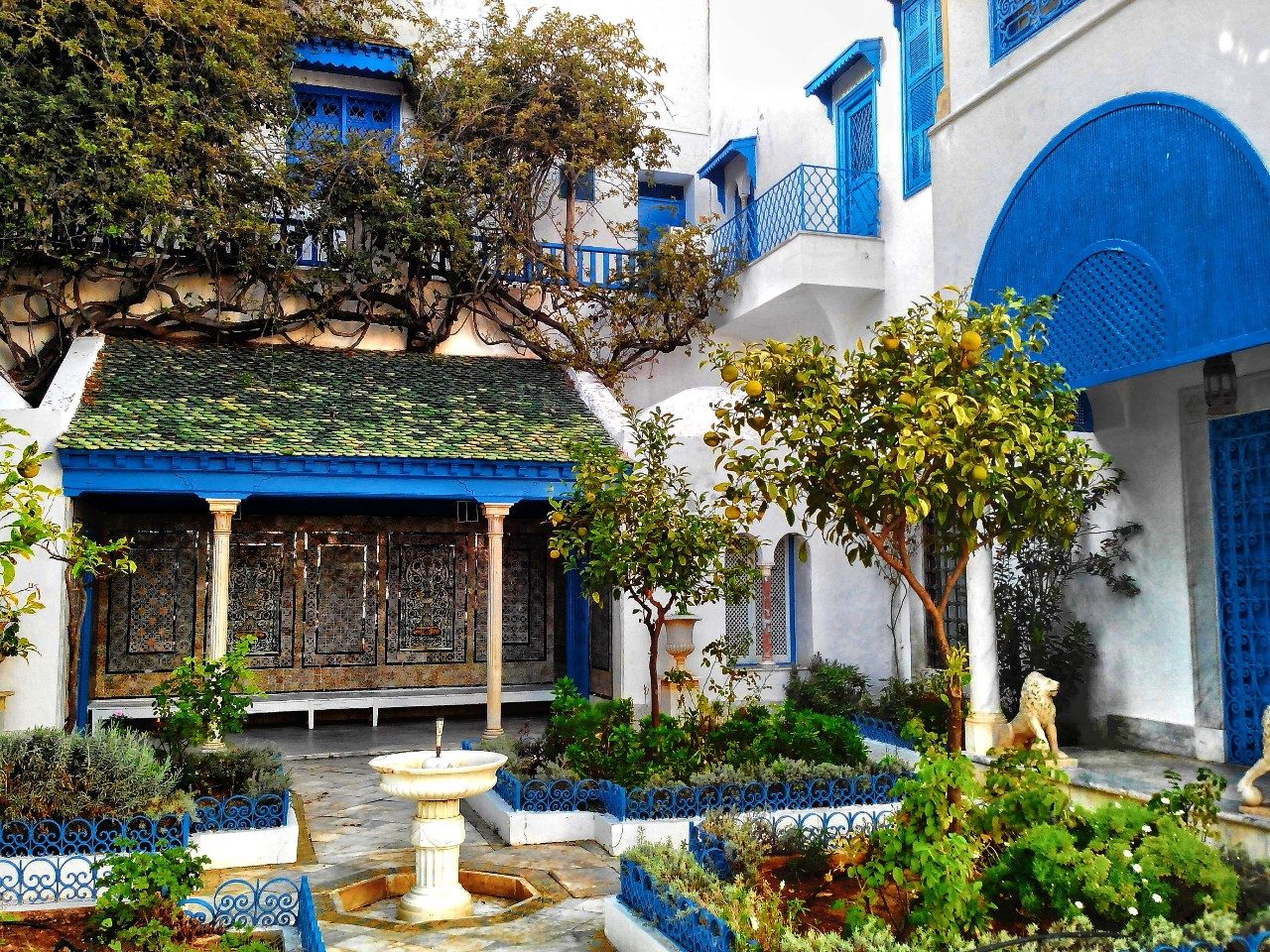
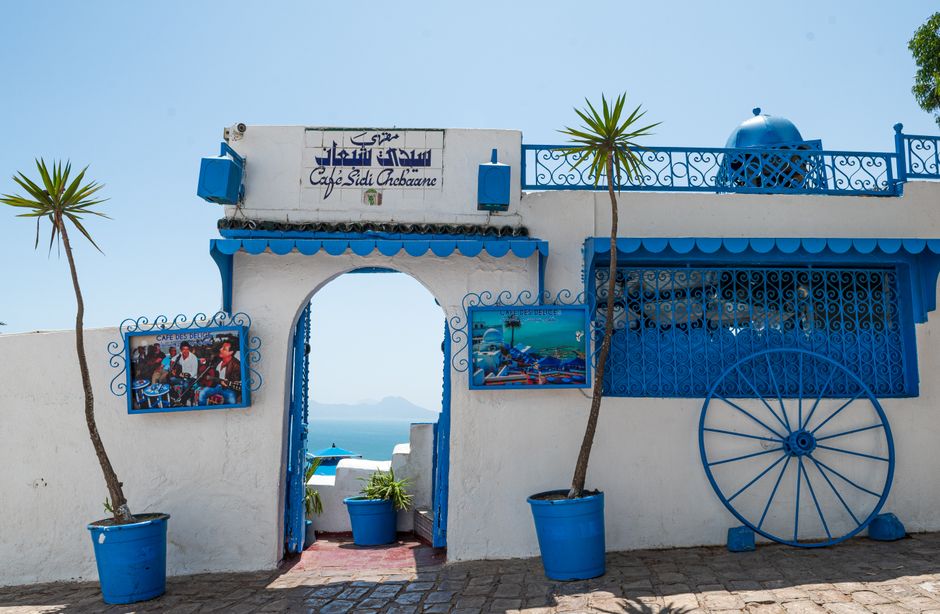
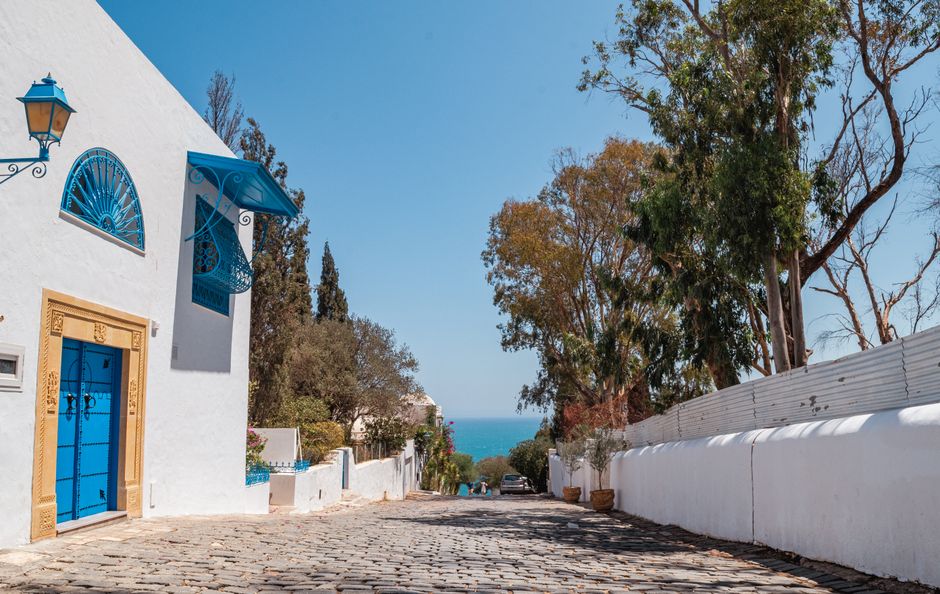
Perched atop a jagged promontory above the Gulf of Tunis, this cliffside sanctuary originated in 1207 when the Sufi mystic Abu Said al-Baji established a hilltop hermitage here. The village's signature aesthetic crystallized in the 1920s under the influence of French-British musicologist Baron Rodolphe d’Erlanger, whose neo-Moorish palace, Ennejma Ezzahra, inspired an official decree mandating the town’s strict chromatic palette. Navigating these steep lanes reveals a refined Andalusian-Arab architectural synthesis: blinding chalk-white lime-washed facades set against brilliant cyan shutters, heavy cedar doors studded with black-iron crescent motifs, and cantilevered *mashrabiya* latticework screens that cast geometric shadows across the paving stones. Ascending the cobblestone spine of Rue Habib Thameur, the air carries a heady blend of coastal salt spray, flowering magenta bougainvillea, and the sweet almond scent of jasmine bouquets offered by local vendors. At the summit, patrons sit atop the woven rush mats of Café des Nattes—the historic coffeehouse immortalized in watercolor by Expressionist painter August Macke in 1914—to sip scalding green tea crowned with floating pine nuts. From these terraced perches, the whitewashed minarets and domed marabouts drop precipitously into the Mediterranean, yielding an unbroken panorama across the ancient Gulf of Carthage toward the twin limestone peaks of Djebel Boukornine.