Notre Dame d'Afrique
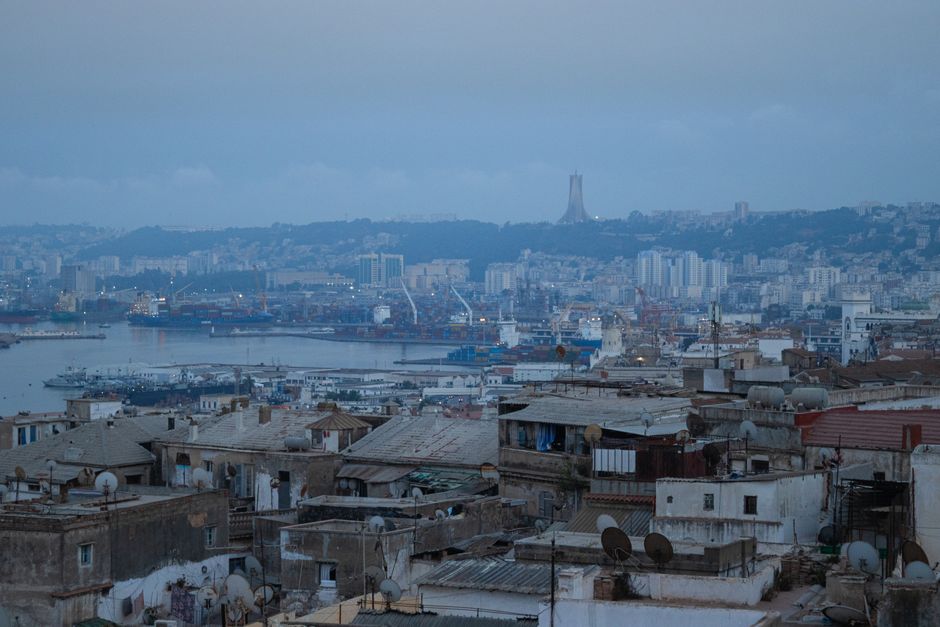
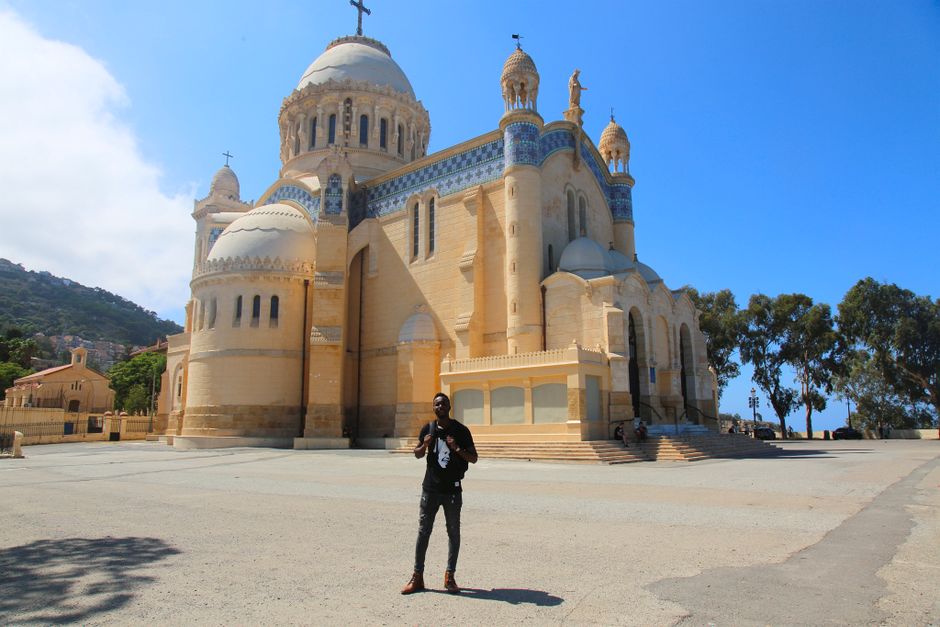
Perched atop a 124-meter cliff overlooking the sweeping Bay of Algiers, the basilica of Notre Dame d’Afrique commands the Mediterranean horizon like a vigilant sentinel. Consecrated in 1872 following fourteen years of construction directed by French architect Jean-Eugène Fromageau, this monumental sanctuary is a masterwork of Neo-Byzantine architecture. Conceived by Cardinal Charles Lavigerie as a maritime counterpart to Marseille’s Notre-Dame de la Garde across the water, the structure showcases alternating courses of ochre stone and intricate blue-and-white earthenware tilework. A towering silver-ribbed dome dominates the profile, flanked by an austere bell tower that punctuates the sky above the working-class quarter of Bab El Oued. Inside, the Mediterranean sun gives way to a shadowed, cavernous nave framed by rhythmic Romanesque-Byzantine arches and gold-flecked mosaics. At the apse, visitors confront the basilica’s defining spiritual and cultural centerpiece: the bronze statue of the Black Madonna, elevated beneath a vaulted canopy. Encircling the choir wall is a remarkably singular inscription: *“Notre Dame d'Afrique priez pour nous et pour les Musulmans”* (“Our Lady of Africa, pray for us and for the Muslims”). Standing on the tiled floor amid wafting incense, travelers experience a rare sanctuary of interfaith reverence, where the quiet murmur of prayer blends with the distant rumble of the coastal shipping lanes below.