
 New added
Casbah of Algiers
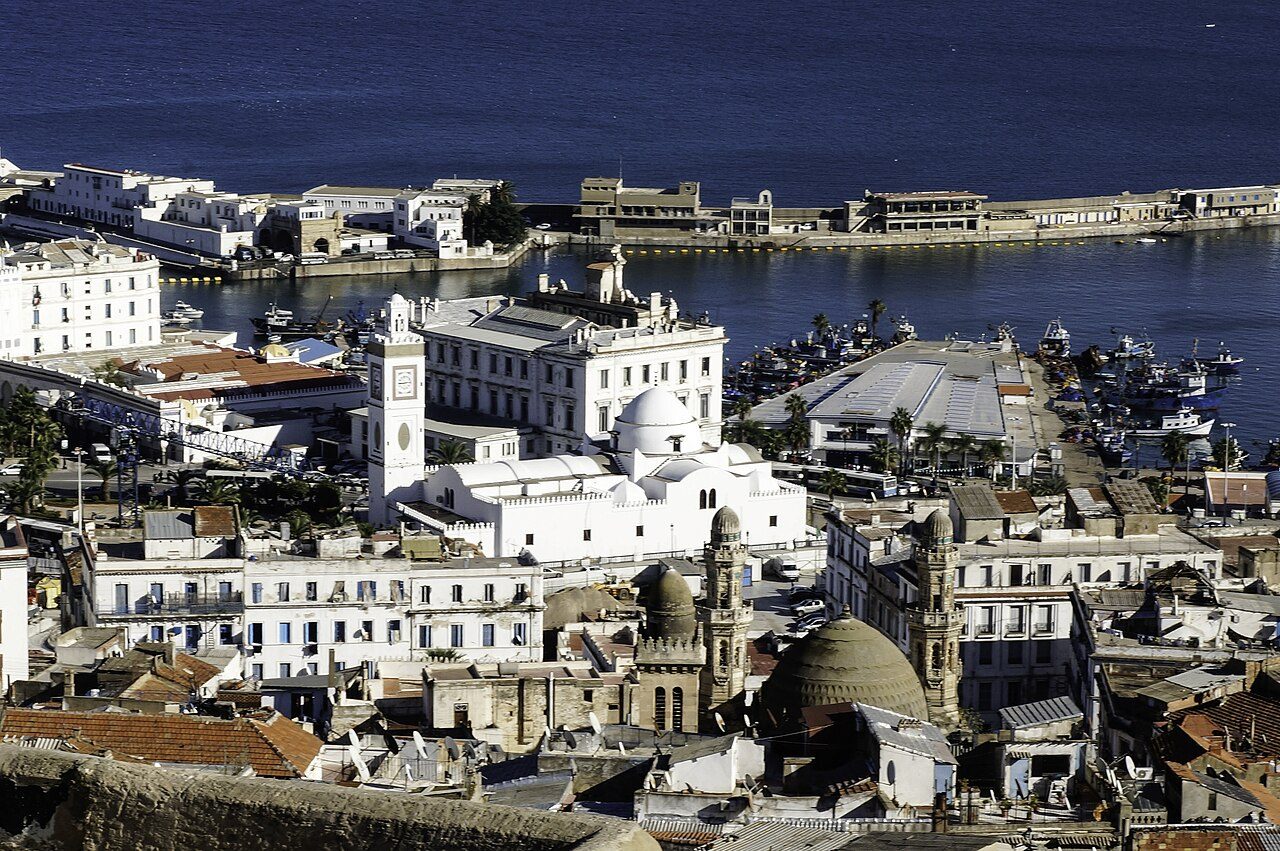
Cascading steeply toward the Bay of Algiers, this UNESCO-inscribed 16th-century medina preserves the layered soul of an Ottoman regency built over ancient Berber and Phoenician foundations. Fortified under the corsair brothers Aruj and Hayreddin Barbarossa in the 1510s, the quarter later served as the clandestine crucible of the Algerian War of Independence, where National Liberation Front fighters like Ali La Pointe navigated subterranean bolt-holes during the fierce 1957 Battle of Algiers. Architecturally, the hillside forms a dense marvel of Islamic urbanism, characterized by whitewashed masonry, inclined cedarwood beams propping up cantilevered upper floors, and grand palaces like the 16th-century Dar Aziza, famous for its arcaded central courtyard, scalloped marble pillars, and vibrant Andalusian zellige tilework. Navigating the Casbah demands surrendering to a disorienting web of stepped alleys too narrow for vehicles, where towering houses lean inward until their eaves nearly touch overhead. Cool shadows break unexpectedly at sharp corners to reveal blinding vistas of the cobalt Mediterranean below. The sensory immersion is immediate: the tang of sea salt mingles with the aroma of dried jasmine, damp tufa stone, and sawdust drifting from subterranean woodturning ateliers. Behind heavy, brass-studded cedar doors, travelers catch glimpses of sunlit interior courtyards centered around trickling fountains, before emerging into the lower quarter where the twin minarets of the Ketchaoua Mosque anchor this living citadel.
More in Algiers
Photo credits (3)
- Dan Sloan, CC BY-SA 2.0, via Wikimedia Commons
- Habib kaki, CC BY-SA 4.0, via Wikimedia Commons
- Poudou99, CC BY 3.0, via Wikimedia Commons