 New added
Suomenlinna Fortress
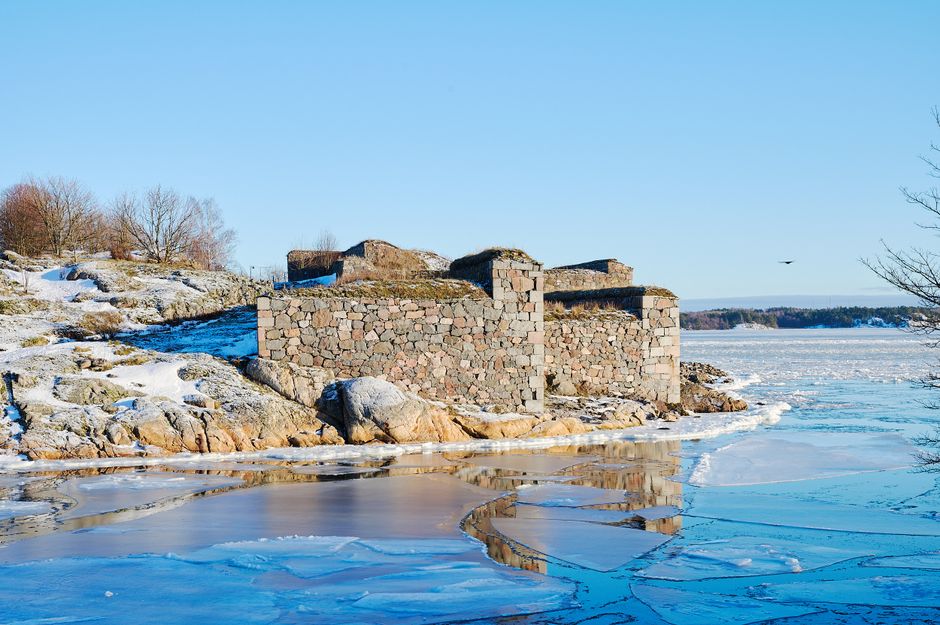
Conceived in 1748 under Swedish military architect Augustin Ehrensvärd, this maritime bastion—originally christened Sveaborg—rose across six rocky islands to counter Russian expansionism in the Baltic. An exceptional specimen of European military architecture adapting Vauban’s bastioned principles to jagged Nordic topography, the fortress integrates directly into the coastal bedrock. Formidable ramparts of pink Finnish granite and earthen redoubts shelter a subterranean labyrinth of barrel-vaulted casemates and unlit munitions corridors. At the southern sea approach stands the monumental King’s Gate, displaying classical symmetry through double-tiered sandstone facades and marble plaques that commemorate the spot where Swedish King Adolf Frederick anchored during construction. Wandering the wind-scoured perimeter reveals layered centuries of imperial conflict, spanning its 1808 surrender to the Russian Empire and its ultimate 1918 renaming as Suomenlinna following Finnish independence. Heavy nineteenth-century Russian coastal artillery pieces still train their iron barrels over the Gulf of Finland from the grassy slopes of Kustaanmiekka, their rusted mounts pitted by brackish spray. Visitors step from the damp chill of pitch-black tunnels into the brilliant glare of the open sound, where the neoclassical garrison church pierces the horizon—its high tower still functioning as a working nautical lighthouse. Between the cries of nesting sea birds and the churn of passing Baltic ferries, the raw sea wind brings a tangible sense of the garrison's historic isolation.