 New added
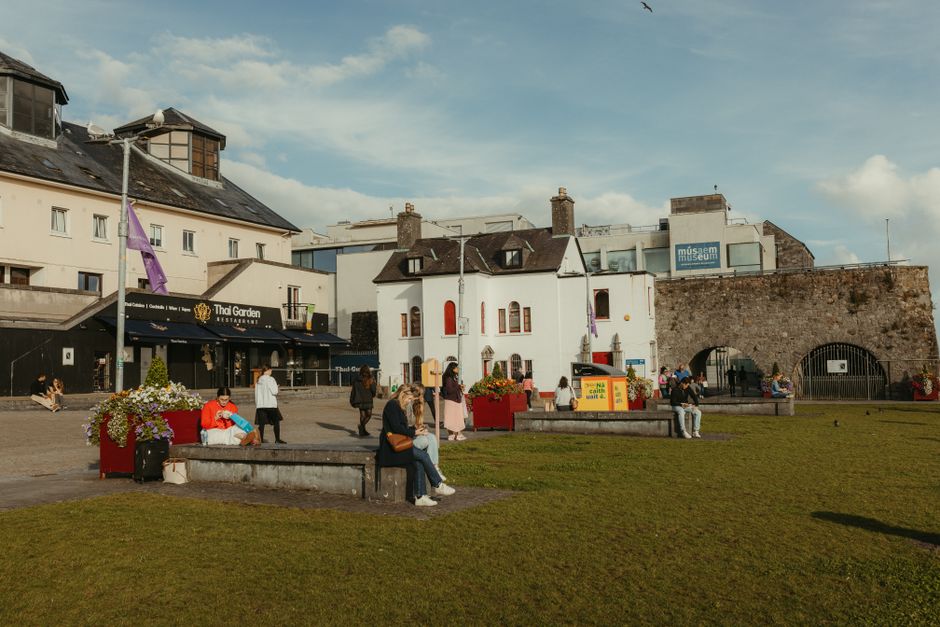
Spanish Arch Galway
Erected in 1584 as an extension of the medieval town ramparts known as *Ceann an Bhalla* (Head of the Wall), this weathered limestone bastion originally shielded the quays where Spanish merchant galleons unloaded casks of Rioja wine and olive oil. Constructed from rough-hewn, salt-pitted carboniferous limestone, the monument consists of two surviving low, barrel-vaulted arches that once supported defensive battlements along the River Corrib. The masonry still bears the scars of distant catastrophe; in 1755, a tsunami triggered by the Great Lisbon Earthquake surged across the Atlantic and into Galway Bay, permanently fracturing the adjacent defensive wall and reshaping the waterfront. Today, standing beneath the heavy curve of the remaining masonry, travelers are hit with the bracing Atlantic gale and the sharp tang of tidal kelp. Just paces away, the peat-dark Corrib races violently toward the open sea, churning white foam against the ancient stone slipways. The arch frames a picturesque vista across the harbor, where the candy-colored facades of the Long Walk meet the historic Claddagh basin. Swirling gulls, drifting mute swans, and the rhythmic acoustic strums of buskers clustered on the cobblestones bring an immediate, living energy to the centuries-old fortification.