 New added
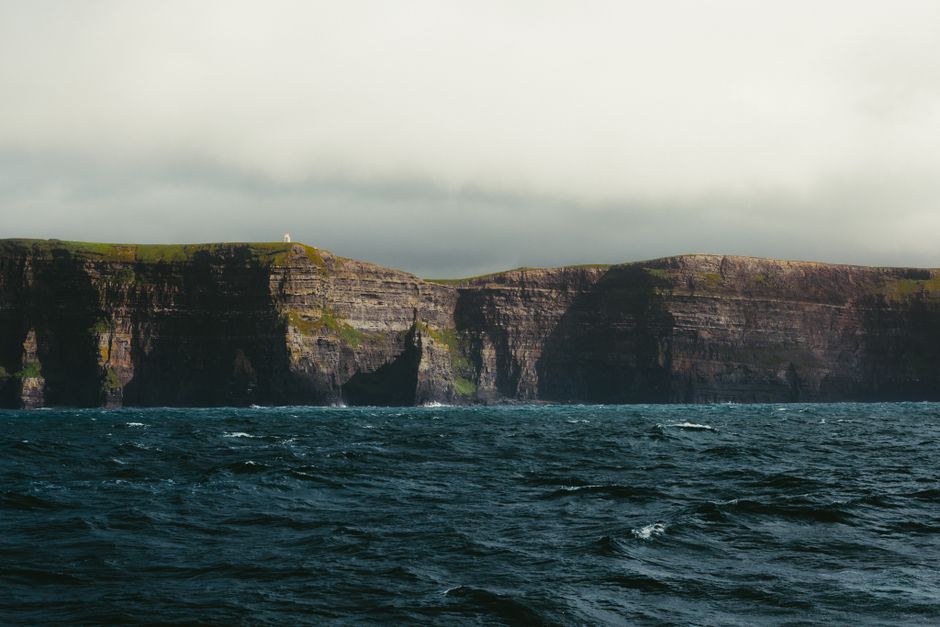
Cliffs of Moher
Carved from 320-million-year-old Namurian sandstone and shale, these vertical precipices plunge 214 meters into the Atlantic Ocean just south of Galway Bay. The landmark takes its name from *Mothar*, an ancient Celtic promontory fort leveled during the Napoleonic Wars in 1808 to supply stone for a coastal signal tower. Perched high on the headland stands O’Brien’s Tower, a crenellated Gothic Revival observation folly commissioned in 1835 by local landowner Sir Cornelius O’Brien to foster early Victorian tourism. Below the tower, the sea-sculpted pillar of Branaunmore rises 67 meters above the foam, anchoring a landscape where exposed geological strata band the dark cliffs in shades of rust, charcoal, and olive green. Travelers walking the narrow coastal path are struck by the relentless Atlantic gale, thick with sea salt and the deafening boom of surf hammering the submerged limestone shelf. The updrafts carry the cries of thousands of pelagic seabirds, with grassy clifftop ledges serving as spring nesting grounds for Atlantic puffins, razorbills, and fulmars. On days when maritime mist yields to sunlight, the view stretches northwest across the mouth of the bay, revealing the desolate limestone terraces of the Aran Islands and the distant, jagged silhouette of the Twelve Bens mountains rising across Connemara.