 New added
Belgrade Fortress
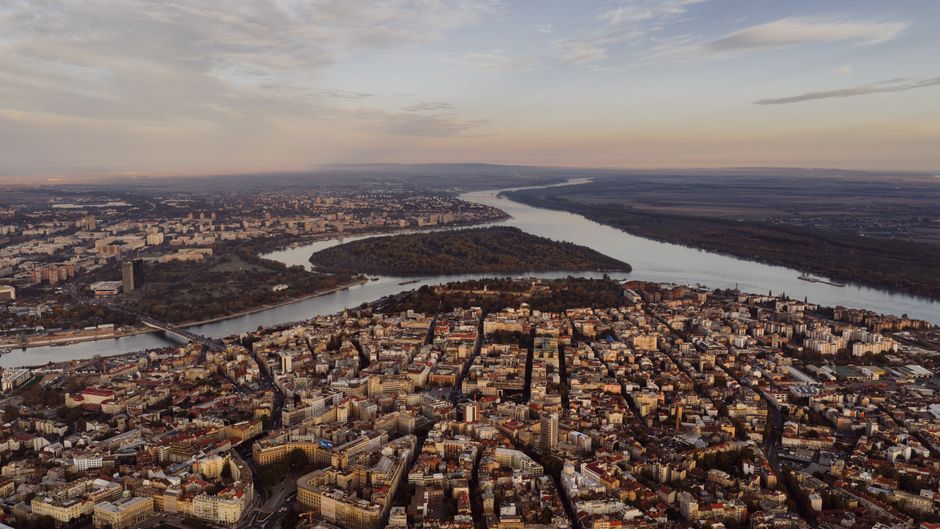
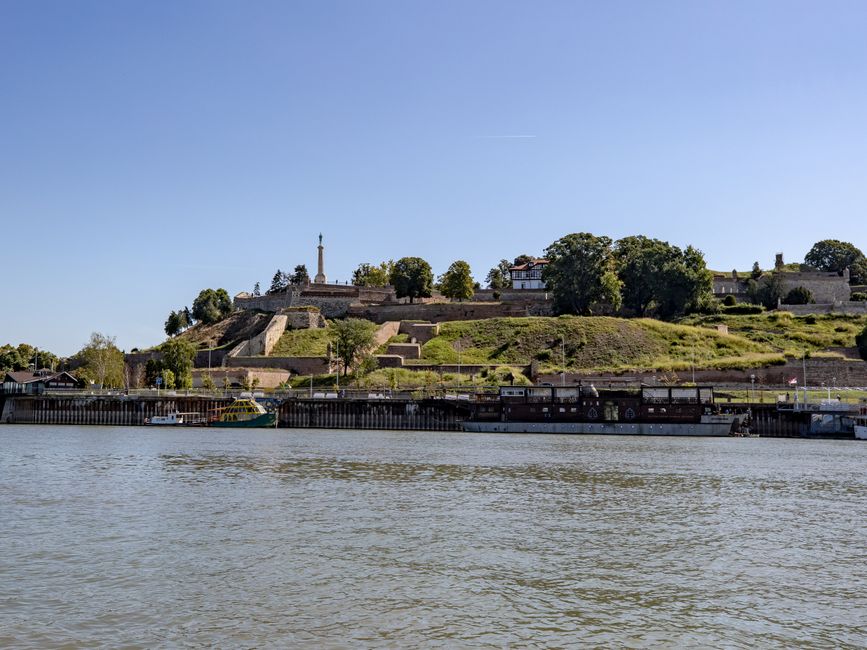
Perched upon a white limestone ridge above the confluence of the Sava and Danube rivers, this sprawling bastion preserves over two millennia of contested frontier history. Originating as the Celtic and Roman outpost of Singidunum, the fortress became a fortified medieval capital under Despot Stefan Lazarević in the early 15th century and famously withstood the 1456 Ottoman siege led by Mehmed the Conqueror. Centuries of bitter Habsburg-Ottoman warfare subsequently etched themselves into the stone. Visitors traverse this architectural collision between Austrian Baroque engineering—exemplified by the 18th-century Gates of Charles VI and Leopold—and Ottoman military design, characterized by the slender Sahat Kula (Clock Tower) and the imposing, twin-turreted 15th-century Zindan Gate. Standing on the Upper Town plateau, travelers encounter Ivan Meštrović’s iconic 1928 bronze *Pobednik* (The Victor) monument, its gaze fixed outward across the sweeping river junction toward the Pannonian Basin. The wind off the water carries the scent of river mud and pine as you trace the perimeter walls down to the Lower Town, where the octagonal Nebojša Tower once guarded the Danube harbor. Beneath the weathered ramparts, the mysterious, double-spiral staircase of the subterranean "Roman Well" plunges sixty meters into the rock, while above, evening casts long shadows across artillery-battered brickwork, offering an evocative vantage over the distant lights of New Belgrade.