Knez Mihailova Street
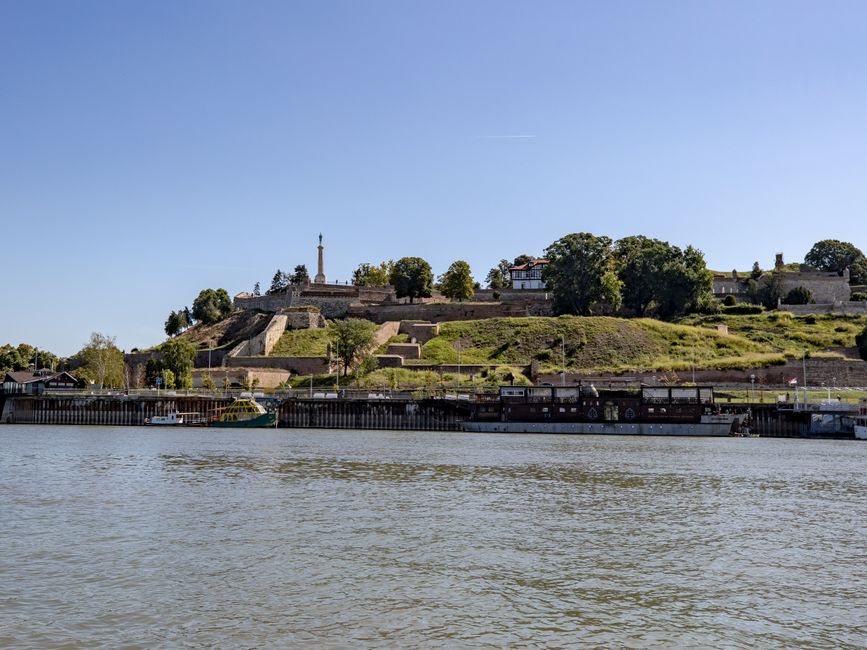
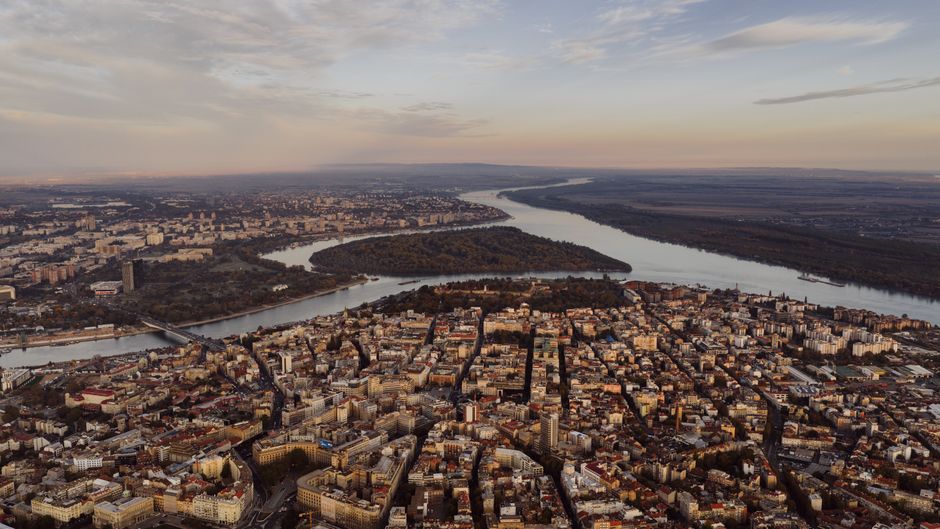
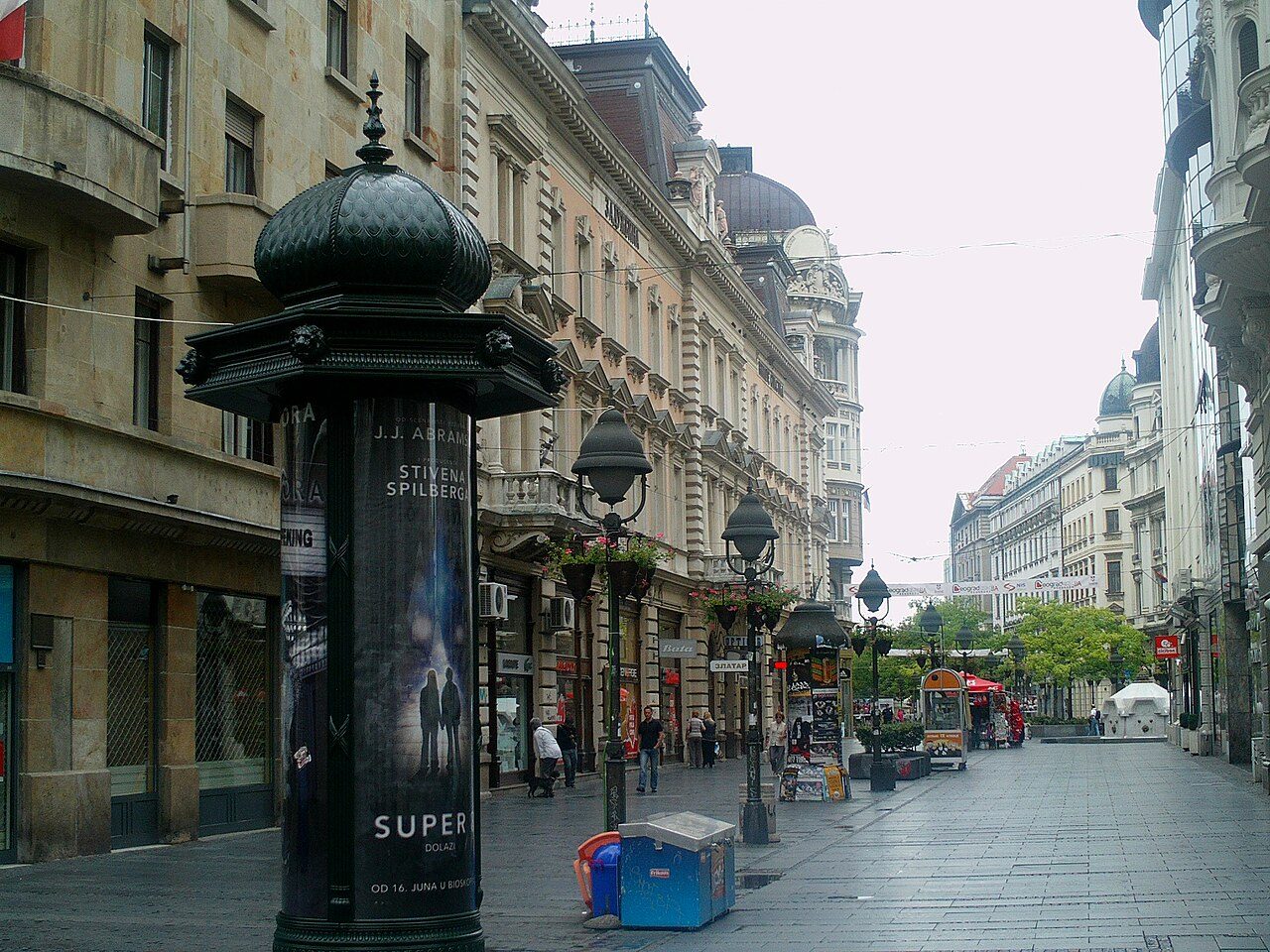
Tracing the ancient Roman axis of Singidunum, Knez Mihailova was formally codified in 1867 under Belgrade’s first comprehensive urban master plan, drafted by urbanist Emilijan Josimović. Named for Prince Mihailo Obrenović III, this grand artery served as the premier showcase for Serbia's post-Ottoman Europeanization, where the nation’s ascendant merchant elite commissioned lavish residences between the 1870s and the 1920s. Today, the street presents an unbroken gallery of late-nineteenth-century Historicism, Neo-Renaissance stone façades, and Vienna-inspired Secession ornamentation. Dominating the streetscape is the Serbian Academy of Sciences and Arts, completed in 1924, its central verdigris copper dome rising above elaborate French Art Nouveau friezes and bronze allegorical statues of Hermes and Nike. Paved in polished granite flags, the nearly kilometer-long promenade channels pedestrians from the open expanse of Republic Square directly to the ramparts of Kalemegdan Fortress. Flâneurs moving along the corridor are enveloped in an unmistakably Central European urban rhythm: the clink of porcelain cups from packed café terraces serving rich *domaća kafa*, the strains of buskers playing Balkan accordion melodies beneath wrought-iron balconies, and the seasonal aroma of roasting chestnuts drifting from pushcarts. Pausing by the red-stone Delijska Fountain or browsing the open-air stalls of antique booksellers, visitors experience Belgrade’s quintessential public salon, where century-old banking palaces and dynamic street life merge seamlessly into the city's living historical fabric.