 New added
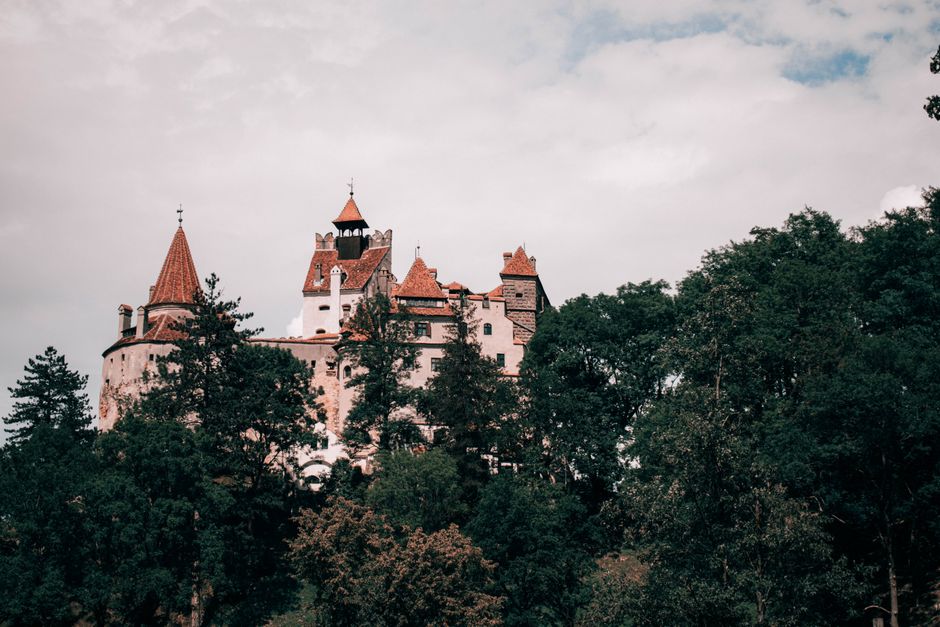
Bran Castle
Commissioned by the Saxon burghers of Brașov under a 1377 charter granted by King Louis I of Hungary, Bran Castle crowns a jagged 200-foot limestone crag guarding the historic Transylvanian border pass. While pop culture inextricably ties these battlements to Bram Stoker’s Dracula, the citadel's genuine heritage reflects centuries of anti-Ottoman defense and the romantic vision of Queen Marie of Romania, who converted the garrison into a royal summer retreat in the 1920s. Its asymmetrical silhouette bristles with red-shingled conical turrets and weather-worn stone ramparts, which wrap around a central half-timbered courtyard anchored by a deep fourteenth-century stone well. Within the fortress, visitors navigate a compact maze of fifty-seven vaulted chambers linked by winding timber galleries and a steep, clandestine stone staircase tunneled directly through the rock. The atmosphere balances austere medieval fortification with royal domesticity: thick whitewashed walls and heavy oak floorboards frame Queen Marie’s collection of Biedermeier furnishings, hand-carved Renaissance chests, and ornate glazed-tile hearths. Standing on the high wooden loggias, you can feel the brisk Carpathian draft cutting across the battlements and smell the damp pine forests below, gazing out over the mist-shrouded Rucăr-Bran gorge just as sentries did six centuries ago.