Brasov
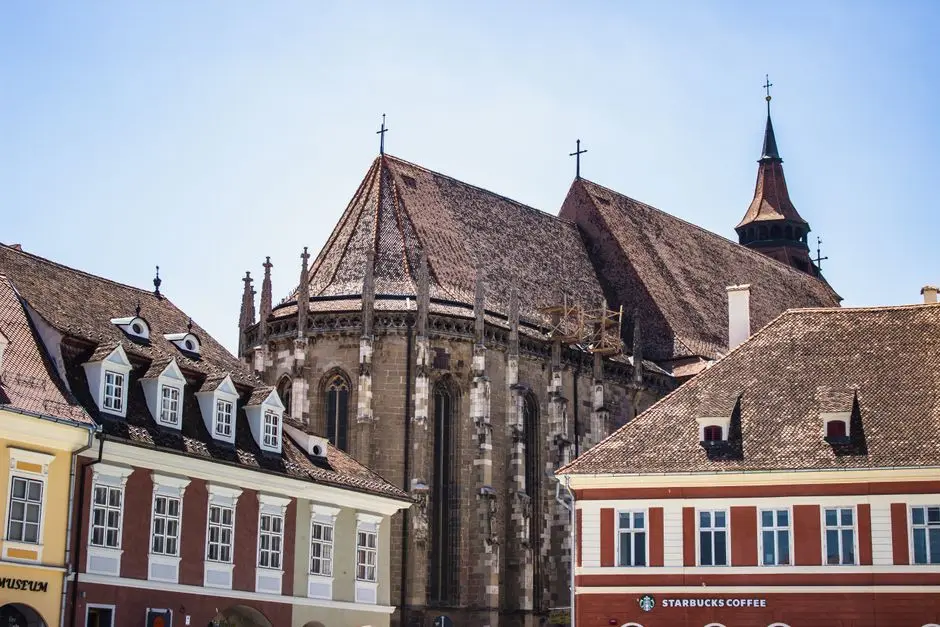
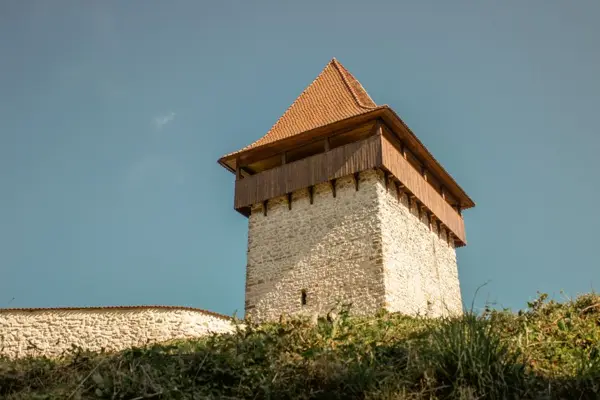
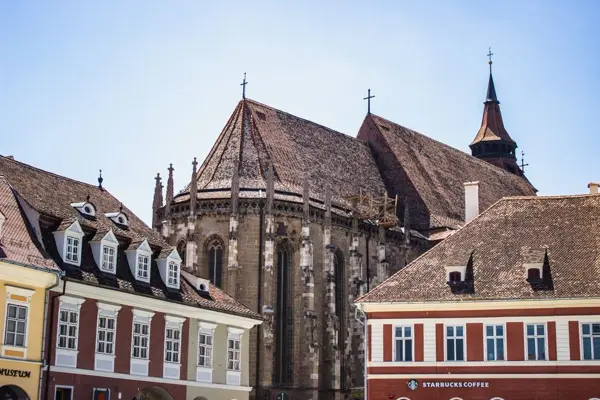
Framed by the dense beech and fir forests of the Southern Carpathians, Brașov sits in southeastern Transylvania beneath the steep ridge of Mount Tâmpa. Teutonic Knights laid its foundations in 1211, after which Saxon settlers transformed the outpost into the fortified trading town of Kronstadt. Walking its core means threading through narrow lanes paved in river stone, passing beneath medieval defensive watchtowers and pastel merchant houses. Piața Sfatului anchors the city with its arcaded council hall, while the neighboring Black Church, completed in 1477 and scorched by a fire in 1689, shelters a remarkable collection of Anatolian prayer rugs. West of the old Saxon walls lies Șchei, a hillside quarter of crooked alleys and walled cottages where ethnic Romanians historically lived outside the fortified center. Daily rhythms center on street corner bakeries selling hot covrigi and open-air stands turning sugar-crusted kürtőskalács over charcoal. In vaulted cellars, diners order bulz, roasted polenta layered with pungent sheep cheese. Each spring on the first Sunday after Easter, the Junii Brașovului festival brings costumed horsemen galloping over the cobblestones in an ancestral rite of passage. The historic district is compact and best navigated entirely on foot. September and October bring crisp mountain air and thinning crowds, while early morning is the finest time to walk the forested switchbacks up Mount Tâmpa before midday.
Read more