Zugdidi
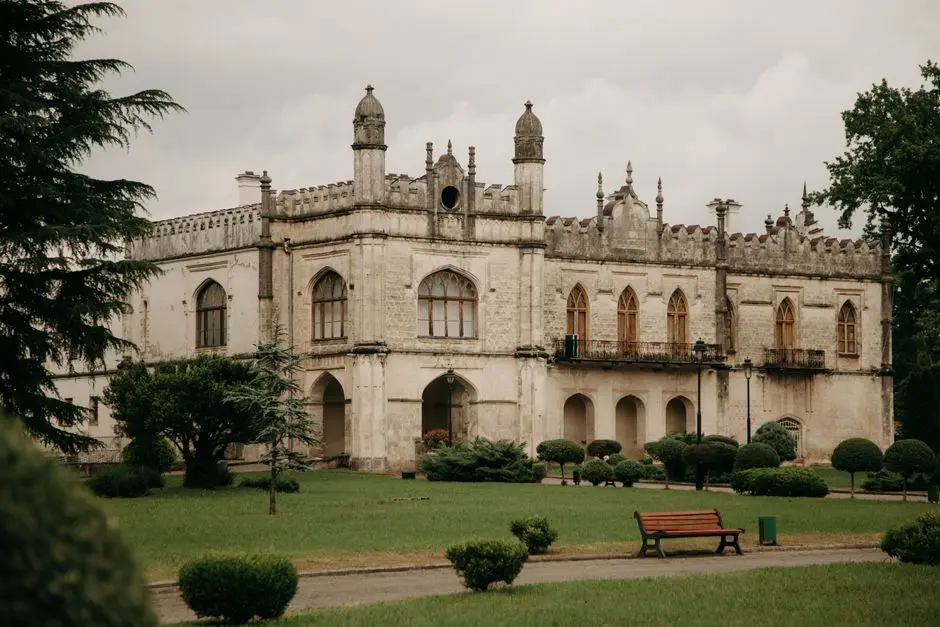
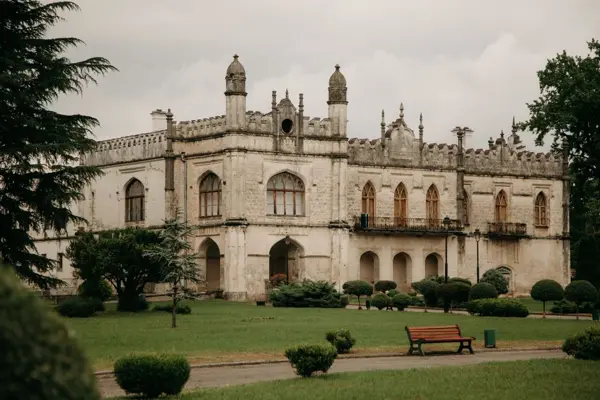
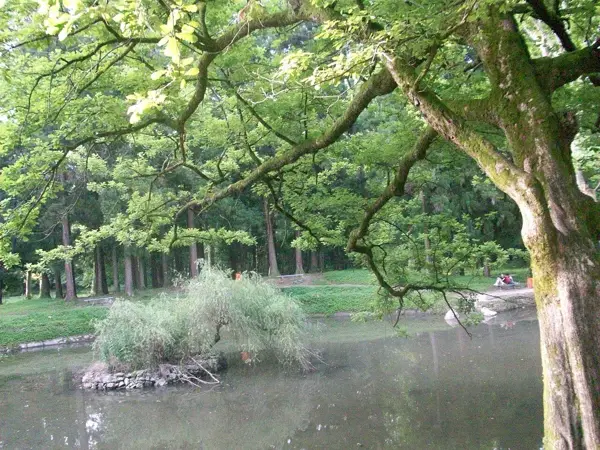
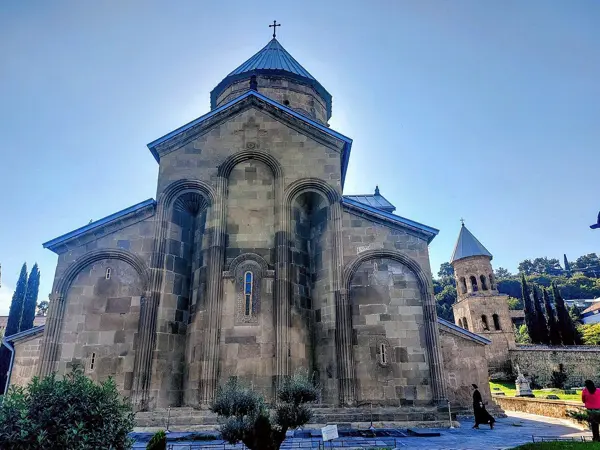
Sprawled across the humid Colchian lowlands of Samegrelo, Zugdidi rests just inland from the Black Sea, fed by the waters of the nearby Enguri River before the mountains climb toward Svaneti. Broad, tree-lined boulevards give the town an unhurried dignity. Walking through the center feels grounded in quiet provincial rhythms, where Soviet-era apartment blocks stand beside houses with carved wooden balconies, and the air carries a steady maritime dampness. The settlement developed as the power seat of the Dadiani dynasty, who ruled Mingrelia until imperial Russian annexation in 1867. At its heart lies the neo-Gothic Dadiani Palace complex, completed in the 1880s for the ruling family; its museum holds royal heirlooms and an authentic death mask of Napoleon Bonaparte, brought by descendants of his marshal, Achille Murat. The estate opens directly into the Zugdidi Botanical Garden, established in the 1840s by Italian and French botanists. Across the park stands the Blachernae Virgin Mary Church, which becomes the focal point of the town every July 15 during the Vlakhernoba feast, when a relic believed to be the garment of the Virgin Mary is presented to pilgrims. Megrelian cuisine dominates daily life here. The central bazaar sells freshly churned sulguni cheese, braided herbs, and jars of dark, walnut-heavy adjika paste. In local taverns, cooks prepare elarji, a steaming dish of coarse cornmeal whipped with melted cheese until elastic, alongside cool plates of mint-infused gebzhalia. Autumn offers the most comfortable temperatures and coincides with the regional hazelnut harvest. The city is flat and easily navigated on foot, though marshrutka vans gather by the railway station for quick trips out to the ruined stone towers of Rukhi Fortress.
Read more