
Ushuaia
Ushuaia clings to the steep southern slopes of Isla Grande de Tierra del Fuego, hemmed between the jagged, snow-dusted Martial Mountains and the cold waters of the Beagle Channel. Walking along the harbor, you feel the sharp sub-Antarctic wind whipping off the bay, rattling the corrugated iron roofs of brightly painted timber houses. Cargo cranes, fishing boats, and ice-strengthened expedition vessels crowd the waterfront, giving the streets a restless, frontier character shaped by extreme geography. Officially founded in 1884 by Argentine commodore Augusto Lasserre, the outpost expanded in the early twentieth century around a high-security penal colony built to secure national sovereignty. Today, that stark stone prison operates as the Museo Marítimo y del Presidio, preserving cold, narrow cellblocks alongside regional maritime archives. West of the town, the narrow-gauge Tren del Fin del Mundo follows the old logging tracks laid by convicts directly into the peat bogs and subantarctic forests of Tierra del Fuego National Park, while catamarans sail east past sea lion colonies toward the red-and-white Les Eclaireurs Lighthouse. Local life gathers around Avenida San Martín, where diners crack into fresh centolla, the sweet southern king crab pulled straight from the channel, or share slow-roasted Fuegian lamb over Malbec. Each June, residents mark the winter solstice with the multi-day Fiesta Nacional de la Noche Más Larga, celebrating the year’s longest night with live folk music and community feasts. Plan to visit between December and March for long daylight hours and open hiking trails, and use local remis taxis rather than walking when navigating the punishingly steep avenues leading up from the water.
Read more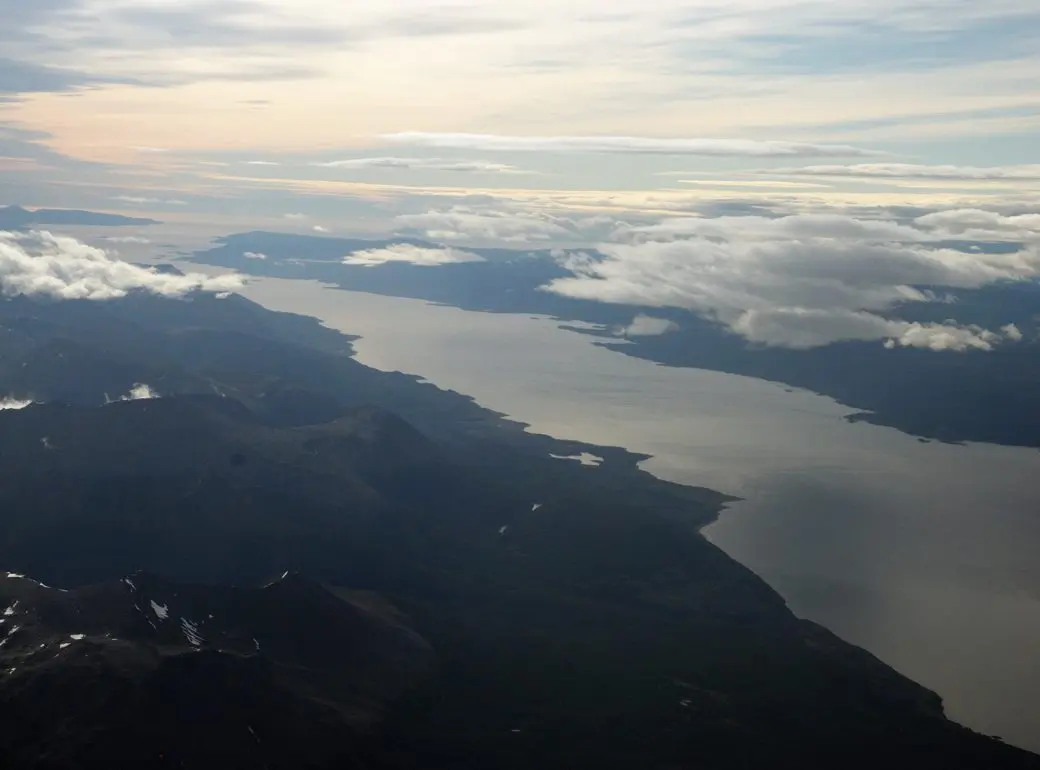
What to see in Ushuaia
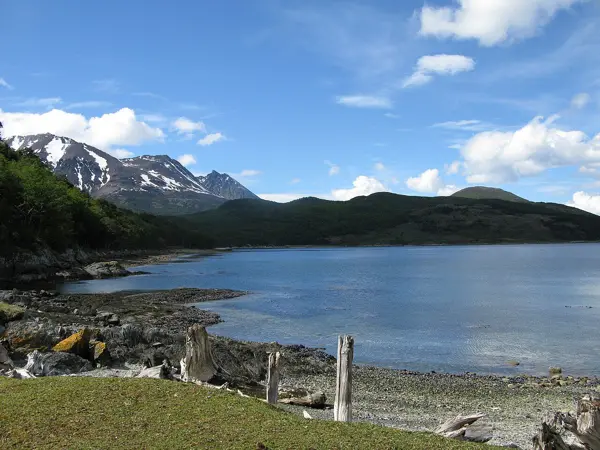
Photo credits (2)
- Ted Wakabayashi, CC BY-SA 3.0, via Wikimedia Commons
- Butterfly voyages Serge Ouachée, CC BY-SA 3.0, via Wikimedia Commons