
Trinidad
Wedge-shaped between the green ridges of the Sierra del Escambray and the Caribbean coast, Trinidad feels suspended in the nineteenth century. Founded in 1514 by Diego Velázquez, the town grew wealthy on sugar and enslaved labor before falling into a long economic dormancy, which paradoxically preserved its colonial core intact. Walking the uneven river-stone cobbles beneath red-tiled roofs, you hear the clatter of horse hooves echoing off pastel lime-wash facades and heavy wrought-iron window grates. At the center lies Plaza Mayor, bordered by the neoclassical Palacio Brunet and the yellow bell tower of the former Convento de San Francisco de Asís. Just east, the residential streets of the Tres Cruces quarter reveal unhurried domestic life behind tall wooden shutters. Evenings center on the wide outdoor steps beside the main church, where residents and travelers gather to hear live son and sip canchánchara, a local concoction of aguardiente, raw honey, and lime originally mixed by independence fighters. In late June, the town celebrates the Fiestas Sanjuaneras with equestrian parades and street dancing. Open-air stalls in the surrounding alleys trade in traditional white needlework and woodcrafts, while family-run paladares serve roast pork, plantains, and black beans. To avoid the oppressive midday heat and the rush of tour buses, explore the streets at dawn when bread vendors make their rounds on horseback, and rely on sturdy footwear to handle the steep, ankle-twisting stones.
Read more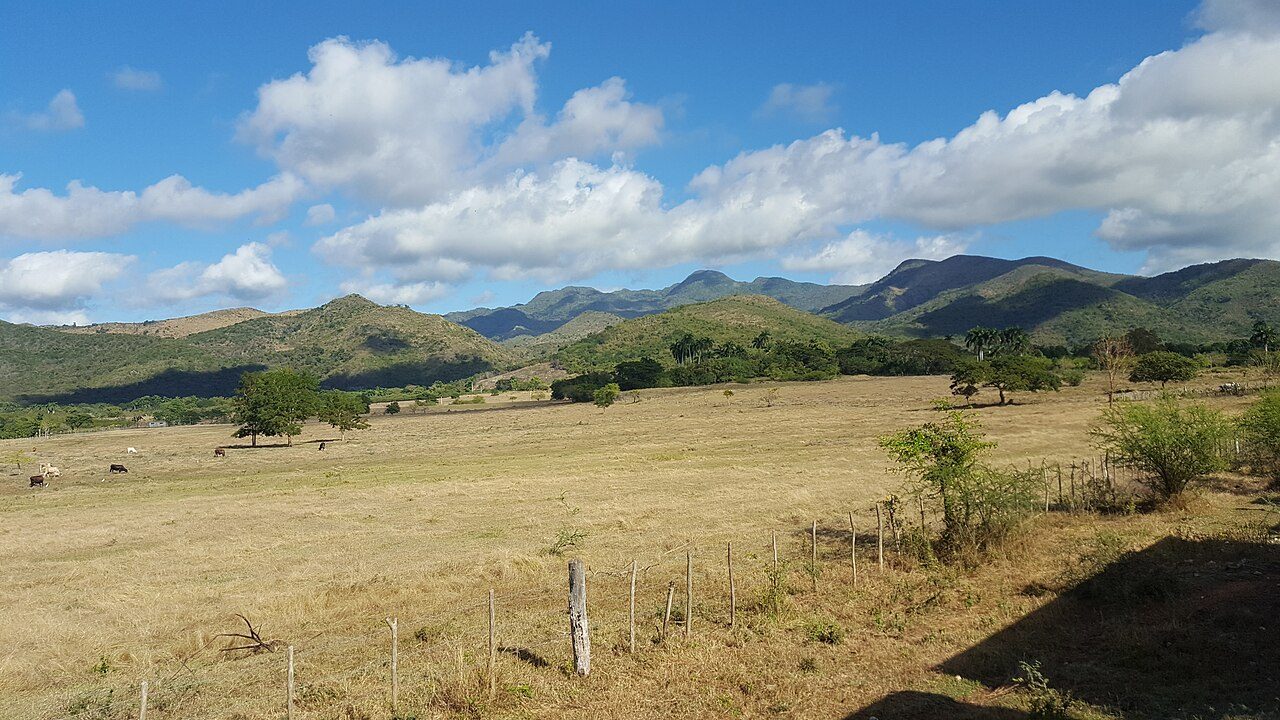
What to see in Trinidad
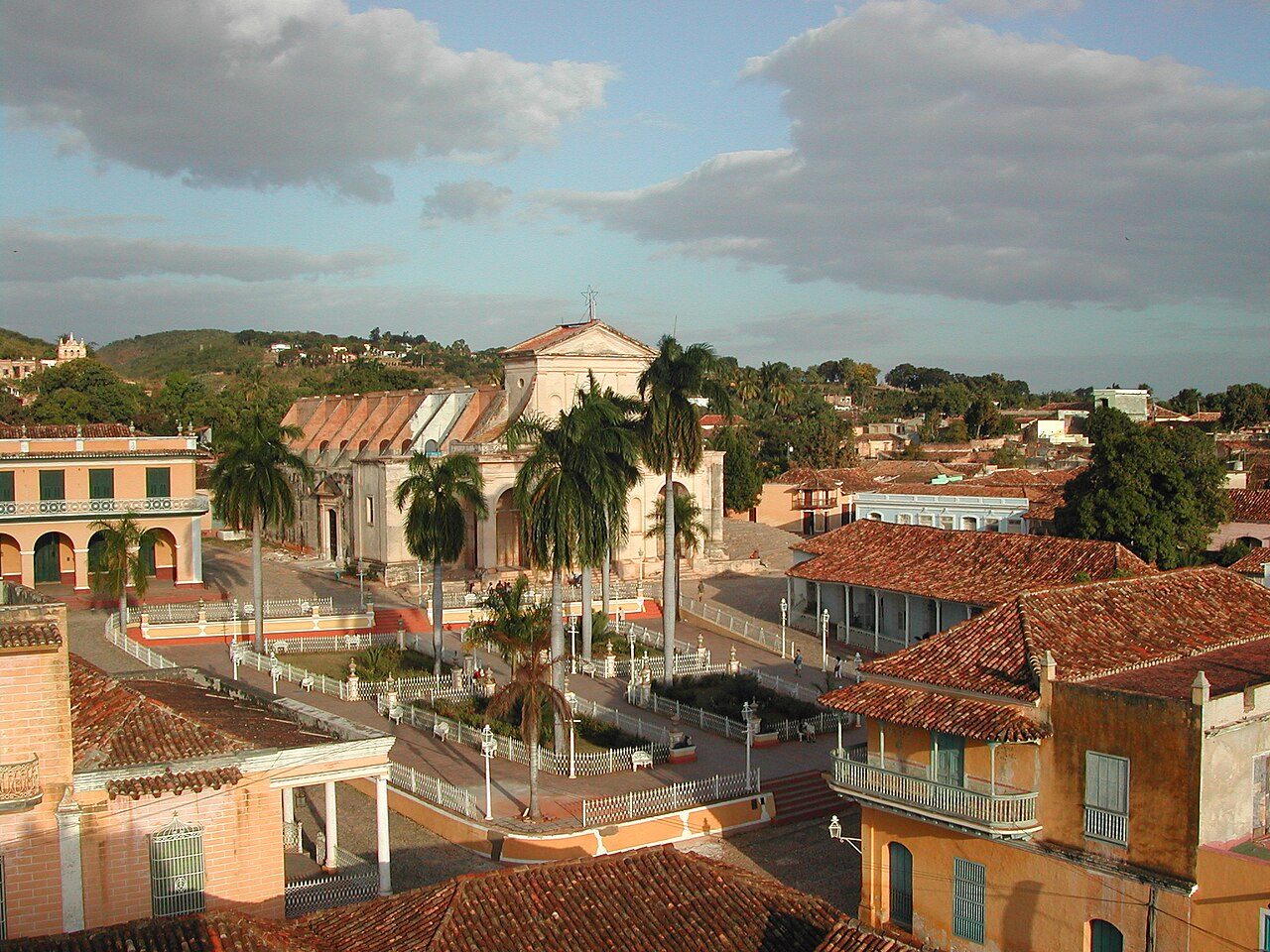
Photo credits (2)
- Jan Pešula, CC0, via Wikimedia Commons
- Dieter Mueller, dino1948, CC BY-SA 3.0, via Wikimedia Commons