
Shusha
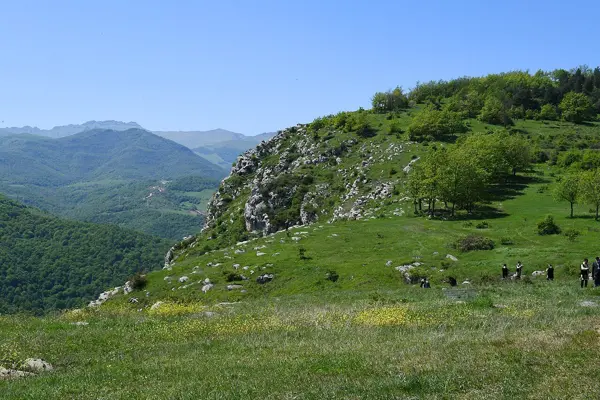
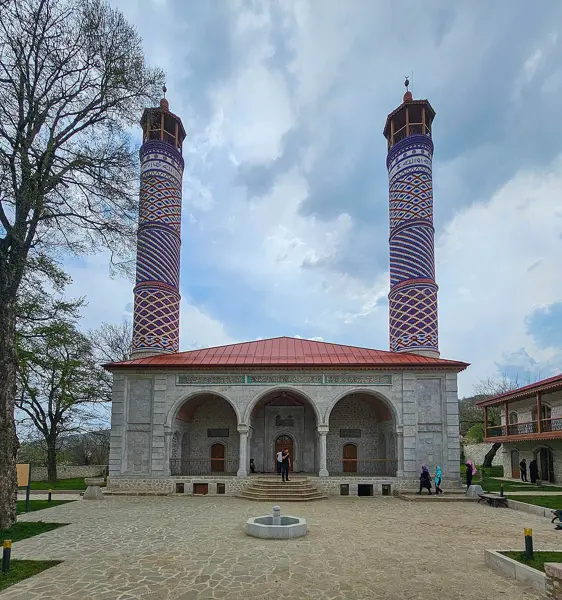
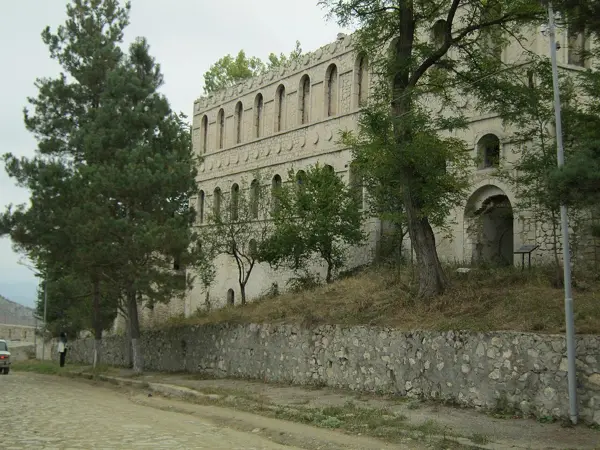
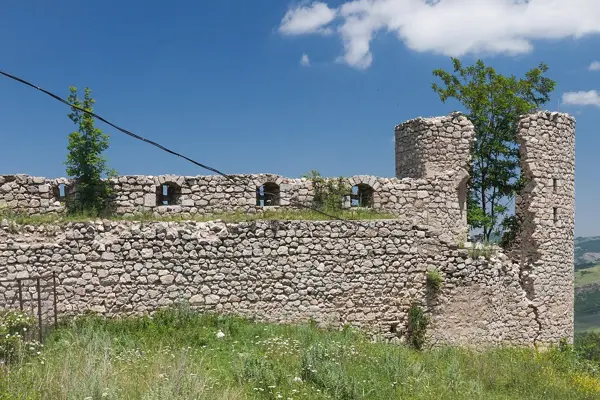
Perched high on a rocky plateau in the Karabakh mountain range, Shusha sits flanked by the deep gorge of the Dashalti River. Walking its rising cobblestone lanes feels like traversing a windswept citadel where pale limestone facades and carved wooden balconies lean over quiet alleys. The mountain air is crisp and carries the resinous scent of surrounding pine forests, with sudden clearings that look out over sheer rock faces falling hundreds of meters to the valley floor. Founded in 1752 by Panah Ali Khan as the fortified seat of the Karabakh Khanate, the town remains the cradle of Azerbaijani musical and literary traditions. The twin-minareted Upper Govhar Agha Mosque anchors the upper quarter with its geometric brickwork, while the restored white-domed Vagif Mausoleum commemorates the eighteenth-century poet and diplomat Molla Panah Vagif. A short walk through town leads to the house-museum of the celebrated singer Bulbul, which preserves nineteenth-century residential architecture, before opening onto Jidir Duzu, an open cliffside meadow historically used for equestrian games. Locals celebrate a distinct regional cuisine centered on Karabakh plov, cooked with saffron, chestnuts, and dried plums, often accompanied by fresh mountain cheeses. In May, the town fills with song during the Khari Bulbul Music Festival, named for the endemic orchid blooming across the adjacent slopes. Plan a trip between late spring and early autumn to avoid heavy winter snows, and explore the compact center on foot, taking the modern Victory Road from Fuzuli for arrival.
Read more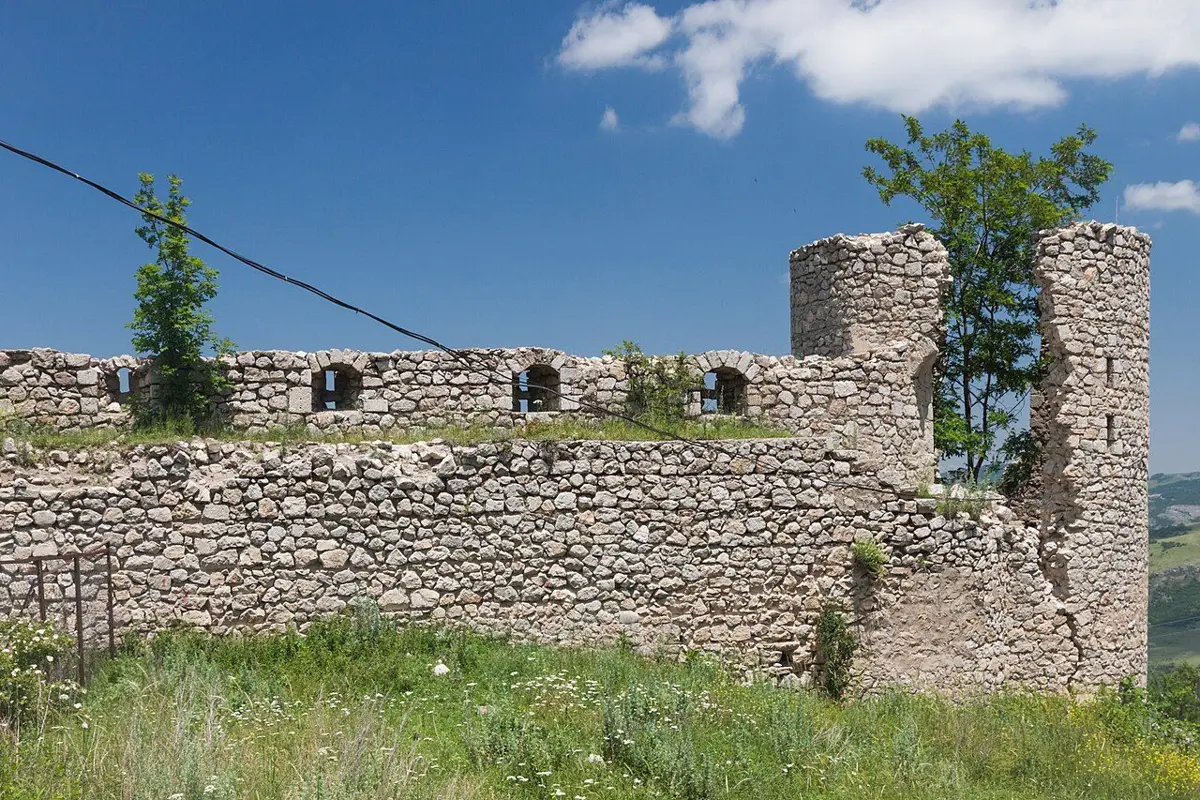
What to see in Shusha
Guides & drivers nearby


Travel guides for Shusha
Photo credits (4)
- Marcin Konsek, CC BY-SA 4.0, via Wikimedia Commons
- Vuqar Amrullayev, CC BY-SA 4.0, via Wikimedia Commons
- Sefer azeri, CC0, via Wikimedia Commons
- Vacio, CC BY-SA 3.0, via Wikimedia Commons