
Montevideo
Fronting the wide, silt-tinted waters of the Río de la Plata where the river widens into the Atlantic, Montevideo unfolds along twenty-two kilometers of continuous coastal promenade known as the Rambla. It is a capital of unhurried rhythms, Art Deco facades weathered by salt air, and plane-tree-shaded avenues where neighbors pause to talk on curbsides. Walking through the city feels tranquil rather than frenetic, with the scent of woodsmoke and coastal breezes drifting through the streets from morning until night. Established as a Spanish military stronghold by Bruno Mauricio de Zabala in 1726 to counter Portuguese expansion, the city grew outward from Ciudad Vieja. This historic peninsula still holds the stone gateway of the Puerta de la Ciudadela, leading into Plaza Independencia where the eclectic, spire-topped Palacio Salvo faces the neoclassical columns of the 1856 Teatro Solís. Further east, residential barrios like Pocitos transition into mid-century apartment rows lining sandy river beaches, reflecting the country’s early twentieth-century civic wealth. Daily life revolves around residents carrying thermal flasks under their arms to sip bitter yerba mate, while midday hunger leads locals into Mercado del Puerto for beef ribs seared over eucalyptus embers. On Sunday evenings, the streets of Barrio Sur thrum with the polyrhythmic drum troupes of candombe, an Afro-Uruguayan tradition that culminates during February’s annual Llamadas parades. The best weather arrives between November and April; during these warm months, getting around on foot or renting a bicycle along the flat coastline is far more rewarding than taking taxis.
Read more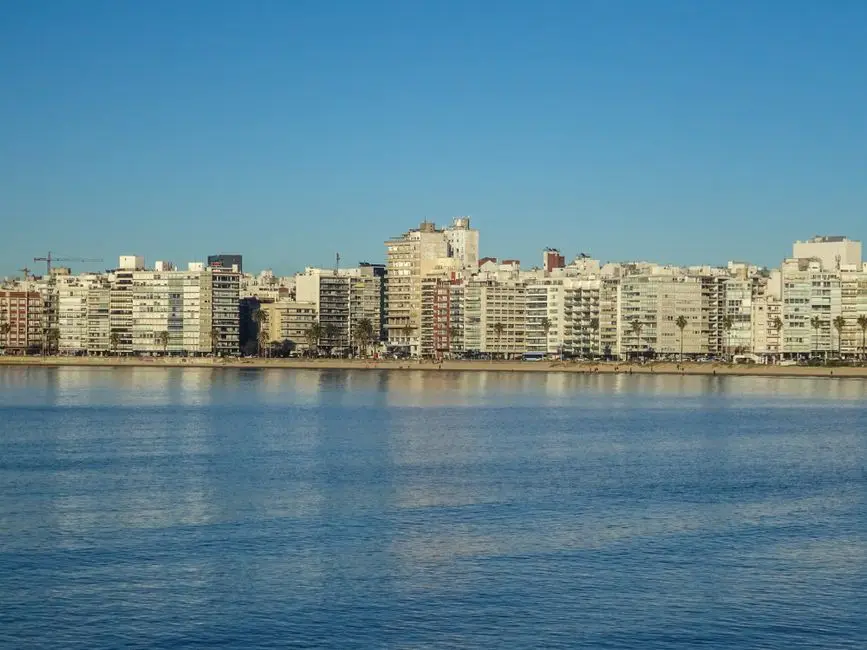
What's on in Montevideo
Youth carnival troupes perform satirical musical theater at the Teatro de Verano, showcasing emerging talent and original Uruguayan murga culture.
Official infoYoung performers parade down Montevideo's main avenue in colorful costumes, kicking off the youth carnival season with lively music and dancing.
Official infoAuthentic Afro-Uruguayan candombe drum parade through Barrio Sur and Palermo celebrating the feast of Saint Balthazar on Epiphany.
Official infoThe official opening parade of the world's longest carnival, featuring dozens of murgas, parodistas, and lubolos parading down Montevideo's main boulevard.
Official infoTop samba schools illuminate Avenida 18 de Julio with energetic drumming, dazzling feathered costumes, and vibrant Brazilian-influenced dancing.
Official infoNightly competitive stage performances by Uruguay's elite carnival troupes competing in murgas, lubolos, humoristas, parodistas, and revistas.
Official infoMontevideo's iconic two-night candombe celebration, where tens of thousands gather as drumming comparsas parade through historic Barrio Sur and Palermo.
Official infoEvents are collected automatically from the web. Dates can change, so please check the official information before you travel.
What to see in Montevideo
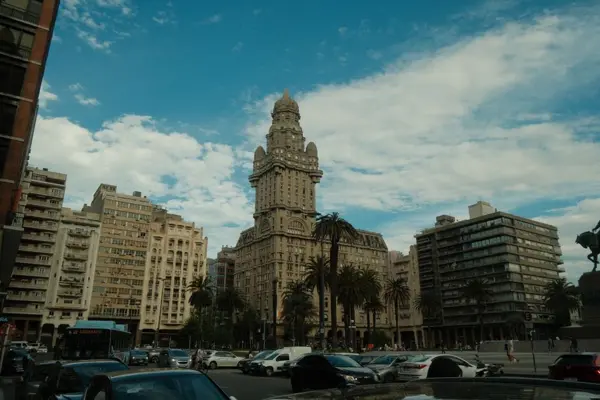
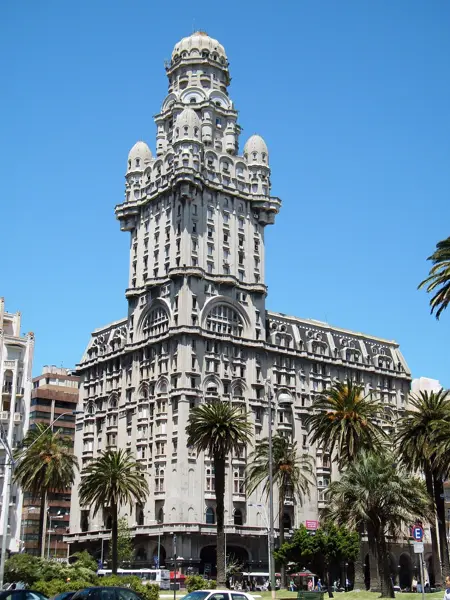
Photo credits (2)
- Coolcaesar, CC BY-SA 3.0, via Wikimedia Commons
- Eduardo Ruggieri, CC BY-SA 3.0, via Wikimedia Commons