
Makhachkala
Pinched between the slate-grey waters of the Caspian Sea and the craggy foothills of the Greater Caucasus, Makhachkala serves as the lively capital of Dagestan. Walking along the tree-lined Rasul Gamzatov Avenue or the breezy pathways of Rodopsky Boulevard, you experience an energetic crossroads where Soviet-era apartment blocks sit beside bustling street-side coffee bars. The air smells of sea brine and roasting meat, set to an auditory mix of dozens of indigenous Caucasian languages, traffic, and the melodic calls echoing from neighborhood minarets. The city began in 1844 as the Petrovskoye military outpost, named in honor of Peter the Great, before being renamed in 1921 for Dagestani revolutionary Makhach Dakhadaev. Architectural focal points reflect this complex heritage. The immense white Grand Mosque, modeled directly on Istanbul’s Blue Mosque, anchors the southern skyline with slender minarets. Near the working waterfront, the red-and-white banded Makhachkala Lighthouse has guided Caspian ships since 1866. Above the urban grid rises the Tarki-Tau plateau, site of the historic Kumyk settlement of Tarki, offering clear vistas across the coastline. Daily life centers on the Second Market, a dense bazaar fragrant with jars of stone-ground urbech flax paste, smoked sheep cheese, and mountain herbs. Bakeries across town turn out chudu, crisp pan-fried flatbreads stuffed with greens, pumpkin, or minced beef. Local culture values fierce hospitality, though travelers should dress conservatively, covering shoulders and knees, to respect communal norms. May, June, September, and October provide pleasant weather, with yellow marshrutka minibuses offering an easy way to traverse the avenues.
Read more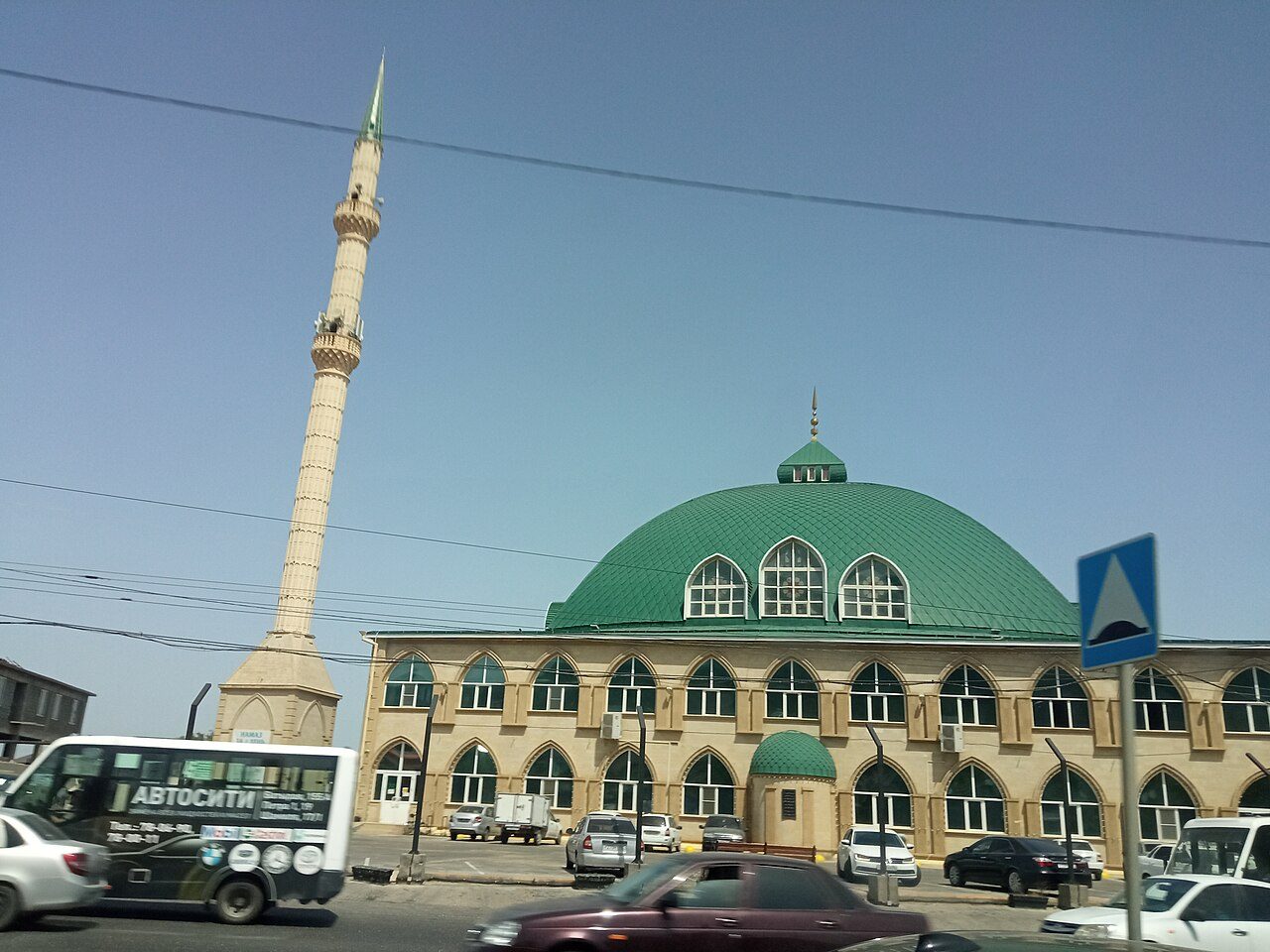
What to see in Makhachkala

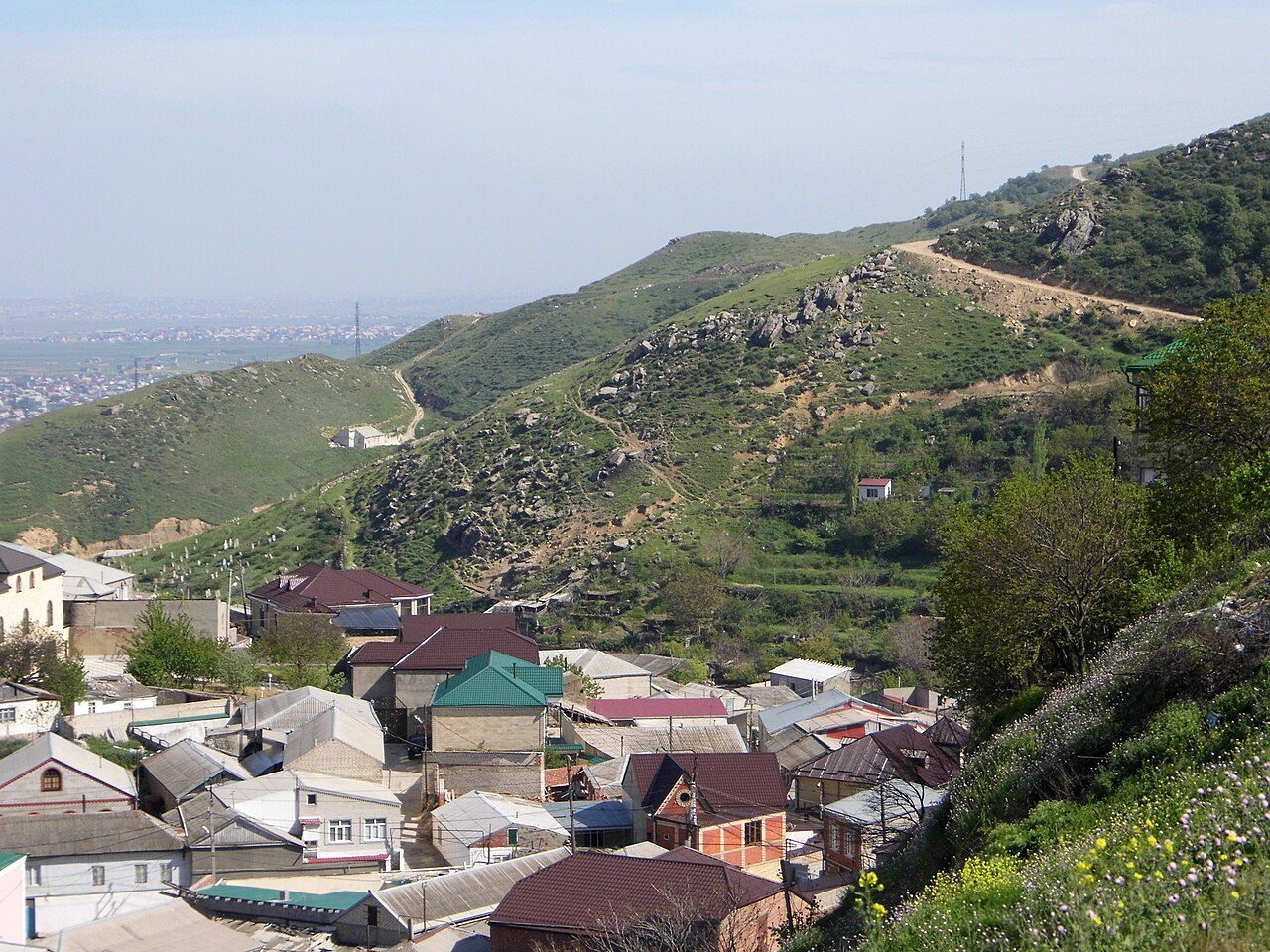
Photo credits (3)
- Dinamik, CC BY-SA 4.0, via Wikimedia Commons
- Ksenia Romanenko, CC BY-SA 4.0, via Wikimedia Commons
- Vyacheslav Bukharov, CC BY-SA 4.0, via Wikimedia Commons