Lankaran
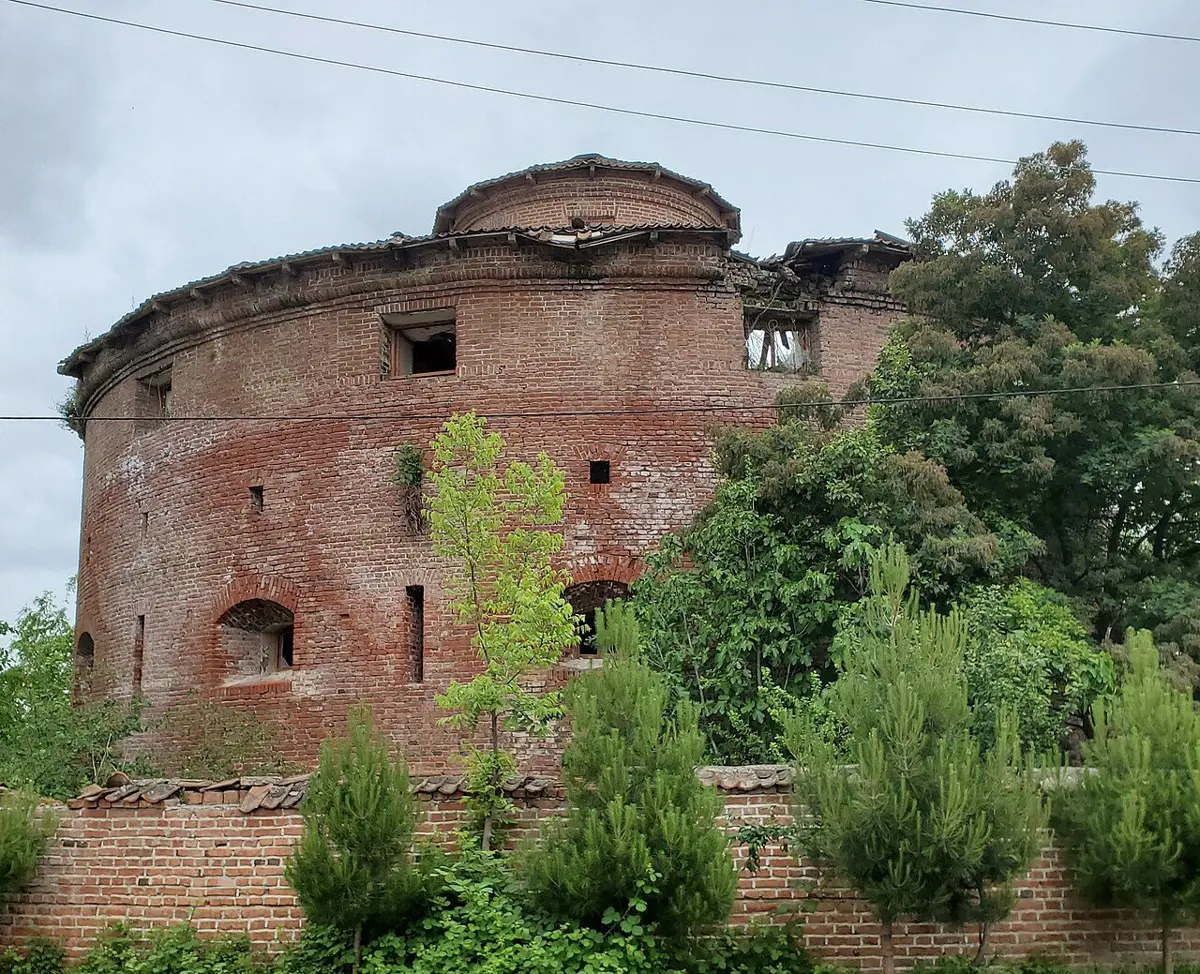
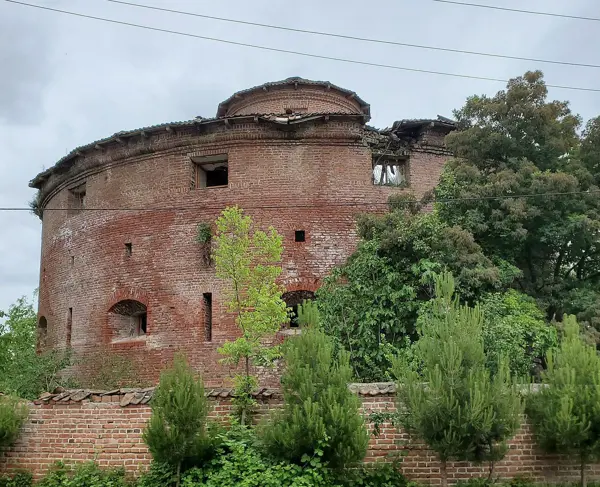
Lankaran sits on the southern fringe of Azerbaijan, wedged between the Caspian Sea's dark volcanic sands and the dense slopes of the Talysh Mountains. Walking the streets reveals a distinct rhythm shaped by maritime air and damp earth, where quiet neighborhoods are bordered by mandarin orchards, persimmon trees, and broad-eaved brick houses. The Lankaran River cuts east toward the coast, nourishing the surrounding lowlands where the country's black tea gardens thrive in the persistent subtropical humidity. The town gained prominence in the mid-18th century as the capital of the Talysh Khanate, before falling to imperial Russian forces following an 1813 siege. Remnants of this military past linger across the urban grid, notably the Zindan, an 18th-century circular red-brick fortress tower later converted into a czarist prison where Joseph Stalin was held in 1903. A short walk away stands the 1913 House of Mirakhmad Khan, an eclectic three-story mansion built with French-imported mirrors and local ironwork, while the 1869 Mayak lighthouse still anchors the seaward approach. Daily life centers around the samovar, where robust black tea is sipped alongside jams made from feijoa and green walnut. The regional staple is lavangi, chicken or Caspian fish stuffed with crushed walnuts, onions, and sour wild plum paste, baked inside a clay tandir. The central bazaar provides a window into this foodway, laden with bundles of mountain savory and fresh citrus. October and November are the best months to visit, escaping summer humidity to catch the citrus harvest. The town center is easily walkable, while local marshrutka vans and shared taxis gather near the rail station for excursions into the nearby Hirkan forest.
Read more