
La Paz
La Paz spills down a rugged canyon carved into the Andean Altiplano, presided over by the snow-capped massif of Mount Illimani. Walking through the city demands strong legs and slow breaths at 3,600 meters, where the thin air smells of roasting coffee and burning copal incense. Cholitas wearing bowler hats and voluminous polleras carry woven bundles past modern glass towers, while red-brick houses climb impossibly steep canyon walls into neighboring El Alto. Founded by Spanish conquistador Alonso de Mendoza in 1548, the city holds its history in sharply defined pockets. Plaza Murillo forms the political heart, bearing the bullet marks of past rebellions on the facade of the Presidential Palace. Just blocks away, the 18th-century cobblestones of Calle Jaén display preserved colonial architecture and five compact museums. Uphill, the Mercado de las Brujas supplies dried llama fetuses and sugar tablets for traditional offerings, while the southern rim erodes into the spires of the Valle de la Luna. Daily life gathers around street kiosks at mid-morning for salteñas, savory pastries filled with spiced beef and sweet gravy. In late May, the massive Fiesta del Gran Poder fills the avenues with brass bands and folkloric dancers celebrating Aymara heritage. For getting around, skip the winding minibuses and board the Mi Teleférico, an extensive urban cable car network gliding smoothly above the traffic. Travel between May and October for clear skies and dry trails.
Read more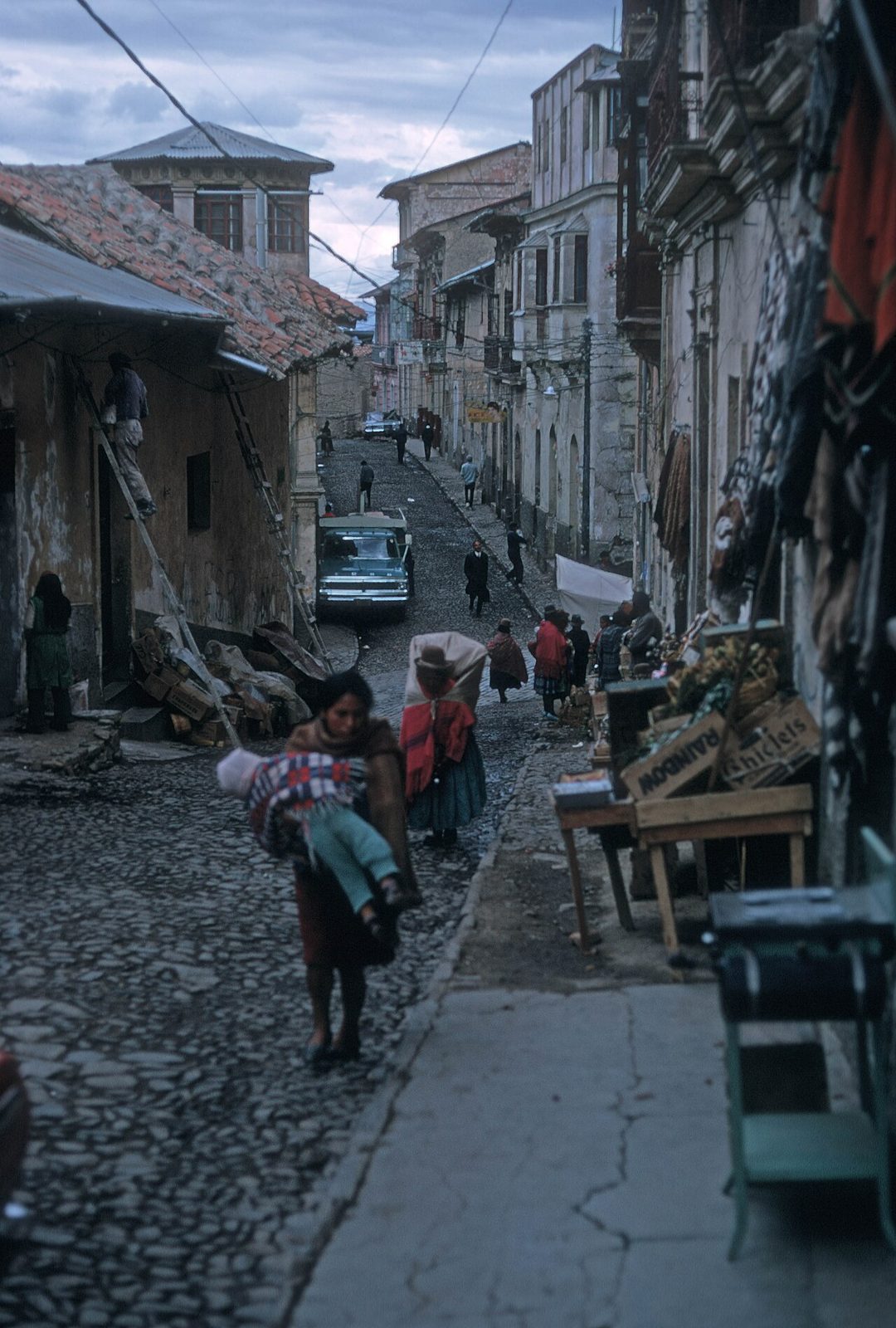
What to see in La Paz
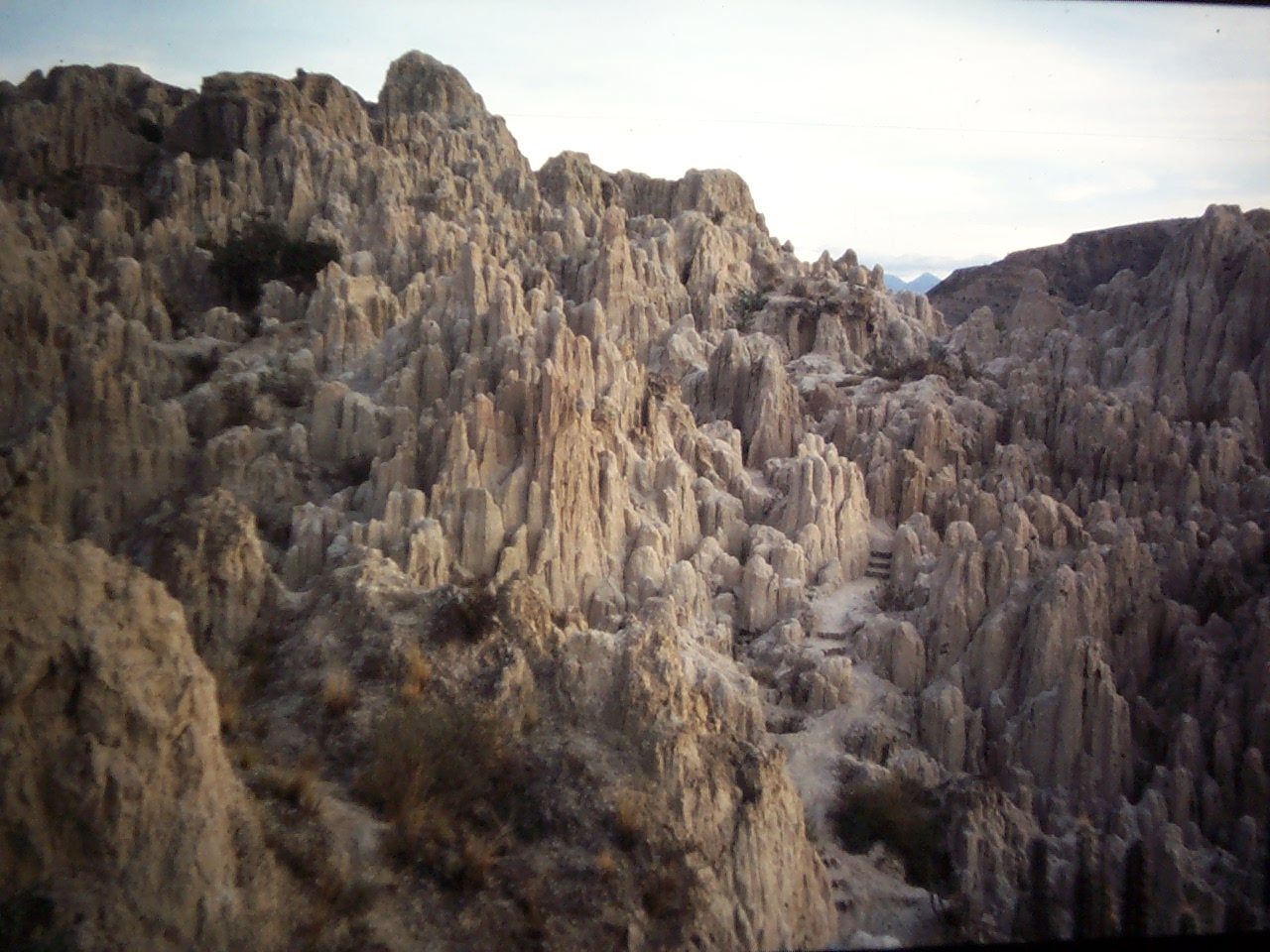
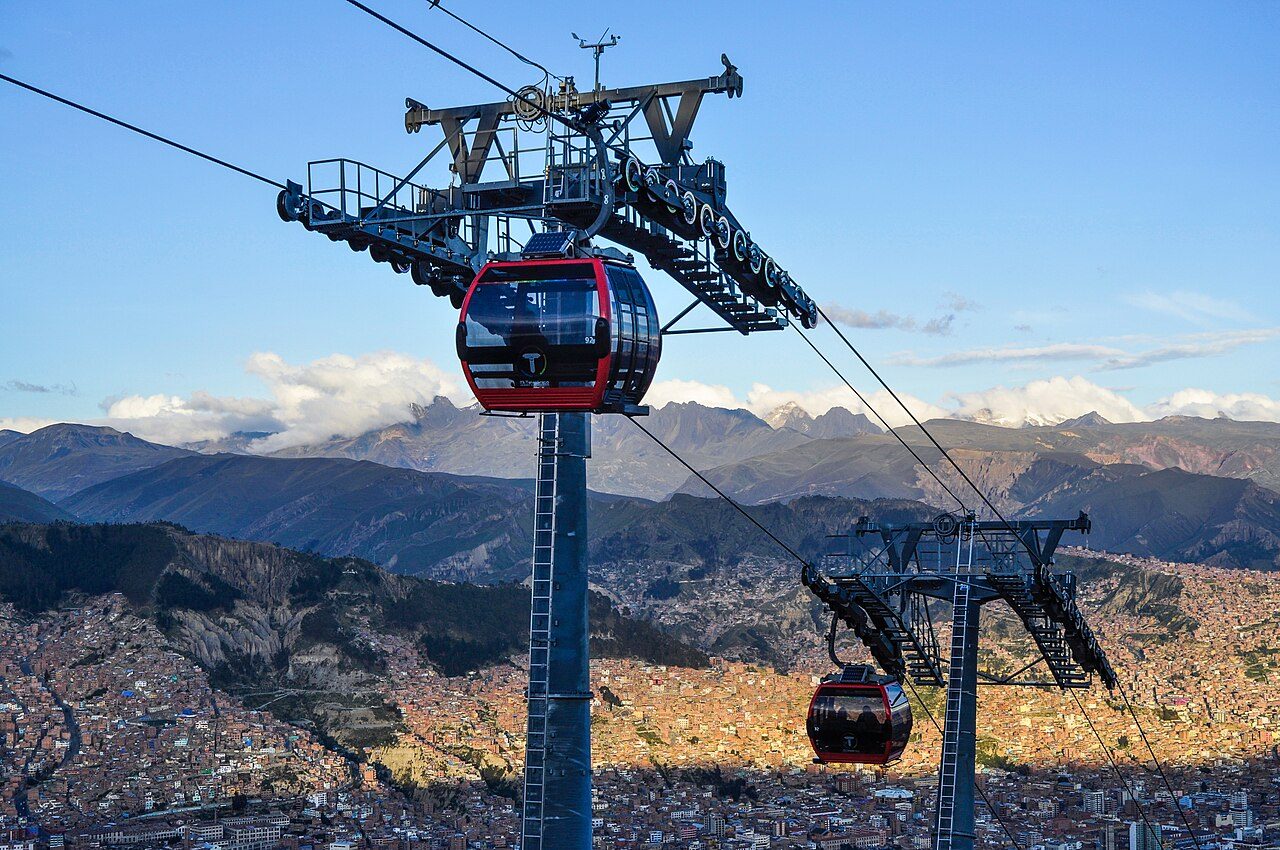
Photo credits (4)
- JERRYE AND ROY KLOTZ MD, CC BY-SA 3.0, via Wikimedia Commons
- Unknown author, CC BY-SA 3.0, via Wikimedia Commons
- EEJCC, CC BY-SA 4.0, via Wikimedia Commons
- Keyan Alejandro, CC BY 4.0, via Wikimedia Commons