Hurghada
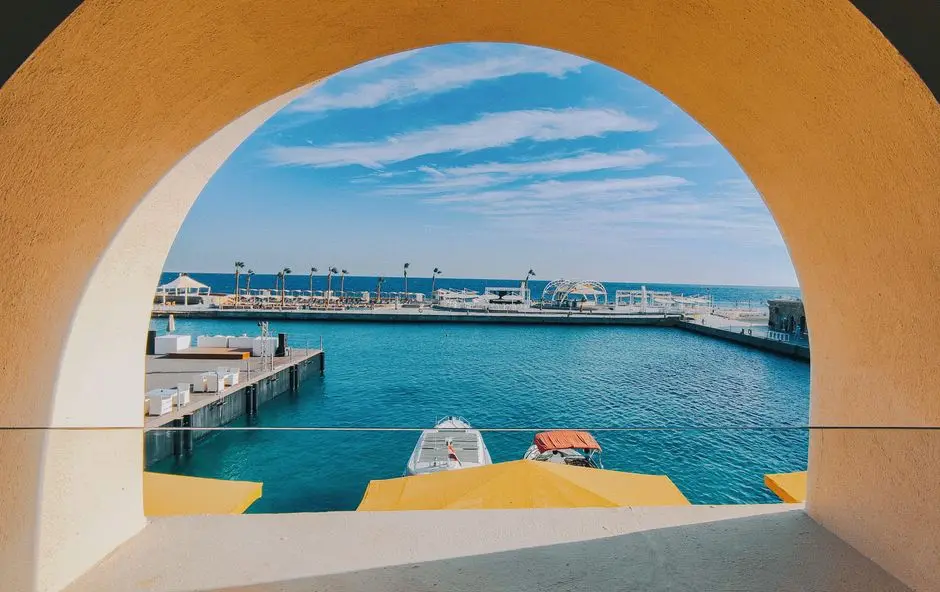
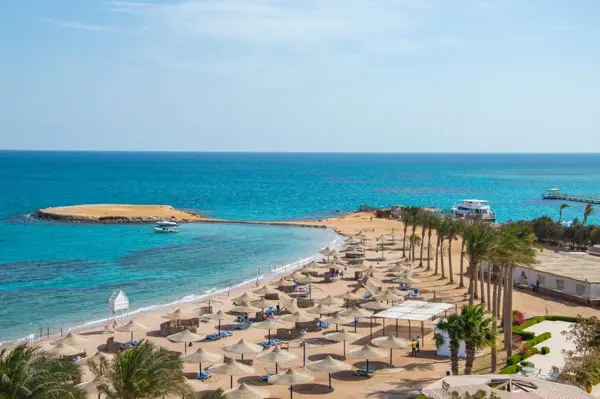
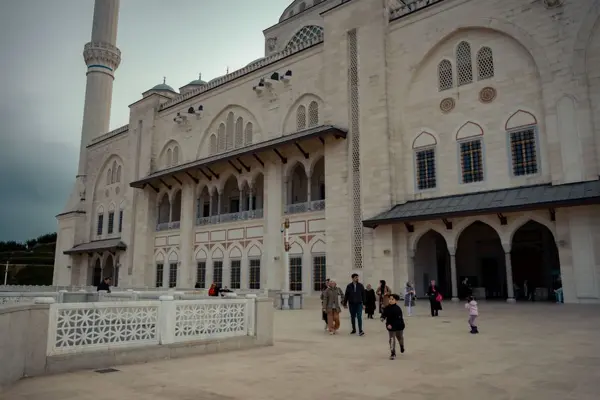
Hurghada edges Egypt eastern desert, pressed between the rugged Red Sea mountain range and a vast coastal shelf lined with coral reefs. Founded in 1905 as a British petroleum prospecting outpost and sustained for decades as a sleepy fishing village, the town grew rapidly from the 1980s onward into a bustling maritime hub. In El Dahar, the oldest district, unpaved side streets carry the scent of roasted cumin, dry dust, and tobacco from pavement tea houses. Further south along the waterfront, the polished promenade of the Hurghada Marina contrasts with the towering marble architecture of Al Mina Mosque, while the protected reefs surrounding the offshore Giftun Islands draw boats into calm, translucent waters. Daily life remains closely tied to the sea and the markets. At the municipal fish market beside the fishing port, workers grill freshly landed red mullet and prepare sayadieh, a traditional dish of spiced fish served over caramelized onion rice. Come spring, families gather along the shorelines for Sham En-Nessim, an ancient festival marking the spring equinox with shared picnics of salted fish and scallions. The most comfortable travel period runs from October to April, when daytime heat drops to moderate levels and coastal winds ease. To navigate the spread-out city, wave down the white-and-orange microbuses along Sheraton Road, which ferry locals and visitors between the old bazaar and the southern resort strips for just a few Egyptian pounds.
Read more