Gabala
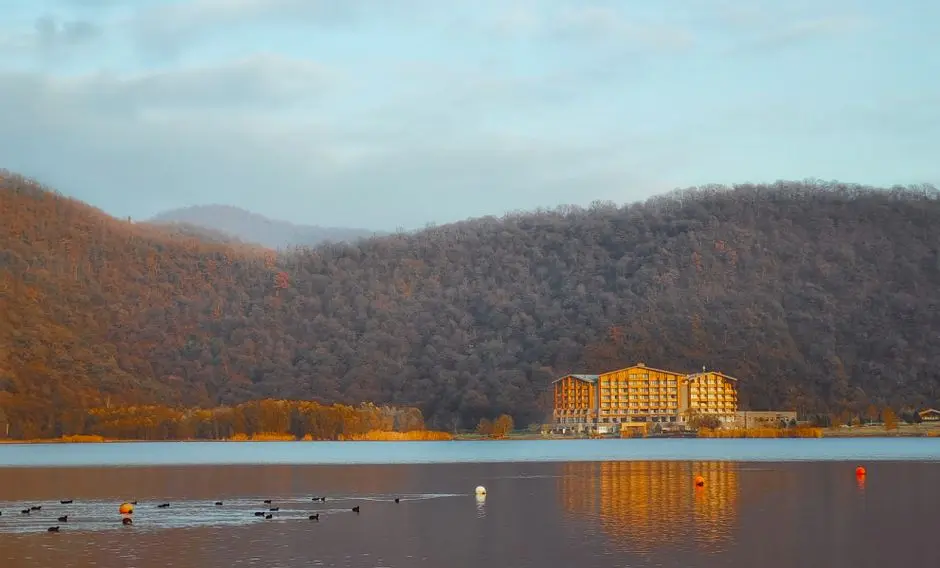
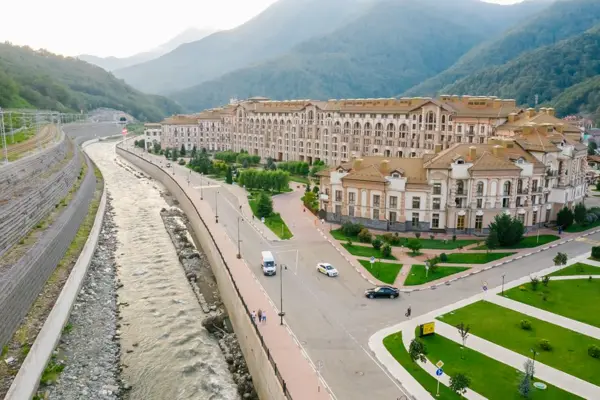
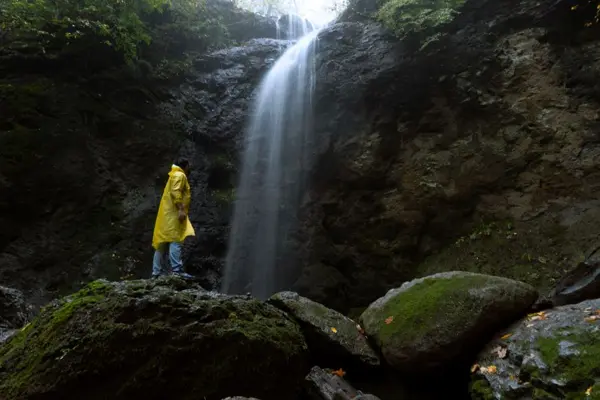
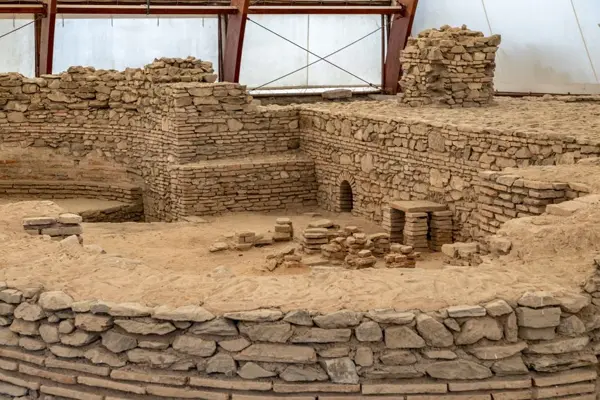
Gabala rests against the steep slopes of the Greater Caucasus in northern Azerbaijan, where the rushing Demiraparan River cuts through dense walnut and chestnut forests. Walking the central avenues feels quiet and unhurried, marked by low stone walls, shaded fruit orchards, and the cool mountain breeze that sweeps down from the alpine ridges hovering directly above town. For nearly a millennium until the sixth century, old Gabala served as the capital of Caucasian Albania. About twenty kilometers southwest, the archaeological reserve of Chukur Gabala preserves massive brick gate towers and excavated pottery kilns dating back over two thousand years. Closer to the modern settlement, the four stages of the Tufandag cable car lift travelers into high mountain meadows, while nearby Nohur Lake sits bordered by thick woodland. A short drive away, the village of Nij preserves the restored seventeenth-century Jotari Church, a rare sanctuary of the Christian Udi people who descend directly from the ancient Albanians. Daily life revolves around the mountain harvest. Roadside stalls sell wild sumac, chestnut honey, and Gabala halva, a rich confection of rice flour, syrup, and crushed walnuts. In late summer, the open-air Gabala International Music Festival draws classical ensembles and folk mugham performers to the forested amphitheaters. Early autumn brings crisp walking weather and vibrant foliage, which is the most comfortable period to visit. Negotiate a day fare with a local driver at the central bus station to reach Nij and the surrounding trailheads, as regional sites are spread across neighboring valleys.
Read more