
Fethiye
Framed by the rugged Taurus foothills and the blue waters of a sheltered Mediterranean bay, Fethiye anchors southwestern Turkey’s Lycian coast. Walking the waterfront promenade reveals an active maritime town where working wooden gulets dock alongside fishing skiffs. Just inland, the shaded alleys of Paspatur, the old quarter, hum with carpet weavers, spice shops, and low wooden stools clustered around brass tea tables beneath trellised grapevines. Known in antiquity as Telmessos, the settlement flourished under Lycian rule before surrendering to Alexander the Great in 334 BC. History remains carved into the landscape: high above the rooftops, the fourth-century BC Tomb of Amyntas features an Ionic temple facade chiseled straight out of the sheer limestone cliff. Below, the compact Fethiye Museum displays ancient Lycian votive stones and Roman statuary, while a short drive over the pine ridge leads to Kayakoy, an expansive ghost settlement of roofless stone cottages abandoned during the 1923 Greco-Turkish population exchange. Daily life centers on the Balik Pazari, the open-air fish market, where you select fresh sea bream or red mullet directly from marble slabs and pay neighboring taverns a small fee to grill it alongside garlic mezze. In late October, the skies fill with colorful canopies during the annual International Air Games, honoring the paragliding community rooted on nearby Mount Babadag. Visit in May or October to avoid high summer humidity, and hop on the frequent, inexpensive dolmus minibuses to navigate between the harbor, rural villages, and coastal trailheads.
Read more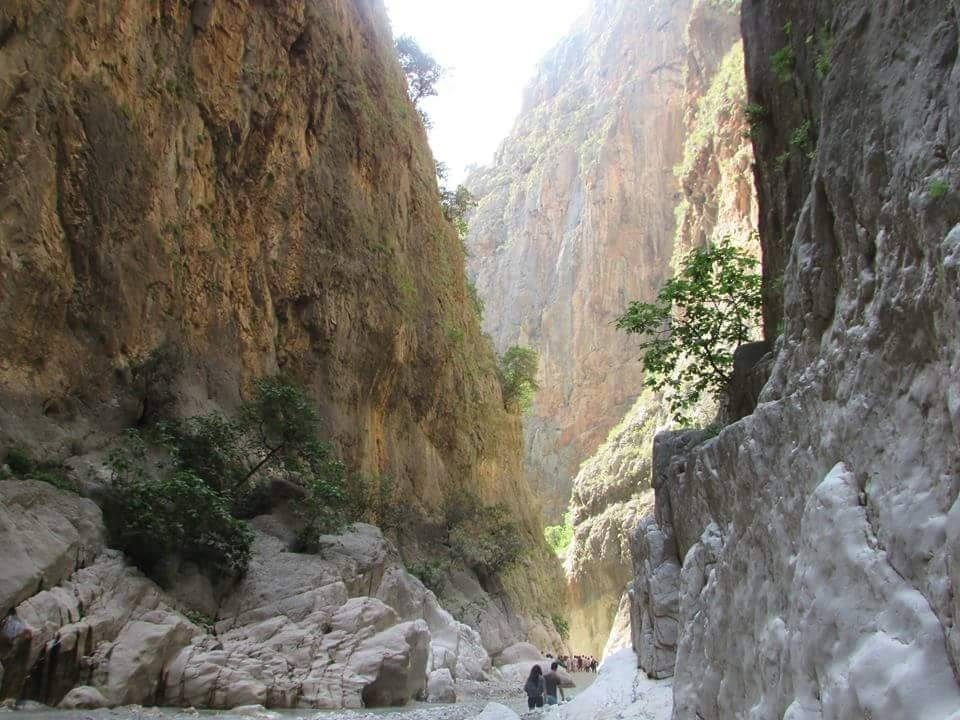
What to see in Fethiye
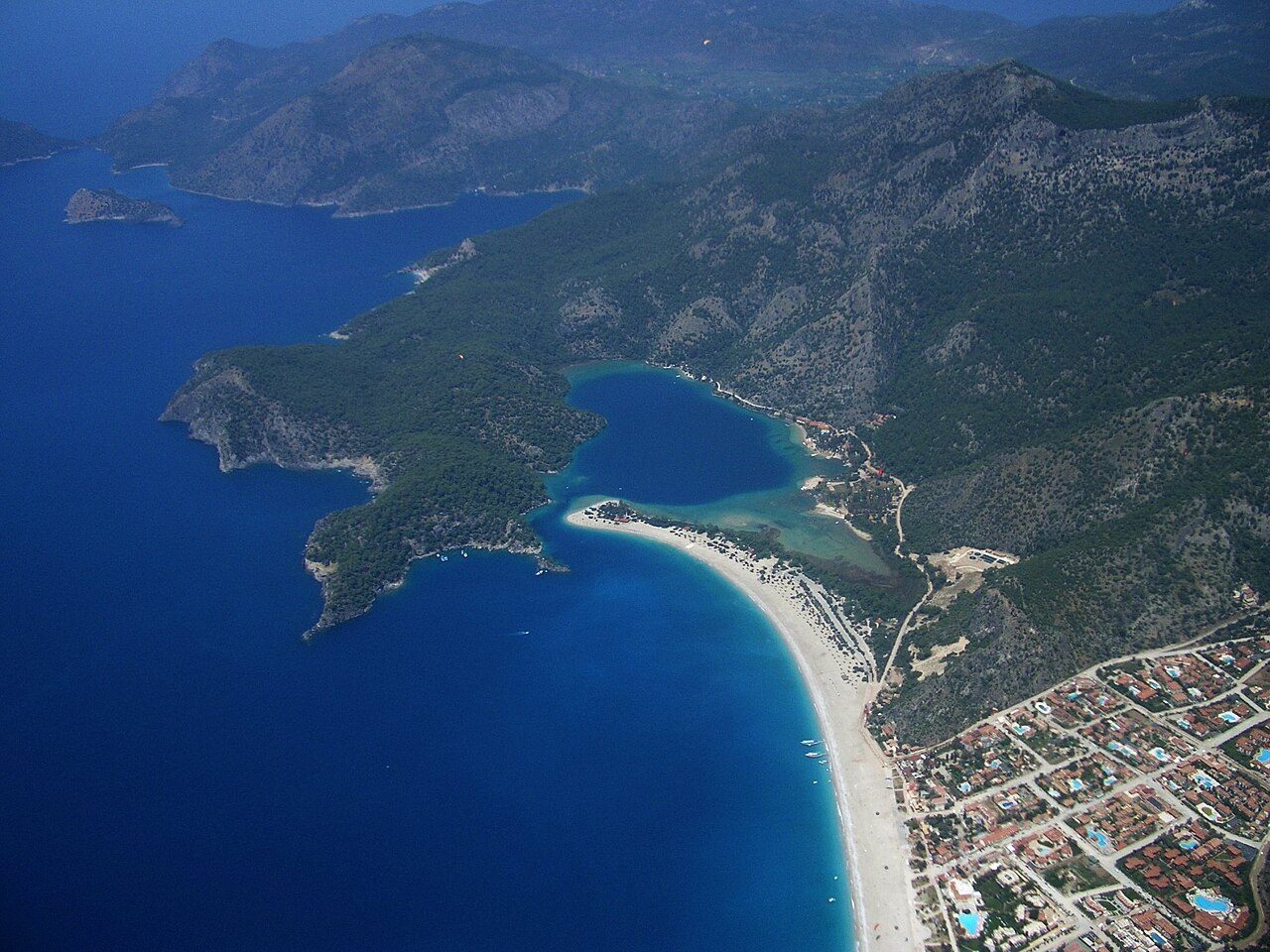
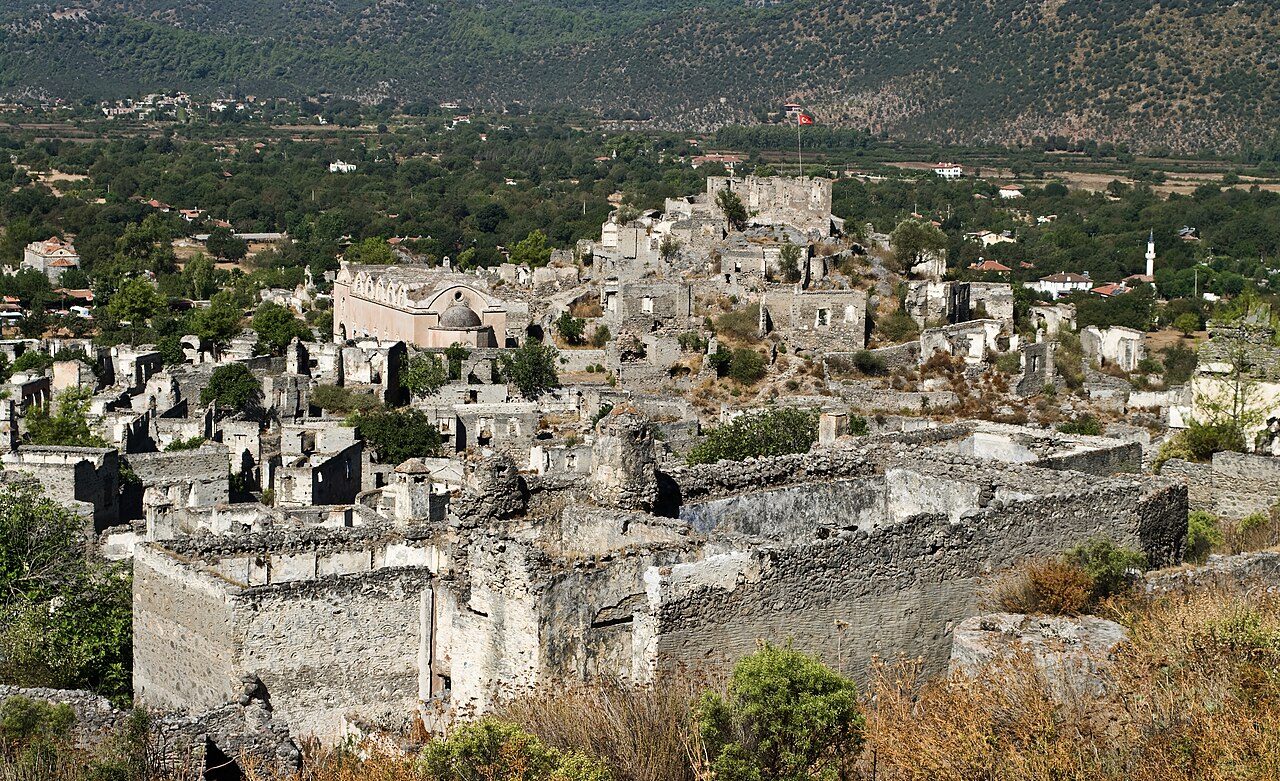
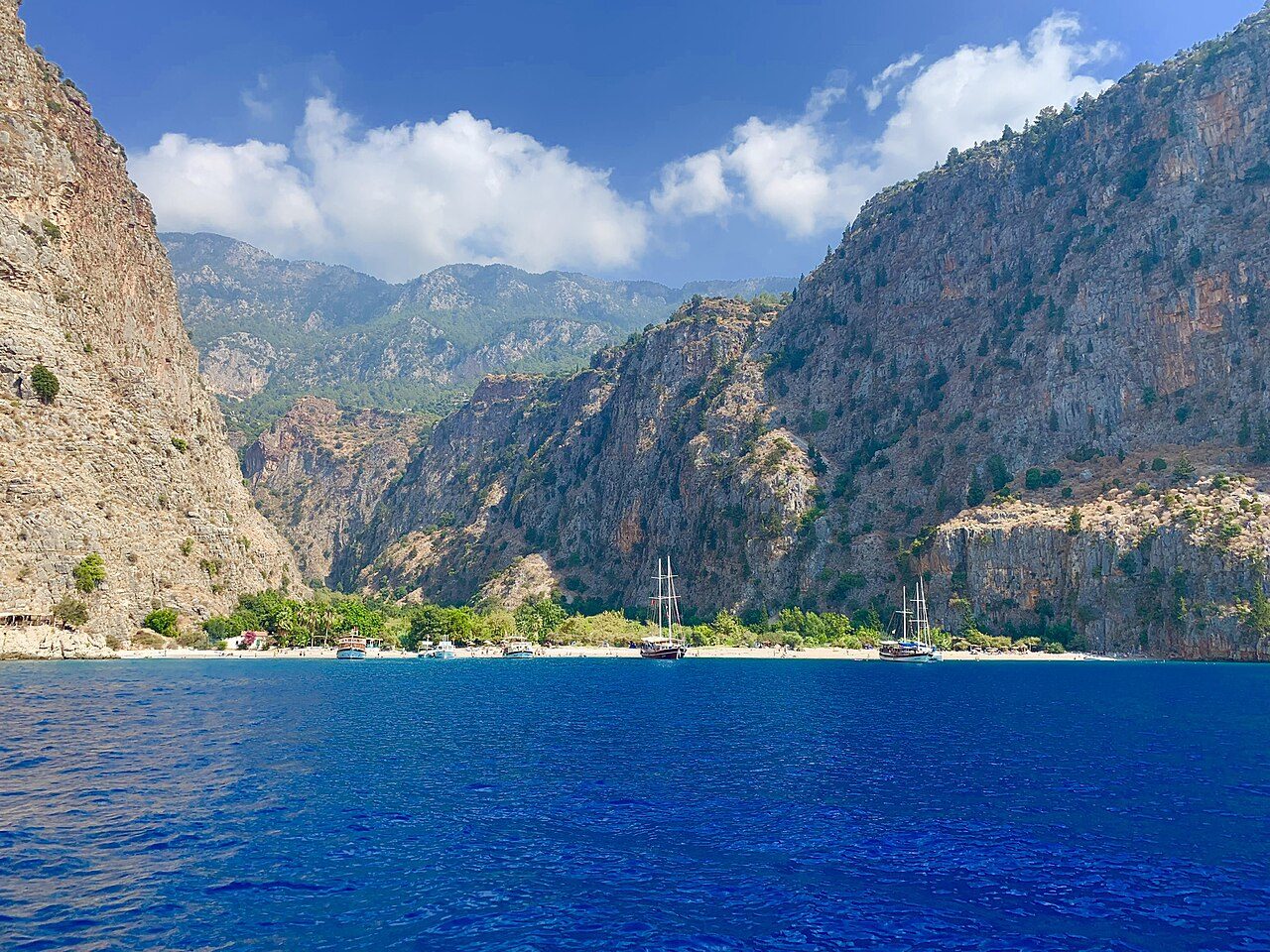
Photo credits (4)
- Cobija, CC0, via Wikimedia Commons
- Dan Taylor, CC BY 2.0, via Wikimedia Commons
- Nikodem Nijaki, CC BY-SA 3.0, via Wikimedia Commons
- Ezzeldin.Elbaksawy, CC BY-SA 4.0, via Wikimedia Commons