
Dashoguz
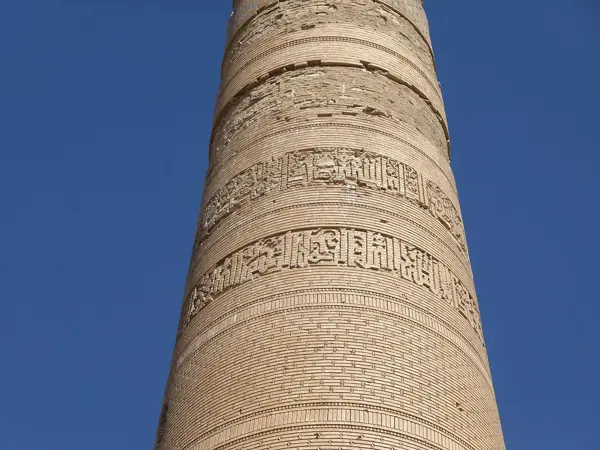
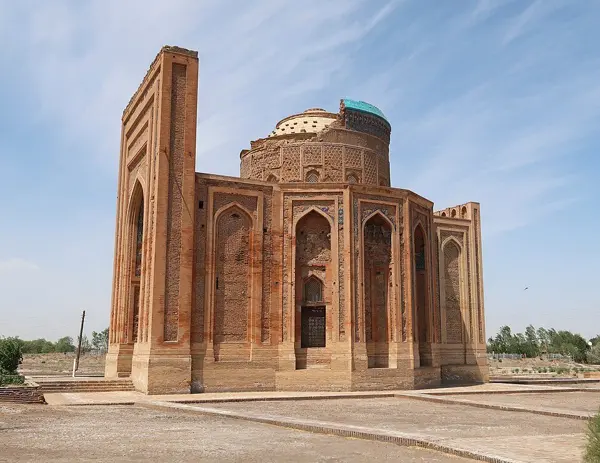
Dashoguz sits along the Shavat Canal on the flat northern edge of the Karakum Desert, just minutes from the border with Uzbekistan. Walking its streets reveals a stark contrast between sleepy Soviet-era avenues shaded by poplars and the austere, gleaming white marble of post-independence administrative districts. The dry desert wind carries the scent of baking earth and woodsmoke, tempered by the irrigation channels that cut through the city grid and keep the frontier oasis alive. Established in 1683 as a mud-brick fortress and well along the Silk Road, the settlement expanded rapidly after the Trans-Caspian railroad arrived in the early twentieth century. Today, the Dashoguz Regional Museum anchors the cultural scene with its collection of ancient Margiana ceramics and Yomut tribal carpets. In the city center, the monumental Gurbansoltan Eje Mosque features striking turquoise domes, while the manicured plazas around Andalib Square display Turkmenistan’s distinct contemporary public architecture. The city also acts as the primary transit base for travelers visiting the medieval ruins and soaring minarets of nearby Konya-Urgench. Daily life revolves around the Bai Bazaar, a covered market where vendors slice fragrant local melons, stack fresh rounds of flatbread, and fry meat-filled gutap over gas burners. Hospitality is expressed through bowls of hot green tea, poured continuously during business dealings and family meals. Travel in spring or autumn to avoid the intense summer heat, and use the plentiful shared yellow taxis near the rail station to navigate town or reach the border.
Read more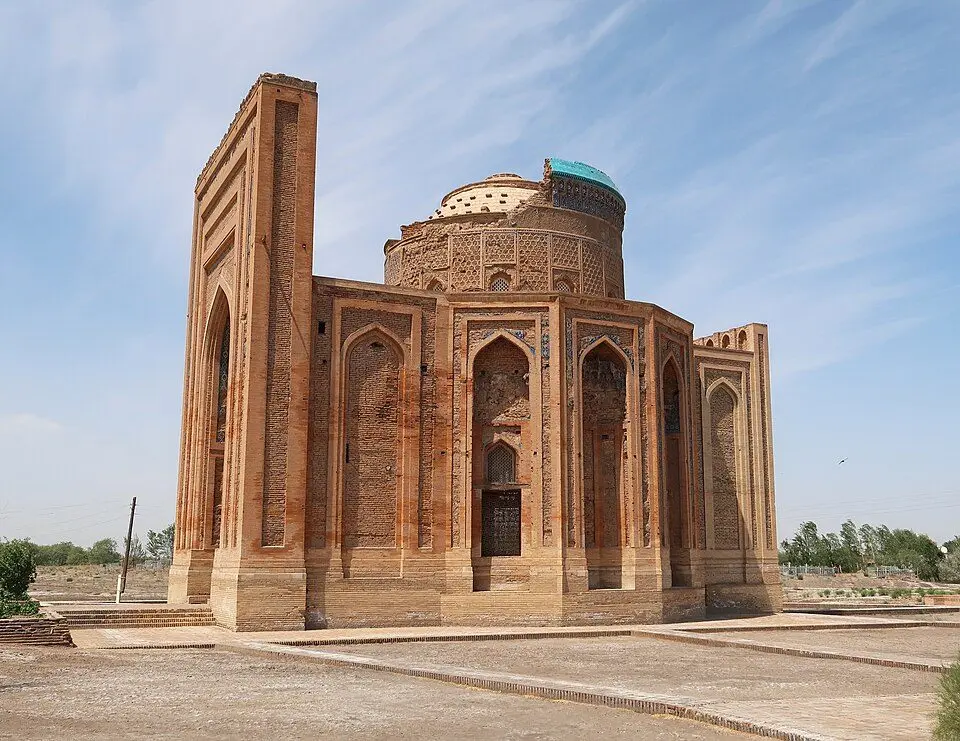
What to see in Dashoguz
Travel guides for Dashoguz
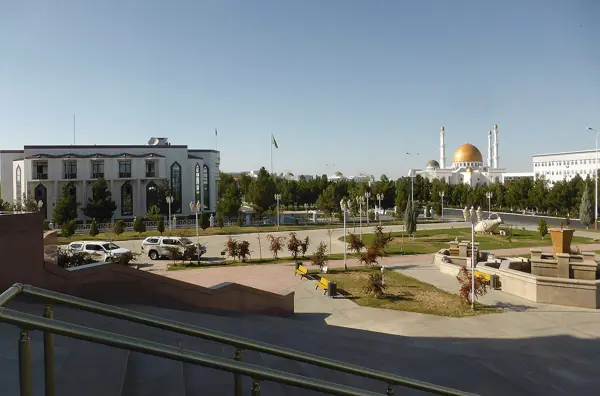
Photo credits (2)
- John Pavelka
- Hans Birger Nilsen, CC BY-SA 2.0, via Wikimedia Commons