Chefchaouen
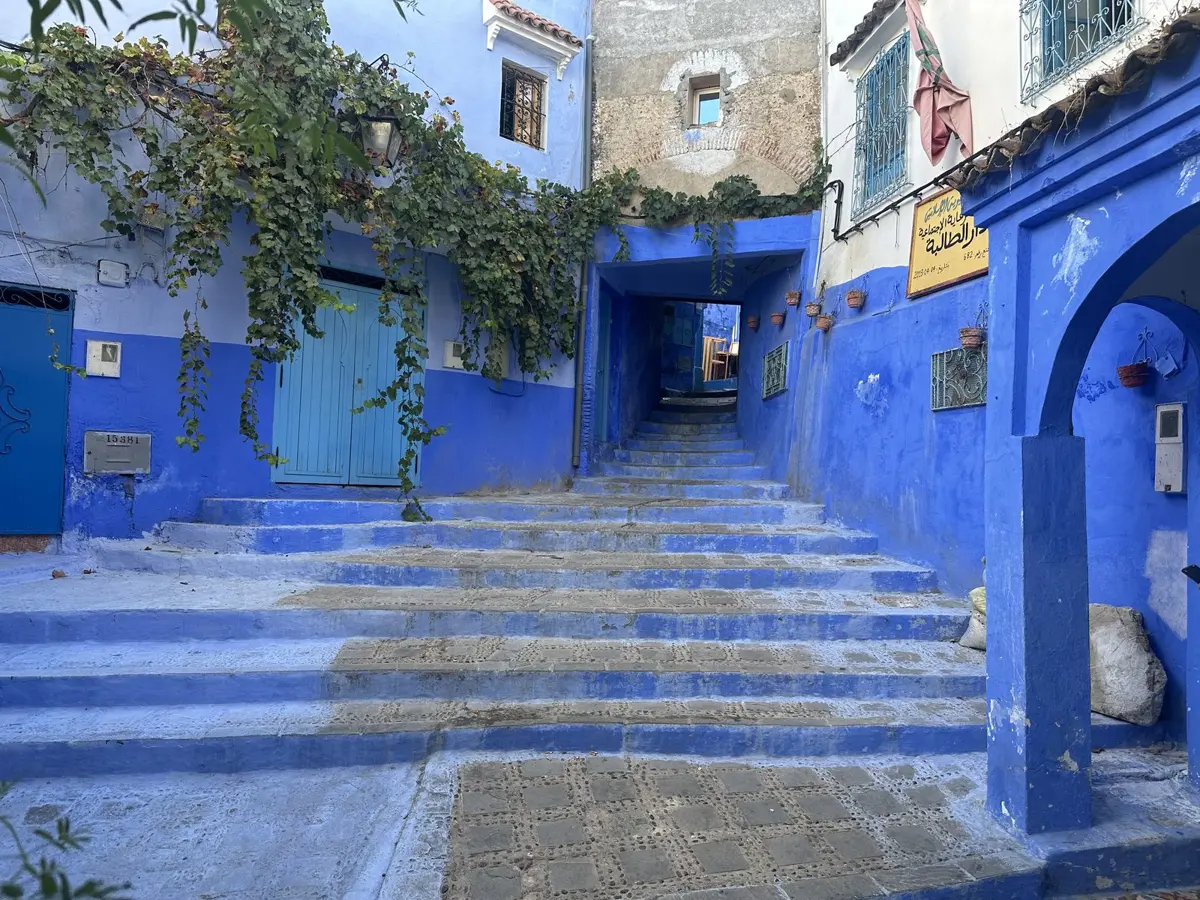
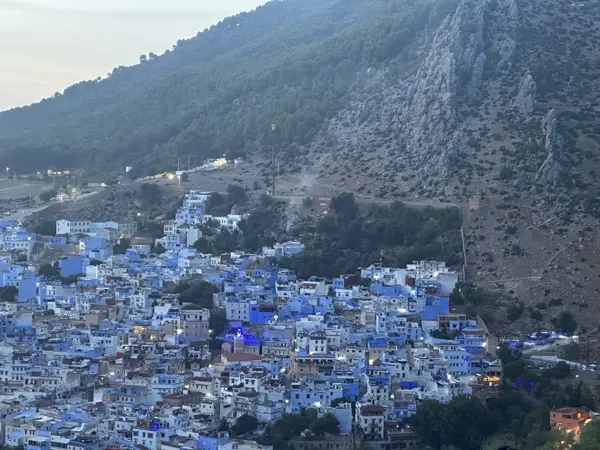
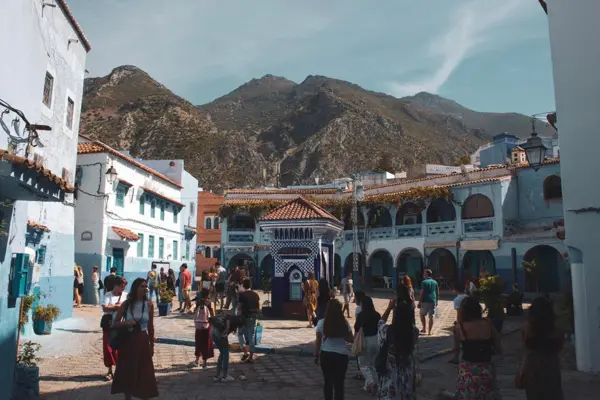
Tucked high in the limestone folds of northern Morocco’s Rif Mountains, Chefchaouen spills down the slopes beneath two horn-shaped peaks that gave the settlement its name. Wandering its steep, car-free medina feels like navigating a cool labyrinth tinted in cobalt, powder, and cyan wash, layered intentionally to deter insects and deflect intense summer heat. Water from the Ras el-Maa spring rushes down the eastern edge of the village, where the murmur of mountain streams mingles with the scent of pine resin and dried mint. Moulay Ali Ben Moussa Ben Rached El Alami founded the settlement in 1471 as a small fortress against Portuguese incursions, which quickly expanded when Jewish and Muslim exiles fled Spain following the fall of Granada in 1492. At the medina center stands Plaza Uta el-Hammam, anchored by the restored red-walled Kasbah and its quiet Andalusian garden. Upward through the quiet residential quarter of Al-Onsar, a stone path leads outside the city perimeter to the Spanish Mosque, an abandoned 1920s sanctuary that overlooks the blue terraces and the valley below. On Mondays and Thursdays, farmers from surrounding hill villages descend for the weekly souk, where Riffian women in red-and-white striped mendil cloths sell rounds of fresh jben goat cheese and mountain herbs. Neighborhood eateries serve steaming bowls of pureed fava-bean bissara drizzled with olive oil alongside fresh barley bread. Visit during mid-spring or autumn to avoid harsh seasonal temperatures, and walk the medina lanes just after dawn before day-trippers arrive from Tangier.
Read more