
 New added
Cape Spartel
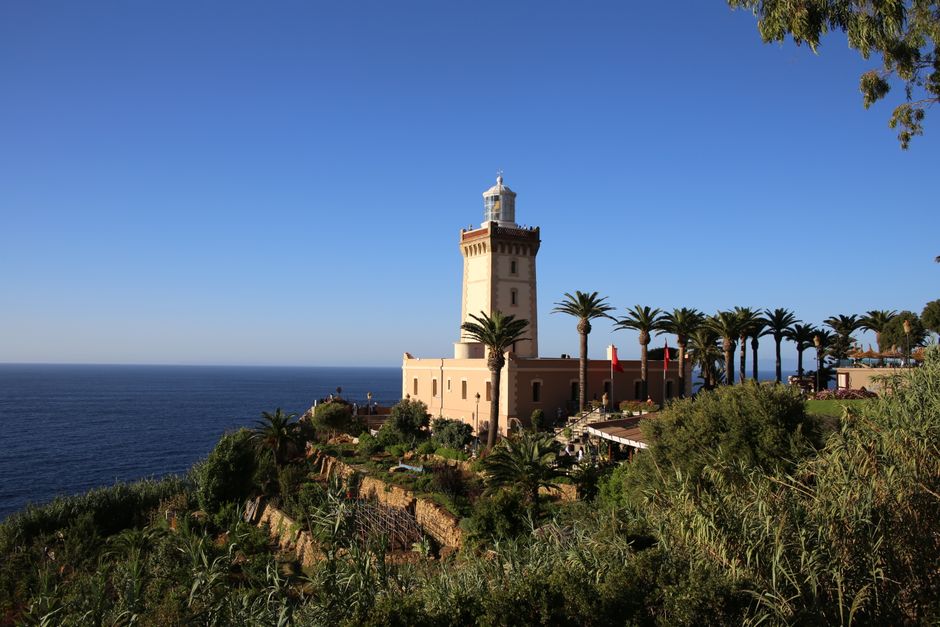
Perched atop dramatic limestone cliffs 300 meters above the sea, Cape Spartel marks the exact geographical threshold where the turquoise Mediterranean converges with the turbulent Atlantic. Commissioned by Sultan Muhammad IV following the catastrophic 1860 shipwreck of the Brazilian frigate *Dona Isabel*, the landmark Phare de Cap Spartel was first illuminated in October 1864. The site subsequently anchored the 1865 Treaty of Cape Spartel, an unprecedented maritime accord that placed the beacon under the neutral administration of ten international powers. Distinct from conventional Western towers, the 24-meter lighthouse reflects Moorish architectural traditions, featuring square yellow-ochre masonry, delicate horseshoe-arched windows, and notched Islamic crenellations crowned by a scarlet-domed lantern. Standing on the windswept promontory, travelers are greeted by the sharp scent of maritime pine, wild rockrose, and eucalyptus drifting down from the surrounding Jbel Kebir ridge. Below the parapet, the collision of two bodies of water reveals itself in a churning, two-toned seam of sapphire and deep oceanic blue slamming against ancient sea-hollowed bluffs. Visitors can wander through the converted keeper’s quarters to examine antique Fresnel lenses and archival nautical charts before stepping onto the perimeter terrace. On cloudless afternoons, the gale-whipped vantage point offers an unobstructed view across the Strait of Gibraltar, where the African shoreline gazes directly toward the sun-bleached cliffs of southern Spain.