 New added
Uluwatu Temple
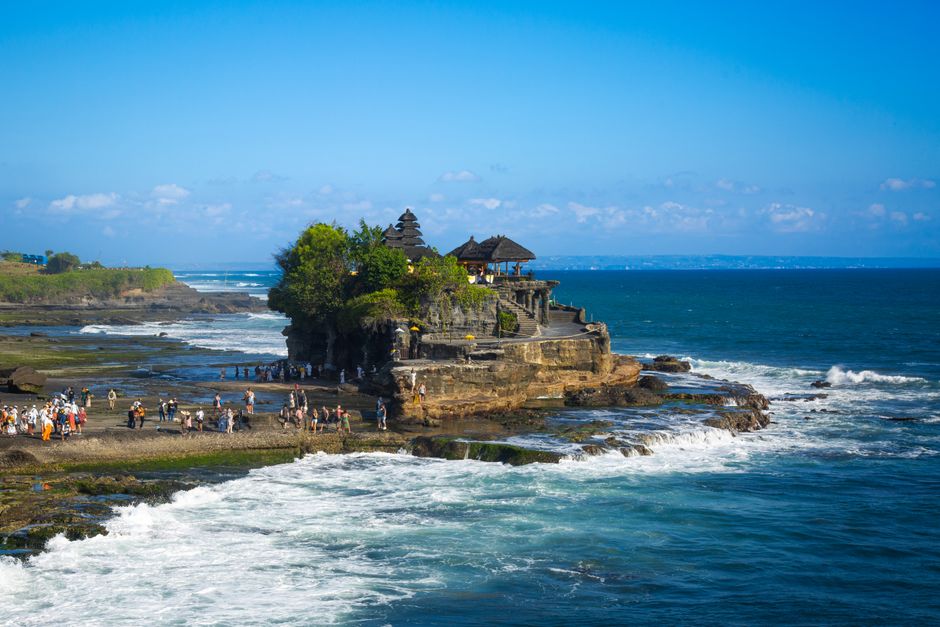
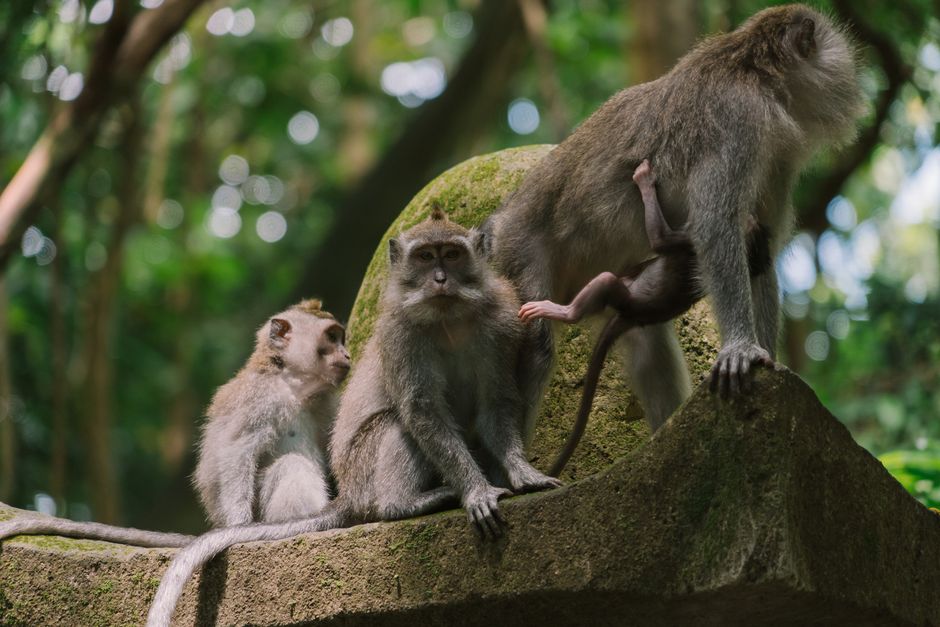
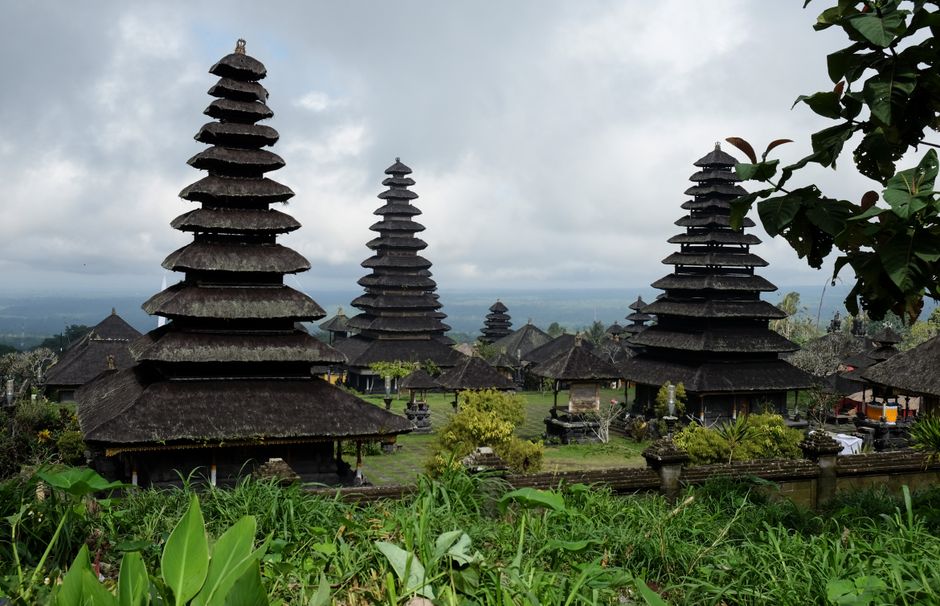
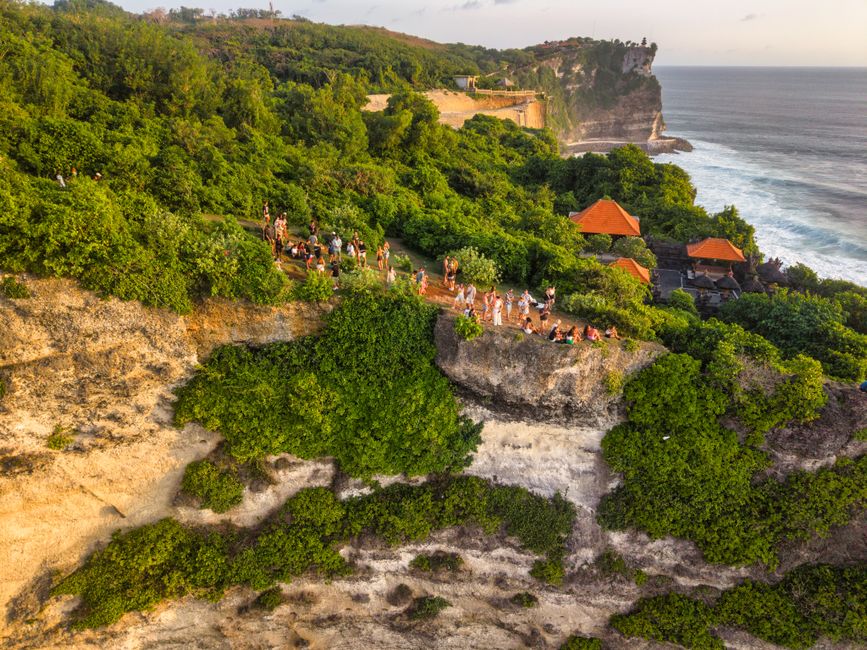
Perched precipitously on a 70-meter sheer limestone promontory, Pura Luhur Uluwatu anchors Bali’s southwestern rim as one of the island’s revered *Sad Kahyangan* (six directional spiritual pillars). Originally founded in the 11th century by the Javanese sage Empu Kuturan, the sanctuary achieved profound religious significance in the 16th century when the itinerant Hindu reformer Dang Hyang Nirartha attained *moksha*—spiritual liberation from the cycle of rebirth—upon these cliffs. Sculpted largely from dark, weather-resistant volcanic coral rather than common Balinese brick, the inner sanctum is accessed through an unusual winged stone split gate (*candi bentar*) flanked by Ganesha carvings, sheltering a dramatic three-tiered *meru* shrine dedicated to Rudra, the deity of raw natural storms. Walking along the cliffside balustrades, travelers feel the violent reverberations of the Indian Ocean smashing against the cavernous limestone base below, spraying mist into the salty sea breeze. Inquisitive gray long-tailed macaques patrol the dry-forest pathways, watching pilgrims carrying woven palm-leaf offerings of frangipani and incense. At dusk, the atmosphere thickens with anticipation as the adjoining open-air amphitheater ignites with the sunset Kecak fire dance. Here, the hypnotic, polyrhythmic chanting of fifty bare-chested men merges with the roar of the breakers, while spinning torches and glowing coconut husks illuminate the ocean horizon as the sky fades to deep indigo.