 New added
Baiyun Mountain
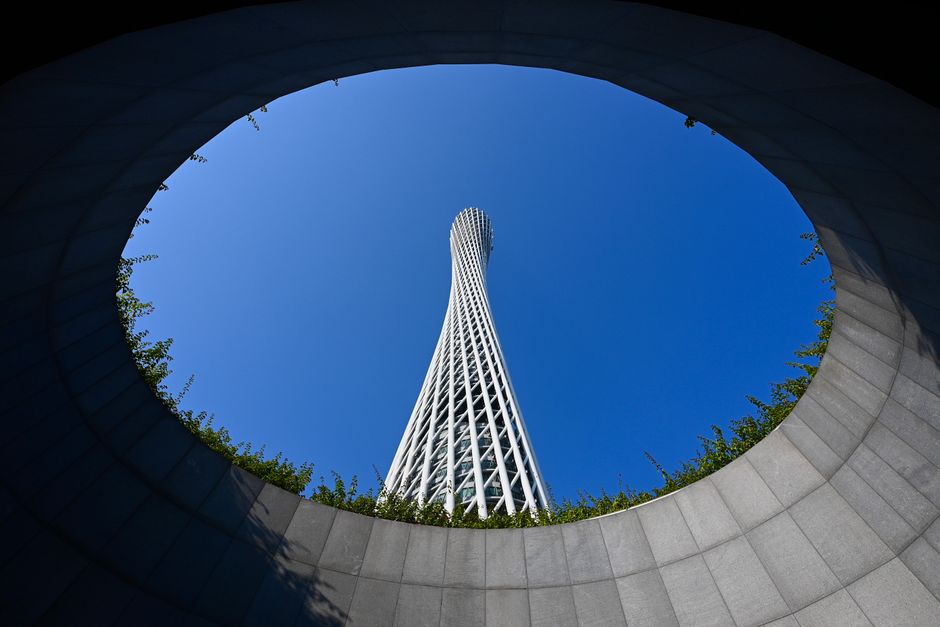
For over two millennia, the granite ridges of Baiyun Mountain have anchored Guangzhou’s spiritual geography. As early as the Qin Dynasty, the Taoist hermit An Qisheng gathered medicinal herbs across these thirty subtropical peaks, legend holding that he attained immortality from its highest precipice. Today, that heritage remains etched into the landscape, from calligraphic cliff inscriptions dating to the Tang and Song eras to the terraced courtyards of Nengren Temple. Rebuilt with classic Lingnan Buddhist architecture—distinguished by sweeping gable roofs, jade-green glazed tiles, and carved stone lintels—the temple shelters quiet sanctuaries beside the historic Tiger Running Spring, where scholar-officials once gathered to brew mountain tea and compose poetry. Ascending the winding stone steps toward Moxing Ridge, the summit at 382 meters, travelers step into a layered sensory atmosphere. The humid mountain air carries the sharp scent of damp red soil, wild ginger, and twisting banyan roots, punctuated by the resonant strikes of bronze temple bells and the dawn calls of laughingthrushes in the canopy. Standing at the peak, the legendary white mists that give the mountain its name frequently part to reveal a striking juxtaposition: dense, subtropical wilderness dropping sharply away to frame the sunlit, chrome-and-glass towers of the Pearl River delta and the distant, slender spire of the Canton Tower.