 New added
Lake Thun
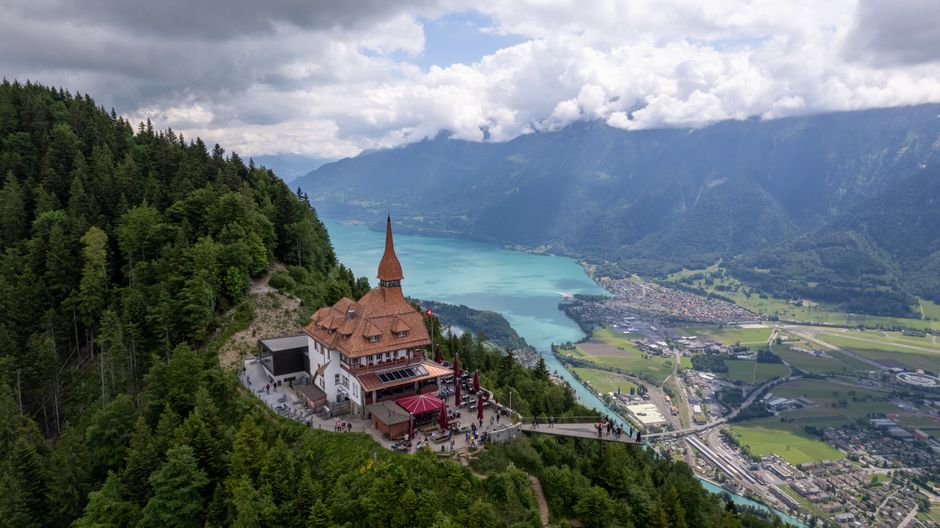
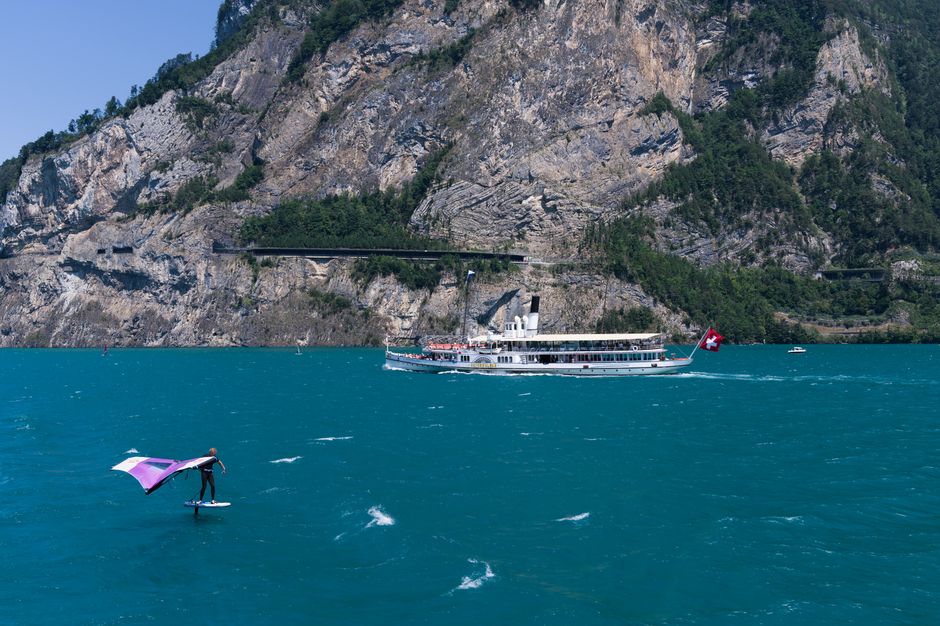
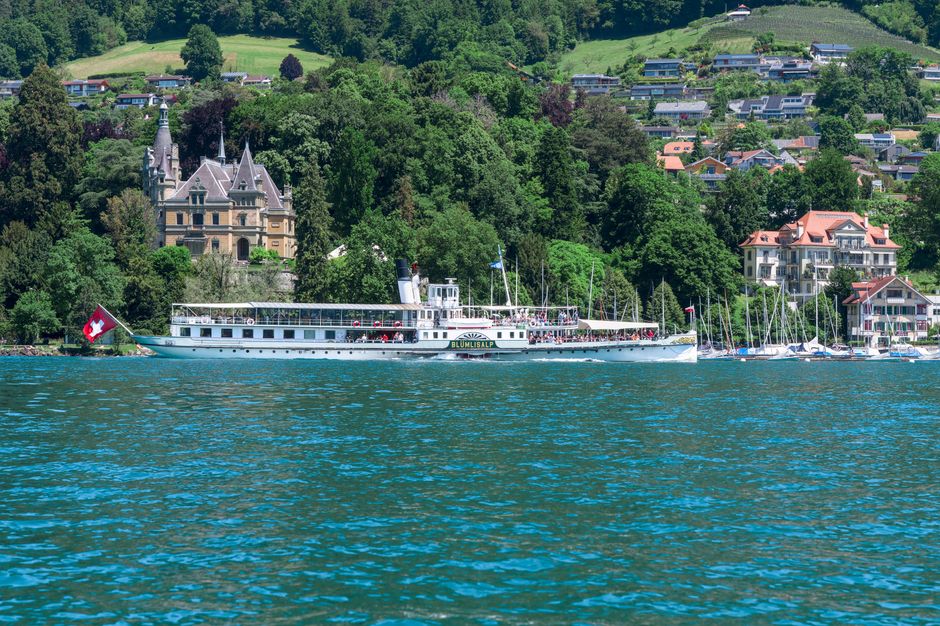
Carved by retreating ice-age glaciers, the deep turquoise expanse of Lake Thun reflects centuries of Bernese power against the sheer limestone massifs of the Niederhorn. Along its shoreline, medieval fortifications give way to Belle Époque grandeur. At water’s edge stands Oberhofen Castle, where a stout 13th-century keep is offset by an overwater turret and a lakeside chapel adorned with 1470 Romanesque-Gothic murals. Further west, the sandstone pinnacles and French Renaissance oriels of Schloss Schadau, completed in 1854, border symmetrical parterres where composer Johannes Brahms spent summers in the late 1880s drafting chamber music. Since 1906, the twin-cylinder steam paddle wheeler *Blümlisalp* has cut these waters, plying a route beneath the cliffside caverns once inhabited by the 6th-century Irish hermit St. Beatus. Standing on the wooden quays near Interlaken, visitors are enveloped by a crisp, pine-laden breeze funneled down from the snowbound triad of the Eiger, Mönch, and Jungfrau. The water shifts vividly under sunlight, transitioning from milky jade in the shallows to an ink-dark cobalt across its 217-meter depths. On the lake, the rhythmic, metallic churn of iron paddlewheels echoes off the sheer rock faces, sending gentle swells to lap against submerged castle footings. Walking the gravel promenades, travelers catch the sharp scent of damp shale and alpine spray, flanked by terraced Spiez vineyards that cascade straight into the cold, mirrored water.