 New added
Canals
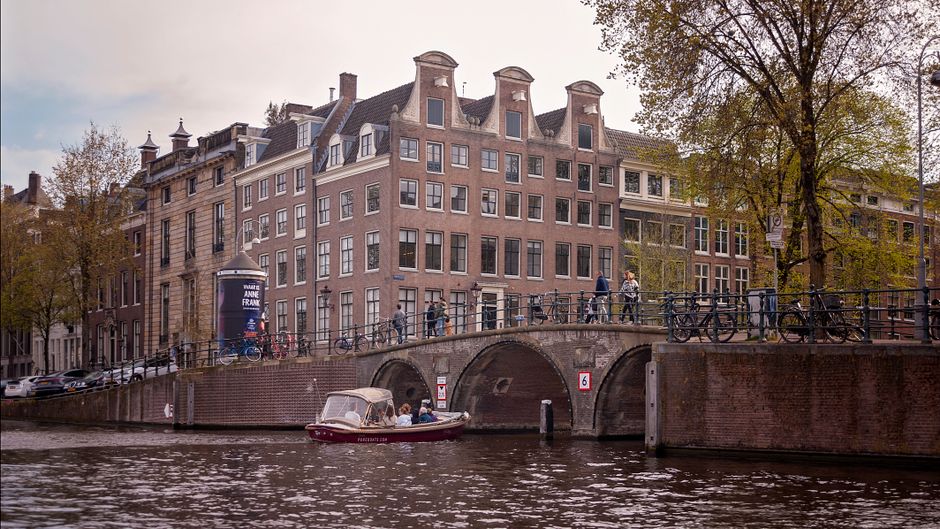
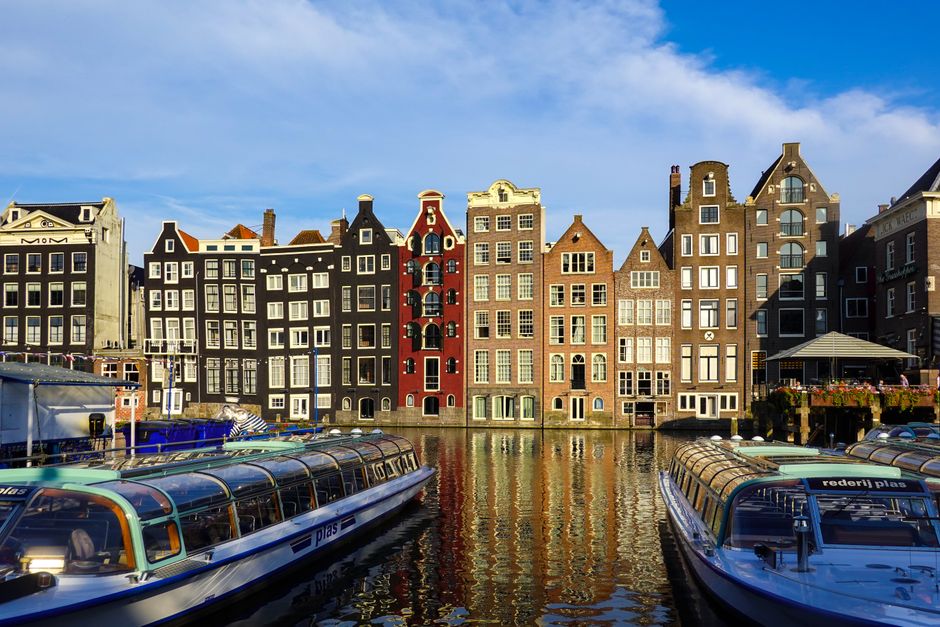
Carved during the Dutch Golden Age under an ambitious 1613 municipal expansion designed by surveyor Lucas Jansz Sinck, Amsterdam’s concentric canal belt—the *Grachtengordel*—stands as a masterwork of hydraulic engineering and merchant wealth. Flanking the primary crescent waterways of the Herengracht, Keizersgracht, and Prinsengracht, narrow townhouses rise four stories high from subterranean timber pilings. These brick facades, shaped by Dutch Renaissance and Classicist aesthetics, showcase an array of ornate neck, bell, and stepped gables trimmed in imported bentheim sandstone. Protruding beneath their roof peaks, wrought-iron hoisting beams endure as functional relics from the era when maritime goods were hauled directly from barges into top-floor storehouses, with walls deliberately tilted forward (*op de vlucht*) to protect ornate facade windows. Linger on the stone bridge at the intersection of Reguliersgracht and Herengracht at dusk, and you can gaze straight through a sequence of illuminated, subterranean-like bridge arches reflecting off the dark, peat-tinted water. The sensory rhythm along the cobblestones is immediate: the sharp click of bicycle gears on wet paving, the hollow thrum of historic wooden salon boats gliding past weeping willows, and the earthy scent of damp moss clinging to centuries-old quay walls. Standing beside cast-iron railings laden with bicycles, visitors watch the dark waters mirror leaning charcoal-brick facades, their soaring sash windows revealing timber-beamed ceilings and the warm flicker of interior chandeliers.