 New added
Radcliffe Camera
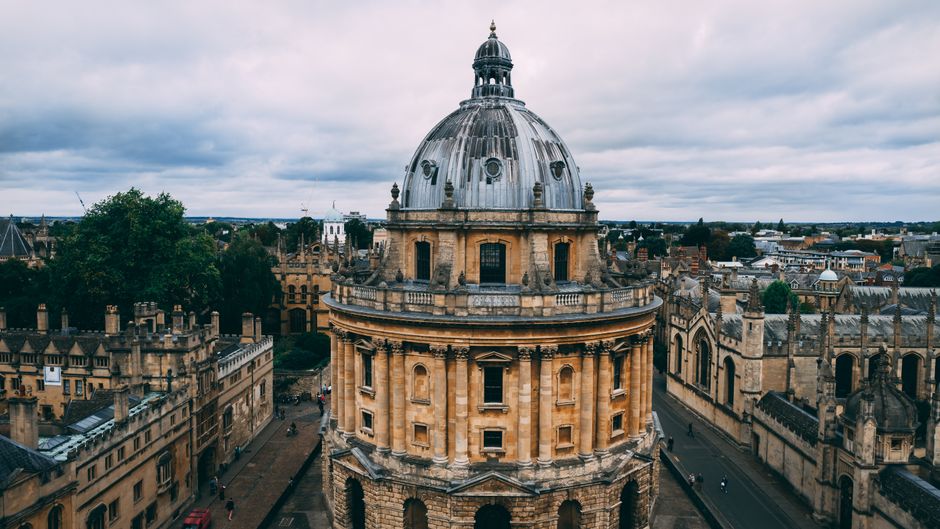
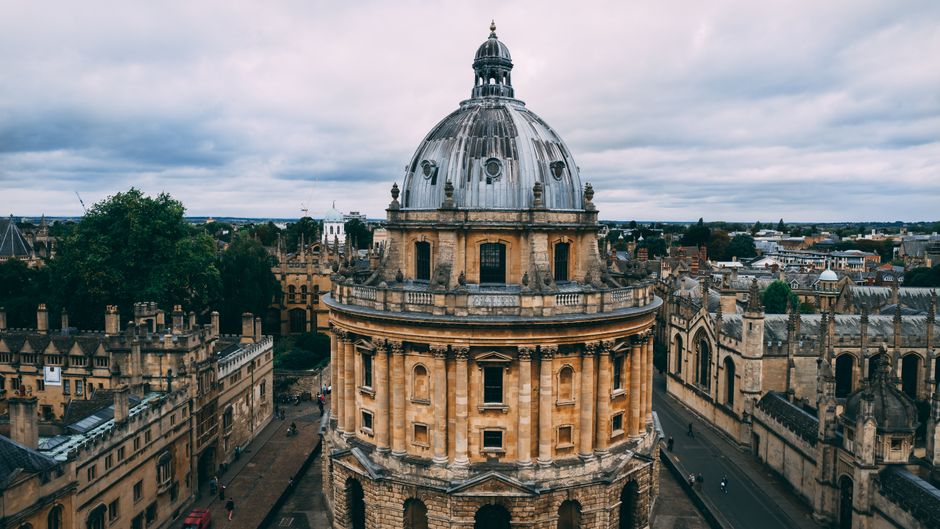
Rising like an immense stone crown amidst Oxford’s Gothic spires, the Radcliffe Camera represents a triumphant convergence of English Palladian and Baroque architecture. Built between 1737 and 1749 to house a dedicated science library, the monumental rotunda was financed by a £40,000 bequest from royal physician Dr. John Radcliffe and executed by architect James Gibbs. Its exterior is an exercise in harmonious geometry: an eight-sided, rusticated ashlar foundation gives way to a cylindrical drum ringed with paired Corinthian columns, all supporting a ribbed, lead-sheathed dome and lantern. Carved from local honey-hued Headington and Taynton freestone, the structure serves today as a vital reading room for the Bodleian Library. Stepping onto the uneven cobblestones of Radcliffe Square, visitors enter an open-air quadrangle enclosed by the fluted buttresses of All Souls College, Brasenose College, and the soaring spire of the University Church of St Mary the Virgin. While access past the wrought-iron gates into the interior reading rooms is largely reserved for university scholars, standing at the perimeter offers an immersive encounter with academic tradition. Shifting English sunlight casts deep, sculptural shadows across the curved balustrades, while the muffled clatter of passing bicycles and the rhythmic chime of church bells enhance the timeless, contemplative atmosphere surrounding Gibbs's circular masterpiece.