 New added
Al Jalali Fort
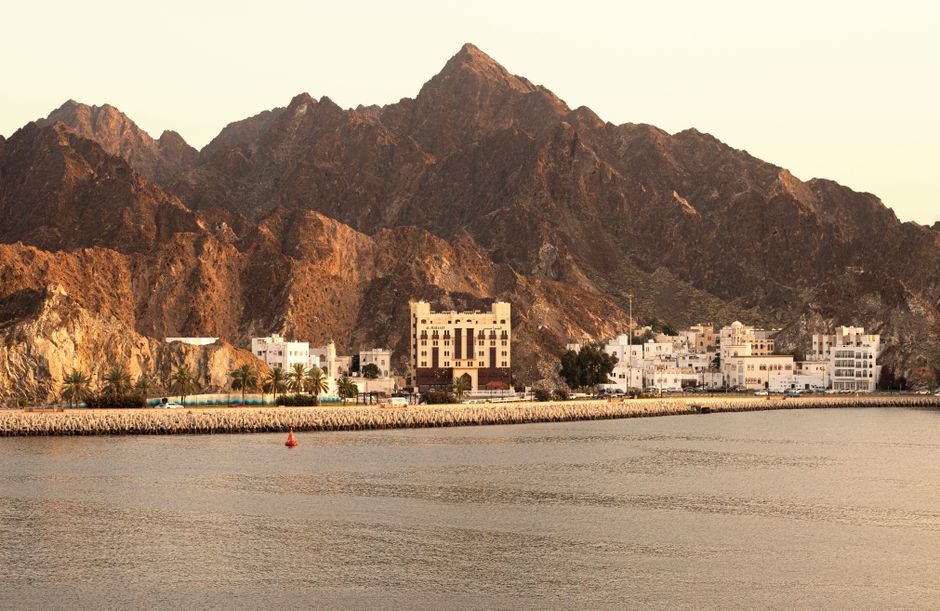
Rising abruptly from a rugged sea crag flanking Old Muscat’s eastern harbor, Al Jalali Fort stands as an unyielding sentinel carved from sun-baked ochre stone. Commissioned in the late 1580s by the Portuguese—who dubbed it Fort São João following devastating Ottoman naval raids—the citadel solidified colonial control over maritime trade routes until 1650, when Imam Sultan bin Saif expelled the occupiers and claimed it for the Ya’aruba dynasty. Characterized by functional military austerity rather than ornate decoration, the fortification features two massive cylindrical watchtowers linked by thick, crenellated ramparts bristling with weathered bronze cannon, historically accessed only by a sheer, defensible staircase chiseled directly into the sea cliff. Gazing up from a wooden dhow cutting through the harbor swells, travelers are struck by the fortress’s vertical isolation, which makes the stone bastions appear as a natural, jagged extension of the shoreline. Salty winds sweep across the cliff face, carrying the weight of centuries when the site served both as a tactical gun platform and a grim twentieth-century state prison. At sunset, the fading light ignites the stonework in deep amber hues against the dark backdrop of the Al Hajar Mountains, framing a dramatic view of Muscat's natural amphitheater and the nearby Al Alam Palace. While the interior heritage museum remains strictly reserved for state dignitaries, standing beneath its sheer coastal foundations evokes an immediate, tangible encounter with Oman’s contested maritime past.