 New added
Bedouin Camps
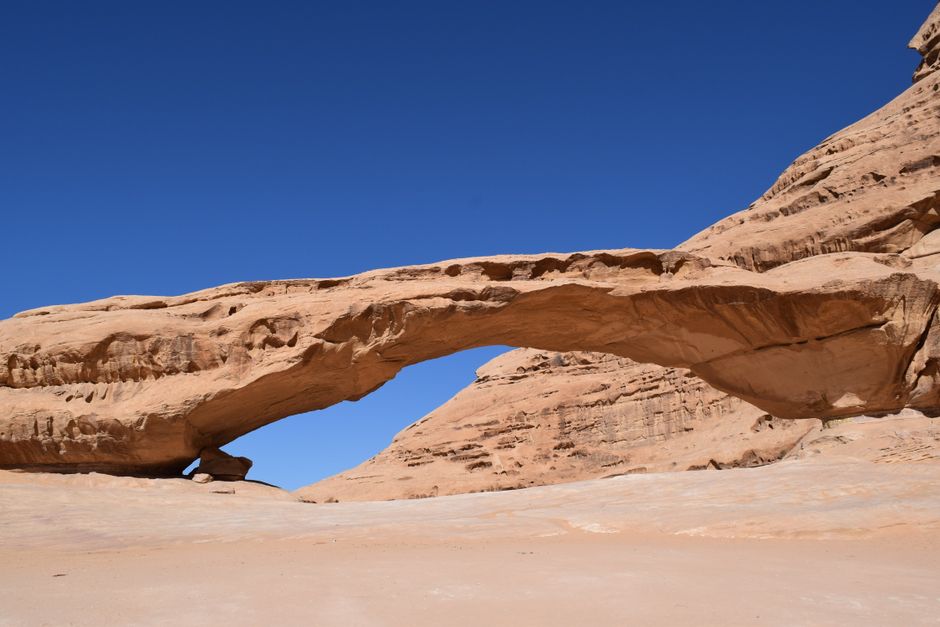
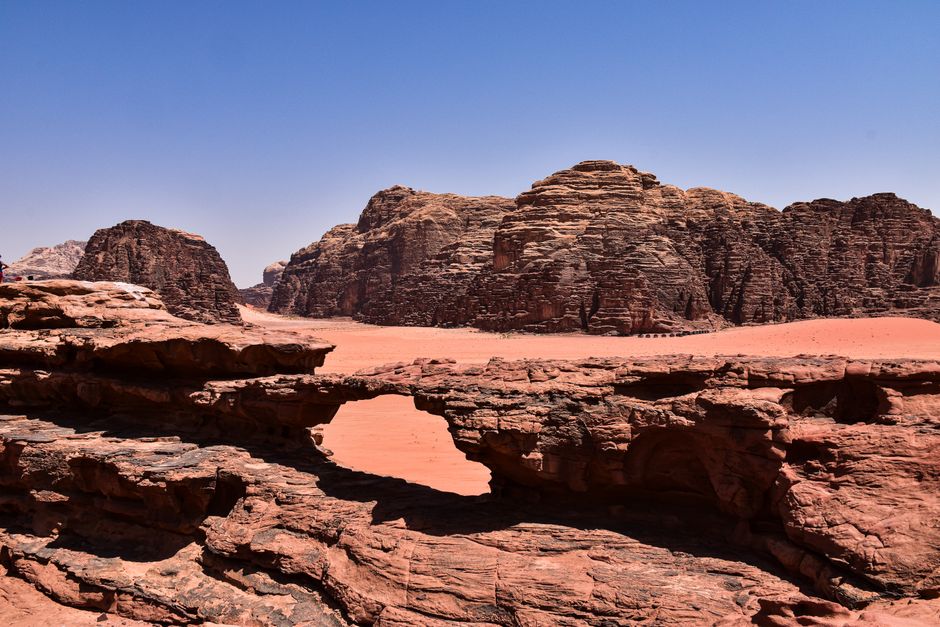
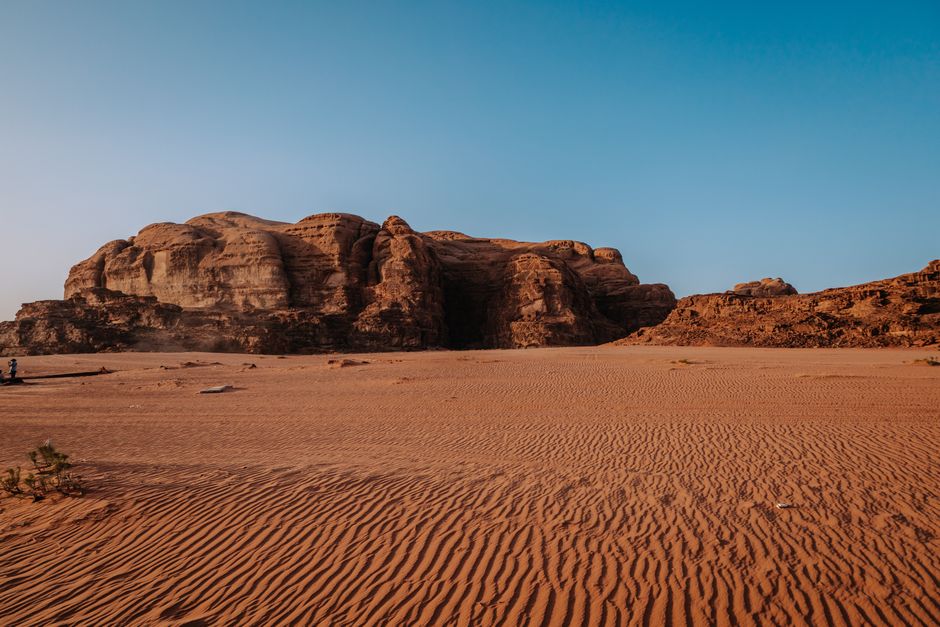
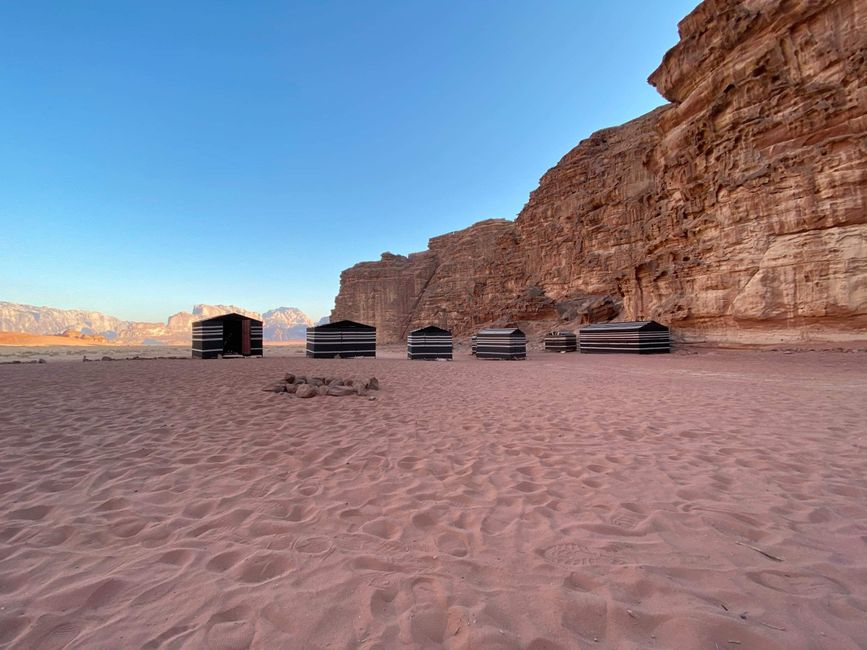
Nestled against the rust-hued sandstone massifs of southern Jordan, these desert encampments descend directly from centuries of nomadic pastoralism practiced by the Zalabieh and Howeitat tribes—clans who guided T.E. Lawrence through this valley during the 1917 Arab Revolt. The core of authentic Bedouin camp architecture is the *beit al-sha’ar* (house of hair), a low-slung tent woven from coarse black-and-cream goat wool that expands in the rare desert rain to seal out moisture while ventilating during blistering days. In recent decades, these traditional textile shelters have been joined by Martian-style geodesic domes perched on timber platforms, all dwarfed beneath the 1,700-meter monolith of Jebel Um Ishrin. Stepping into an encampment at dusk, travelers are greeted by the aroma of wild sage tea and crushed cardamom boiling over open acacia embers. As twilight drains the red dunes of heat, hosts excavate dinner from a *zarb*—a subterranean barrel oven buried under the sand, revealing tiered racks of spiced lamb and root vegetables slow-roasted to tenderness over desert coals. Nightfall strips away modern noise entirely, leaving visitors reclining on geometric kilim carpets in profound stillness, gazing up at an unpolluted Milky Way arching over the jagged silhouettes of ancient granite canyon walls.