Sheki Fortress
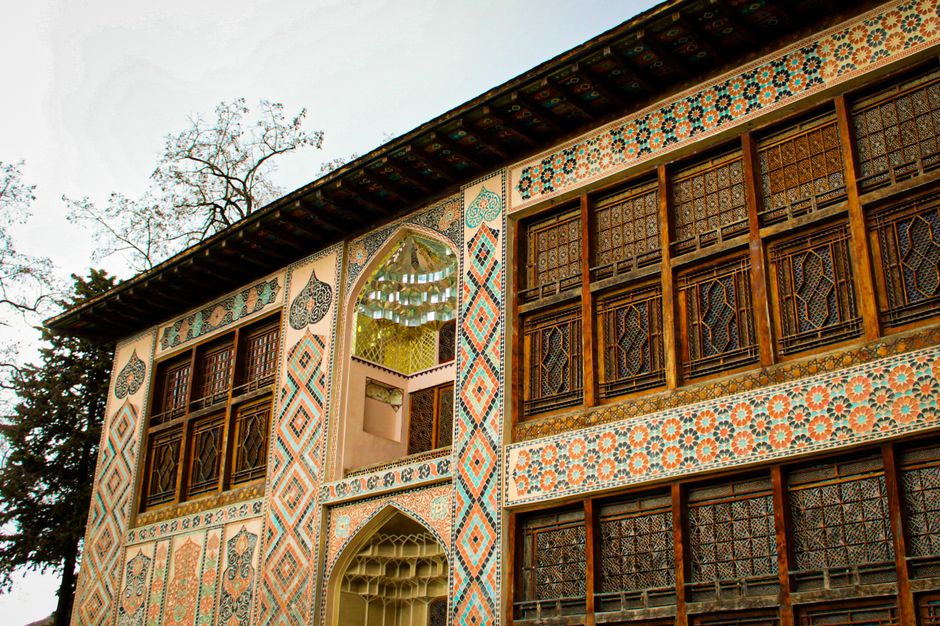
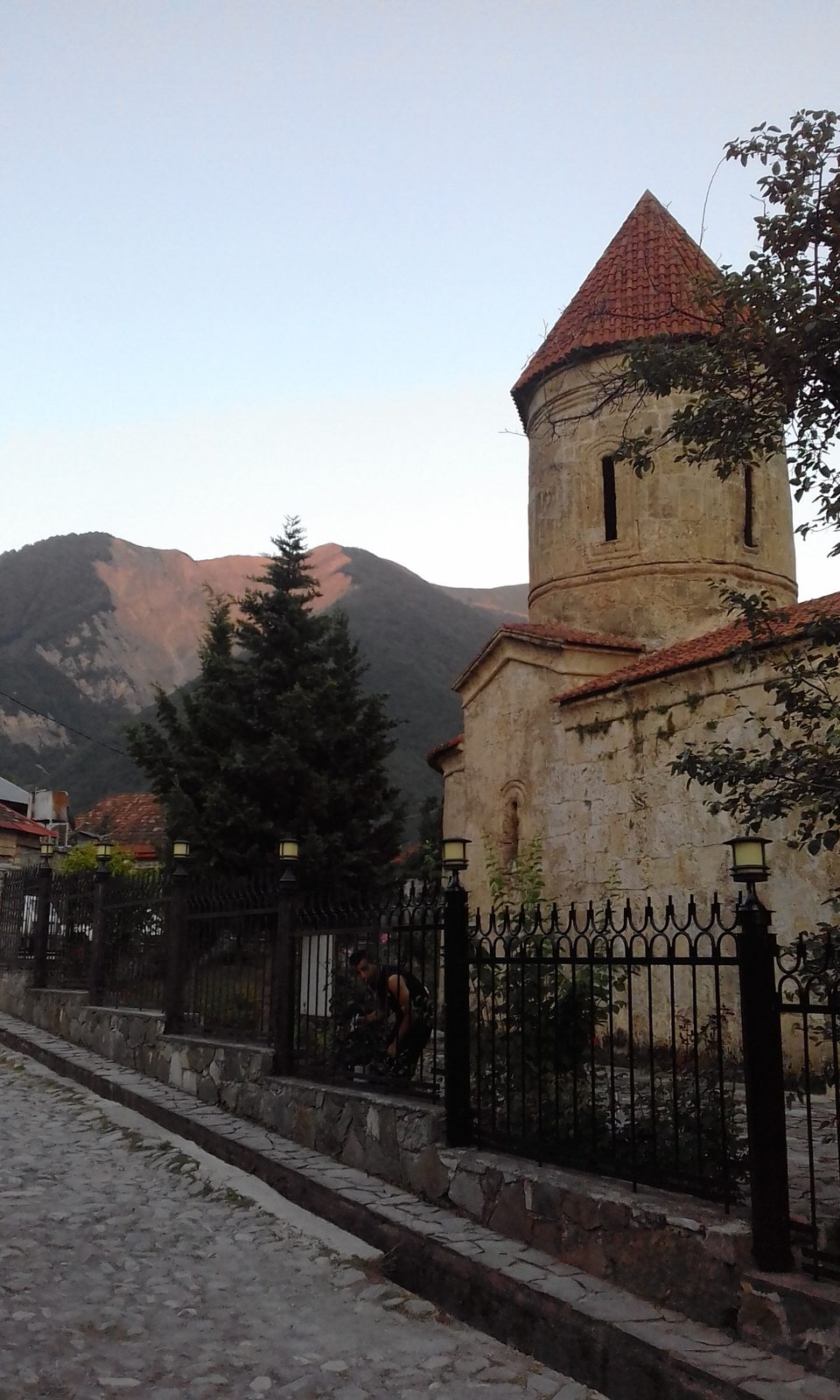
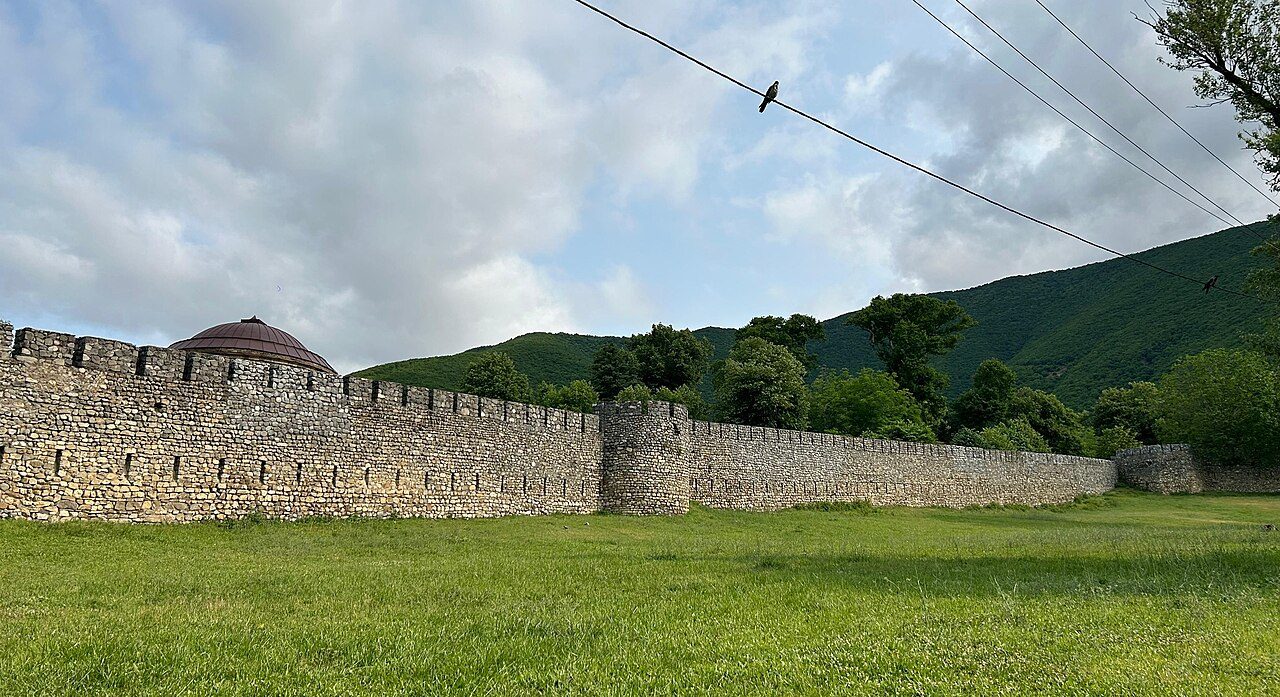
Erected in the mid-18th century under the reign of Haji Chalabi Khan to defend the Shaki Khanate, this mountain citadel enclosed the administrative and royal heart of the realm. A 1.3-kilometer perimeter of rugged rubble-stone ramparts and circular bastions forms an imposing barrier against the southern foothills of the Greater Caucasus. Within the enclosed courtyard stands the two-story summer palace, flanked by twin giant plane trees planted in 1530. The palace's facade and mirrored reception chambers showcase exquisite *shebeke* craftsmanship—intricate geometric wooden lattices slotted together without nails or glue, framing thousands of individual panes of vibrant Venetian stained glass that scatter brilliant jewel tones of crimson, amber, and cobalt across plaster walls painted with Persian hunting miniatures. Crossing through the fortified stone gateway, travelers leave the bustle of town behind for quiet cobblestone pathways shaded by wild walnut trees. The air carries the distinct scent of sun-warmed lime mortar, mountain boxwood, and dry pine. Walking along the stone perimeter parapet reveals panoramic vistas of red-tiled rooftops cascading down the Kish river valley. Within the citadel grounds, visitors encounter not only the royal residence but also an 18th-century stone-domed circular church, now an applied arts museum where the rhythmic tapping of local coppersmiths and silk artisans echoes off ancient masonry, preserving the tactile traditions of the historic Silk Road.