

Patriarchal Monastery of Pec
Guarding the mouth of the Rugova Gorge along the rushing Pećka Bistrica River, the Patriarchal Monastery of Peć stands wrapped in distinctive terracotta-red plaster, a stark contrast to the jagged limestone cliffs of the Accursed Mountains. Established in the mid-13th century under Archbishop Arsenije I as the mausoleum and supreme seat of the medieval Serbian Orthodox Church, this UNESCO World Heritage sanctuary is a masterwork of Serbo-Byzantine architecture. Rather than a single temple, the complex features a rare architectural configuration: three interconnected churches—the Holy Apostles, Saint Demetrius, and the Virgin Hodegetria—alongside the smaller chapel of Saint Nicholas, seamlessly unified beneath a monumental, arcaded narthex built by Archbishop Danilo II around 1330. Crossing the threshold, travelers transition from bright Balkan daylight into cool, cavernous interiors smelling of tallow candles and centuries of burning frankincense. Masterful 14th-century frescoes encase every arch and dome, revealing expressive biblical scenes, solemn portraits of archbishops in their stone sarcophagi, and the sprawling genealogical tree of the Nemanjić dynasty. In the quiet courtyard outside, a massive, gnarled black mulberry tree, reputedly planted by Saint Sava over seven centuries ago, still spreads its twisted limbs across the lawn. Beneath its shade, accompanied only by the rhythmic murmur of the mountain river, the palpable weight of Balkan spiritual history settles over every visitor.
More in Peja
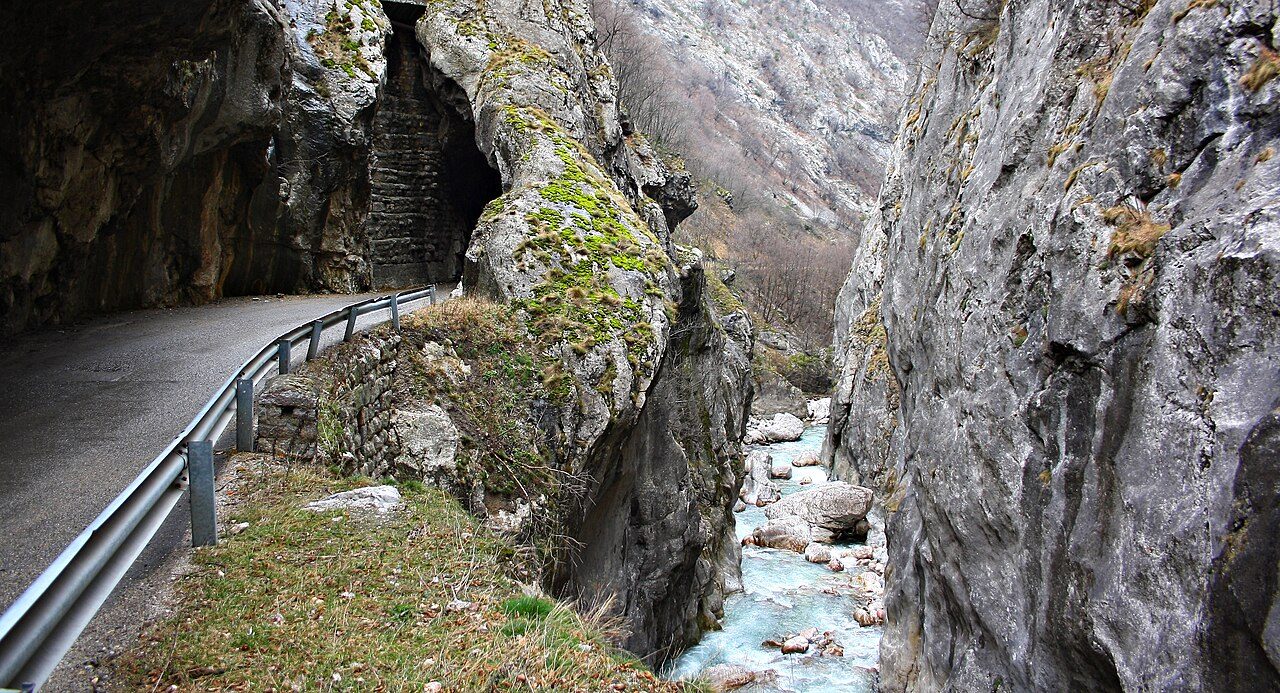
Photo credits (2)
- Ardianlumi, CC BY-SA 3.0, via Wikimedia Commons
- Arianit, CC BY-SA 4.0, via Wikimedia Commons