
Peja
Peja presses directly against the steep limestone walls of the Accursed Mountains in western Kosovo, where the Lumëbardhi River rushes out of the Rugova Gorge and cuts through the center. Walking its streets, you hear the steady roar of alpine water alongside the clatter of riverside cafés. The air carries scents of roasted coffee beans and charred oak from traditional bakeries, while sheer rock faces loom directly over the low-rise residential alleys. The town expanded significantly under medieval Serbian and Ottoman rule. Just upstream stands the thirteenth-century Patriarchate of Peć, a quiet monastery complex safeguarding vibrant Byzantine frescoes beneath ancient mulberry trees. In the center, the Old Bazaar preserves its historic trading layout, anchored by the stone Bajrakli Mosque completed in 1471. Scattered throughout the neighboring quarter are historic stone kullas, the fortified tower-houses distinctive to the Dukagjin plateau. Daily life gathers around the bustling Green Market, where mountain farmers sell rounds of brined cheese, walnuts, and wild forest honey. Evening diners order plates of grilled suxhuk sausages and mazë e zier, a hot cornmeal dish boiled in clotted cream, washed down with the town namesake pilsner. Every July, the international Anibar festival fills local cinemas and open-air riverside parks with animated films. The town center is flat and easily navigated entirely on foot, with late spring through early autumn providing the best weather for exploring before winter snow closes the higher passes.
Read more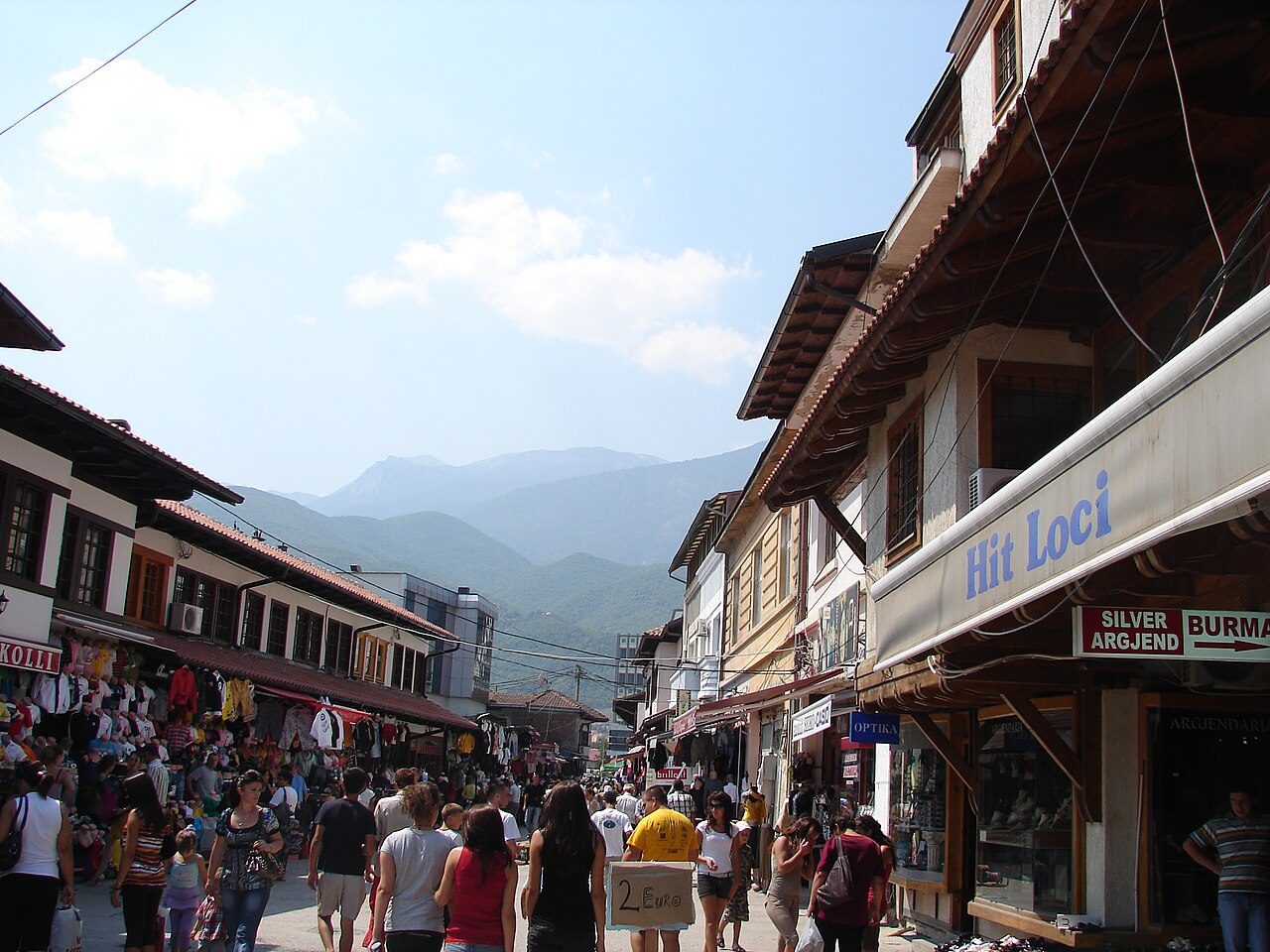
What to see in Peja

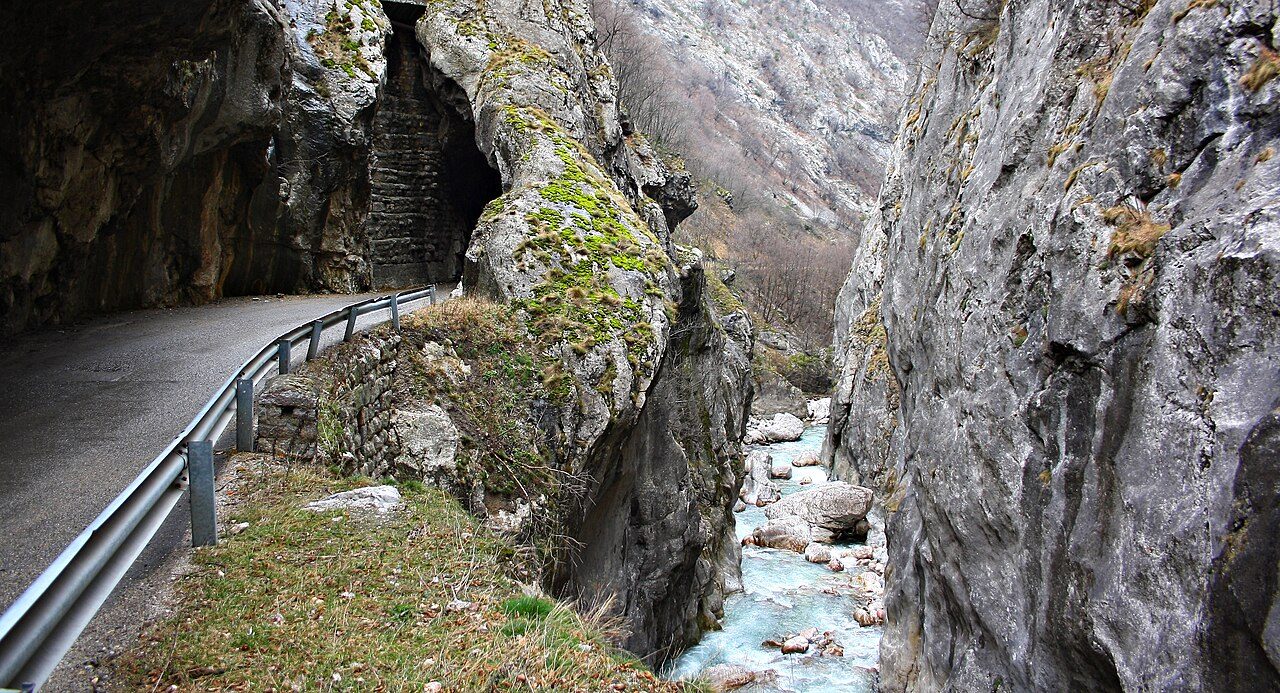
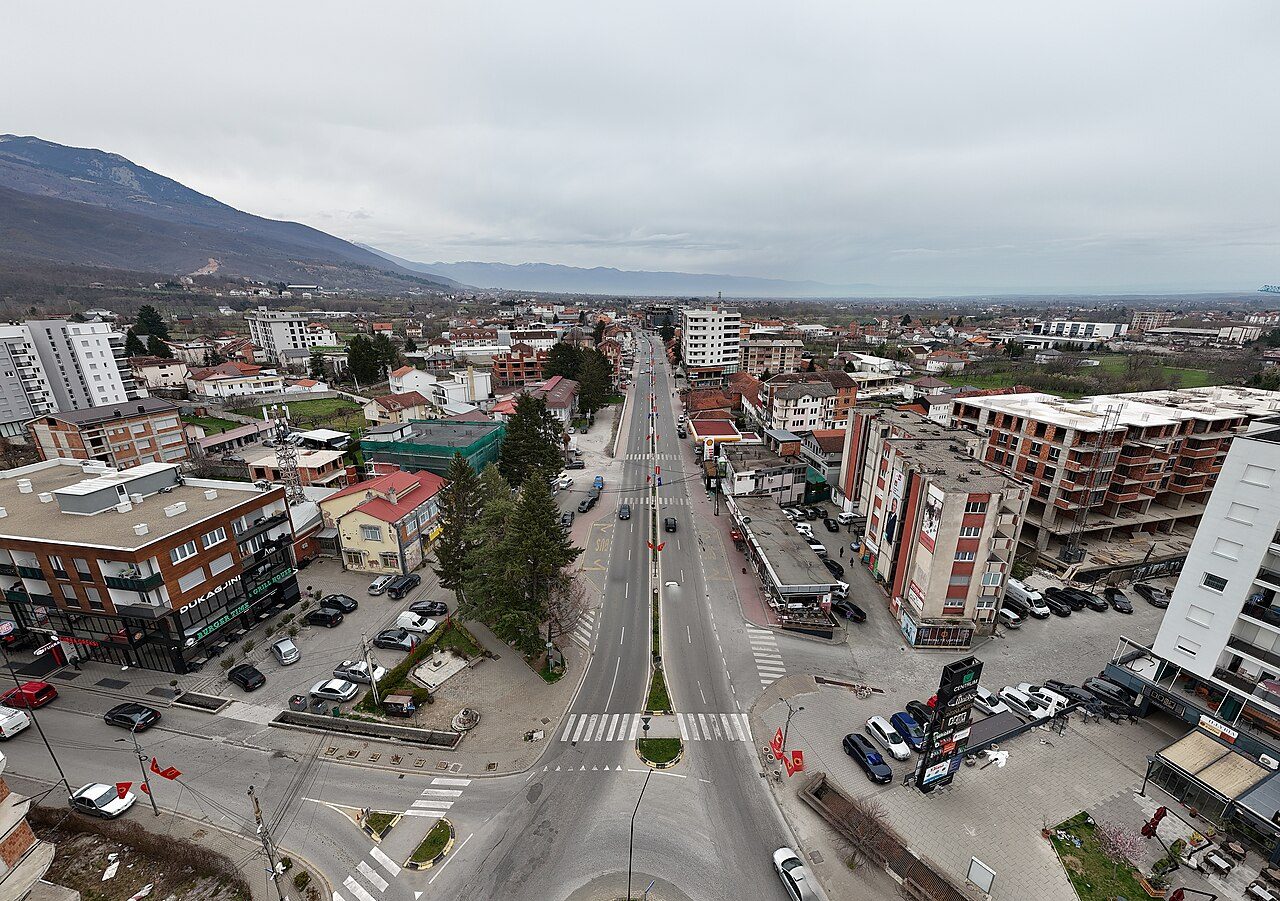
Photo credits (3)
- a.dombrowski, CC BY-SA 2.0, via Wikimedia Commons
- Ardianlumi, CC BY-SA 3.0, via Wikimedia Commons
- Arianit, CC BY-SA 4.0, via Wikimedia Commons