
Tortuguero National Park
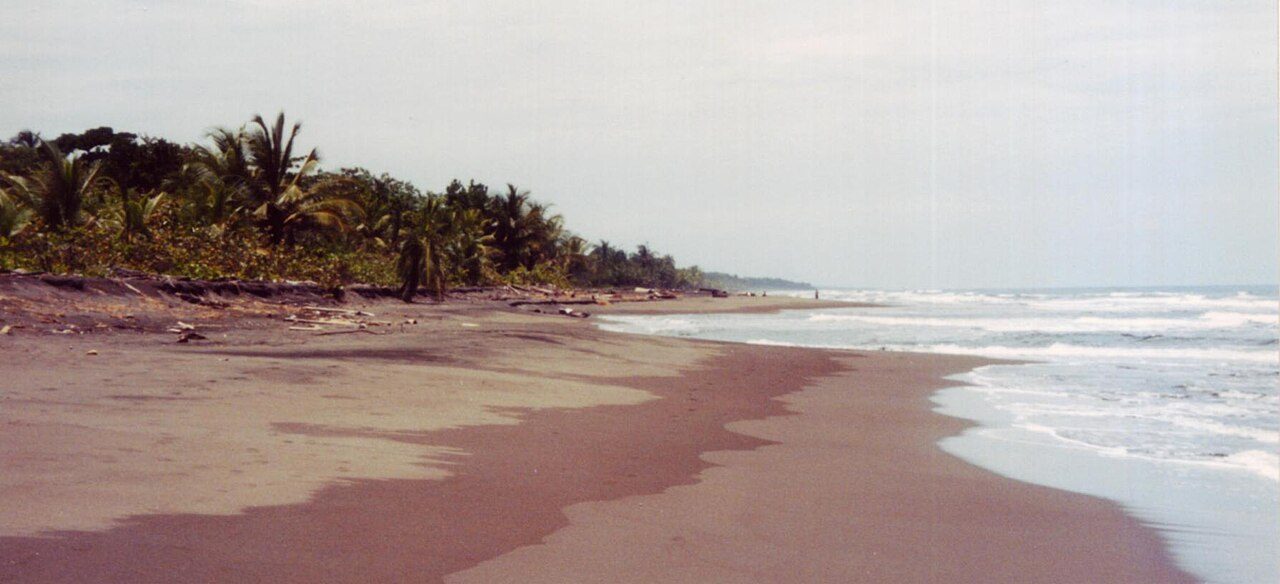
Carved from an isolated stretch of Limón province where roads do not exist, Tortuguero was transformed from an exploited logging and turtle-hunting outpost into a protected sanctuary in 1975, largely through the pioneering research of American herpetologist Dr. Archie Carr. The park’s terrain pivots on a stark contrast of ecosystems: twenty-two miles of coarse, pitch-black volcanic sand fronting the turbulent Caribbean Sea, bounded inland by a 77,000-acre labyrinth of tannin-stained, mirror-like freshwater lagoons and the 119-meter extinct volcanic plug of Cerro Tortuguero. Towering over these inland waterways, a flooded rainforest canopy of buttressed *Pachira aquatica* and giant raffia palms forms a dense, dripping green corridor. Exploring here requires boarding a narrow skiff at dawn, slicing through lingering river mist while the guttural, wind-tunnel roars of mantled howler monkeys reverberate through the heavy air. Travelers drift past emerald basilisk lizards sunning on floating water hyacinths and keeled-billed toucans flashing bright yellow chests against the silvery bark of cecropia trees. After nightfall between July and October, the experience shifts entirely to the wave-battered coast; guided under the soft crimson glow of specialized flashlights to prevent disorienting wildlife, visitors watch three-hundred-pound endangered green sea turtles haul themselves ashore, weeping viscous tears to clear the sand as they rhythmically excavate chambers for their translucent clutches of eggs.