Tortuguero
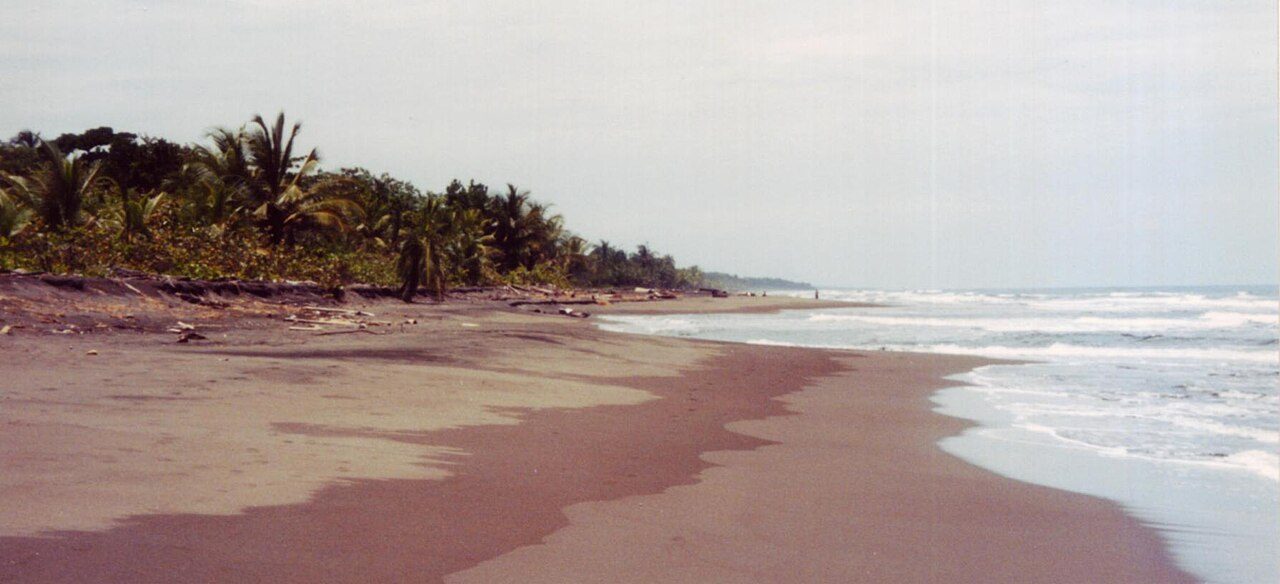
Pinned between the brown, slow-moving Tortuguero River and the rough surf of the Caribbean Sea in northeastern Costa Rica, this remote settlement sits entirely without roads. Walking down its single main footpath means treading on compacted black sand under a dense canopy of palms and breadfruit trees. The air carries the sharp tang of salt, wet earth, and woodsmoke, punctuated by the mechanical roar of howler monkeys and the rhythmic slap of ocean waves against the open beach. Once a quiet timber and turtle-hunting outpost, the settlement changed direction after American biologist Archie Carr helped establish the Caribbean Conservation Corporation here in 1959, leading to the creation of Tortuguero National Park in 1970. Travelers can examine tagging data at the Sea Turtle Conservancy visitor center, trek the muddy Sendero Gavilán trail through littoral woodland, or climb Cerro Tortuguero, a dormant volcanic hill rising above the coastal flatlands. Out on the water, the narrow Caño Palma canal cuts through flooded forest where river otters and caimans surface among floating water hyacinths. Local sodas serve Afro-Caribbean staples like pan bon and rice and beans simmered in thick coconut milk alongside spicy beef patí pastries. Between July and October, evening life revolves around regulated night walks along the dark northern coastline to witness green sea turtles laying eggs. Because motor vehicles do not exist in the village, travel happens strictly on foot or by boat, and hiring an unmotorized canoe at first light offers the best conditions to spot wildlife along the riverbanks before motorized skiffs stir the waters.
Read more