
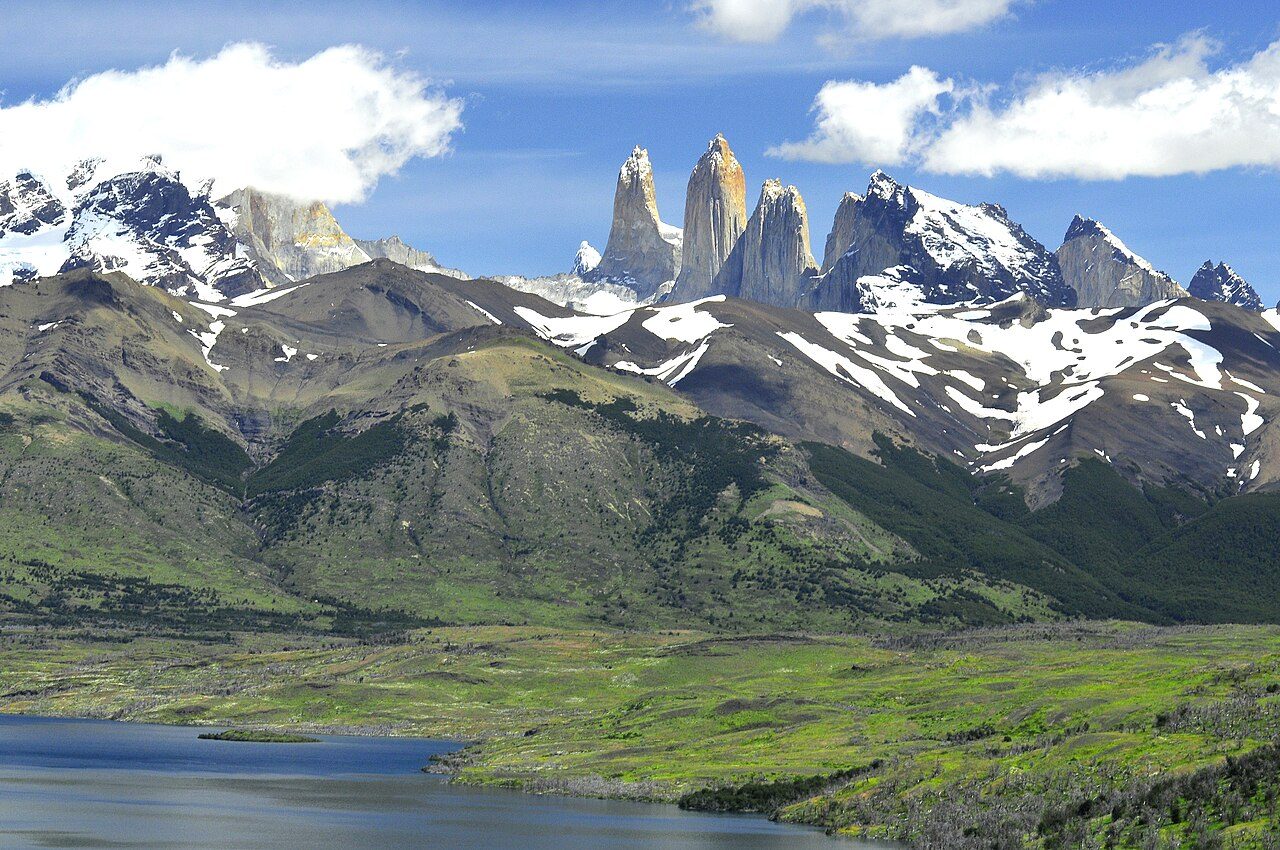
Torres del Paine National Park
Long before Scottish traveler Lady Florence Dixie christened the granite spires "Cleopatra’s Needles" in 1879, nomadic Aonikenk (Tehuelche) hunters traversed the foot of the massif, bestowing the moniker *paine*—their native word for the color blue. Formally established in 1959 and designated a UNESCO Biosphere Reserve in 1978, the park encompasses an extraordinary geological collision that occurred roughly twelve million years ago. A massive laccolith of pale granite intruded into darker Cretaceous sedimentary rock, which intense Pleistocene glaciation subsequently stripped bare. The visual legacy of this event survives in the iconic Cuernos del Paine, whose 2,000-meter vertical spires are starkly bifurcated by charcoal-colored metamorphic caps resting atop ivory diorite. Standing along the glacial moraine at the base of the towers at dawn, visitors watch the three sheer monoliths—Torre Norte, Central, and Sur—ignite in shades of fiery apricot and gold. Fierce, unabated Patagonian westerlies sweep across the milky-turquoise waters of Lake Pehoé and Nordenskjöld, carrying the earthy scents of Magellanic subpolar forest and crushed *lenga* foliage. Every sensory element feels colossal: the sudden thunderclap of blue ice calving from the jagged snout of Glacier Grey, the thermal updrafts that carry Andean condors over raw scree slopes, and the rustle of wild guanaco herds grazing on the golden wind-scoured steppe.
More in Puerto Natales
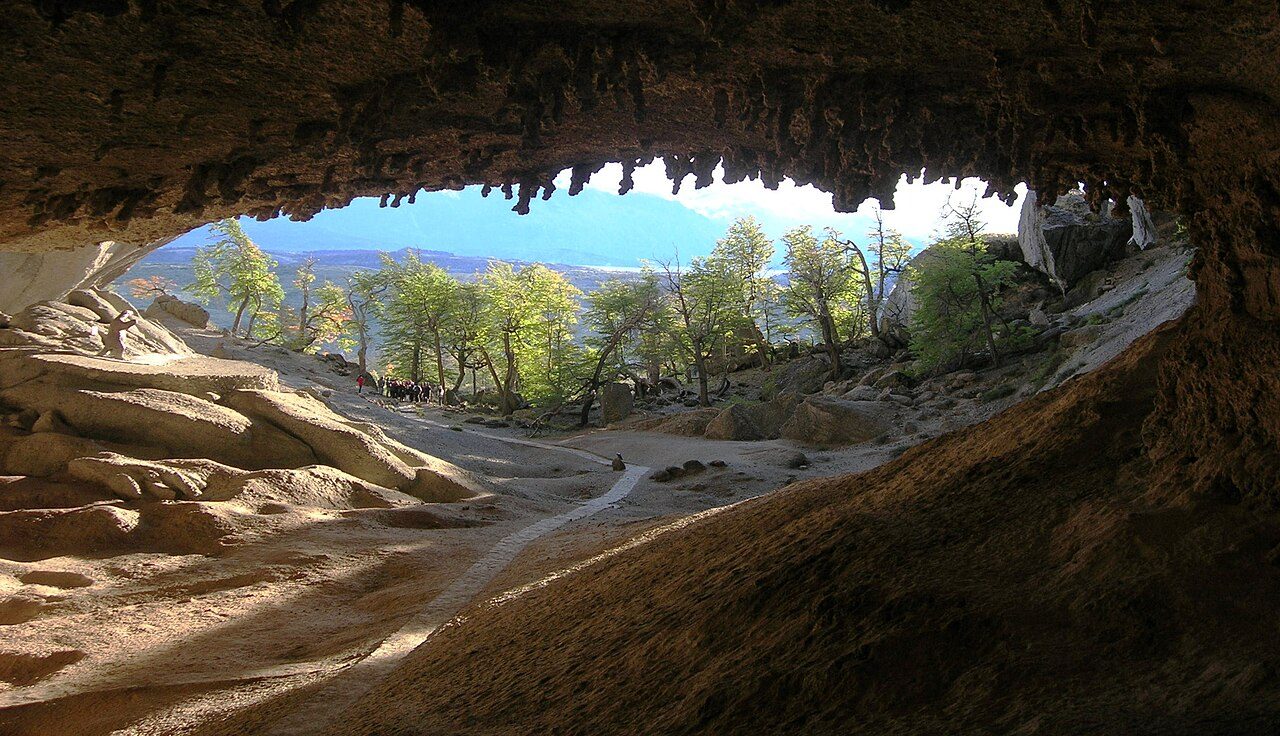
Photo credits (2)
- LBM1948, CC BY-SA 4.0, via Wikimedia Commons
- Remi Jouan, CC BY-SA 3.0, via Wikimedia Commons