
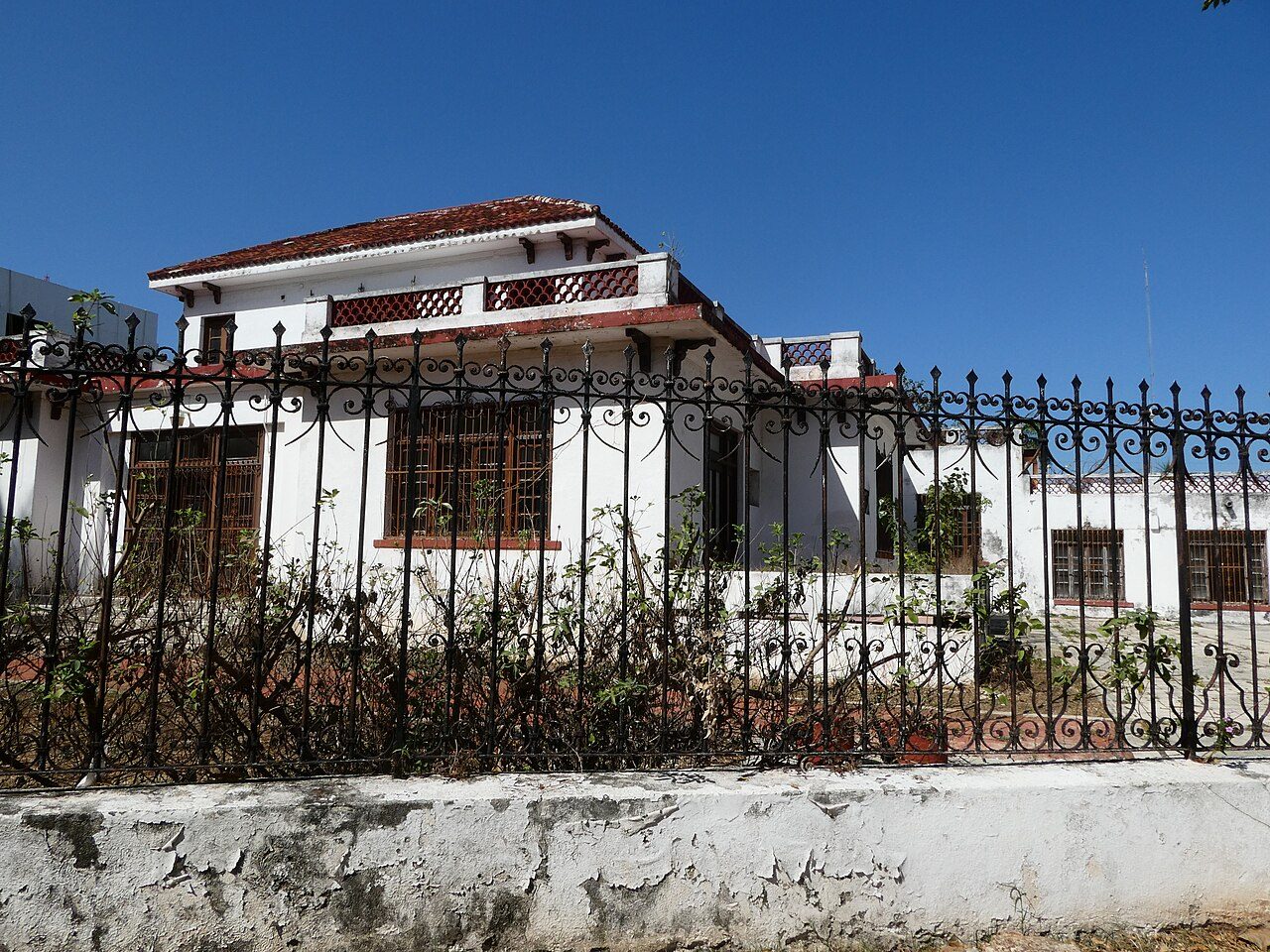
Paseo de Montejo
Conceived in 1888 to rival Paris’s Champs-Élysées, Paseo de Montejo embodies the dizzying opulence of Yucatán’s late-19th-century henequen boom. Financed by the region’s "green gold" sisal barons during the Porfiriato, this wide boulevard discarded traditional Spanish colonial design in favor of grandiose French Renaissance and Beaux-Arts aesthetics. The avenue is flanked by eclectic turn-of-the-century estates, notably the pale-yellow Casas Gemelas with their mansard roofs and wrought-iron balconies, and the majestic Palacio Cantón, an Italianate-neoclassical mansion adorned with fluted ionic columns and imported Carrara marble that now houses the Regional Museum of Anthropology. Strolling the broad promenade beneath the dense, interlocking shade of ancient Indian laurel trees, travelers encounter the rhythmic clip-clop of horse-drawn *calesas* echoing against neoclassical stone facades. At the avenue’s northern terminus looms the monumental *Monumento a la Patria*, hand-carved from pink cantera stone by sculptor Rómulo Rozo between 1945 and 1956; its sweeping curved amphitheater presents more than 300 intricately etched figures documenting Mexican history around an eternal Maya flame. The humid Yucatecan breeze carries the faint scent of crushed sweet lime and caramelized crepes, inviting passersby to pause at sidewalk cafes or sample chilled soursop sorbet from Dulcería Colón while soaking in Mérida’s gilded architectural heritage.
