Merida
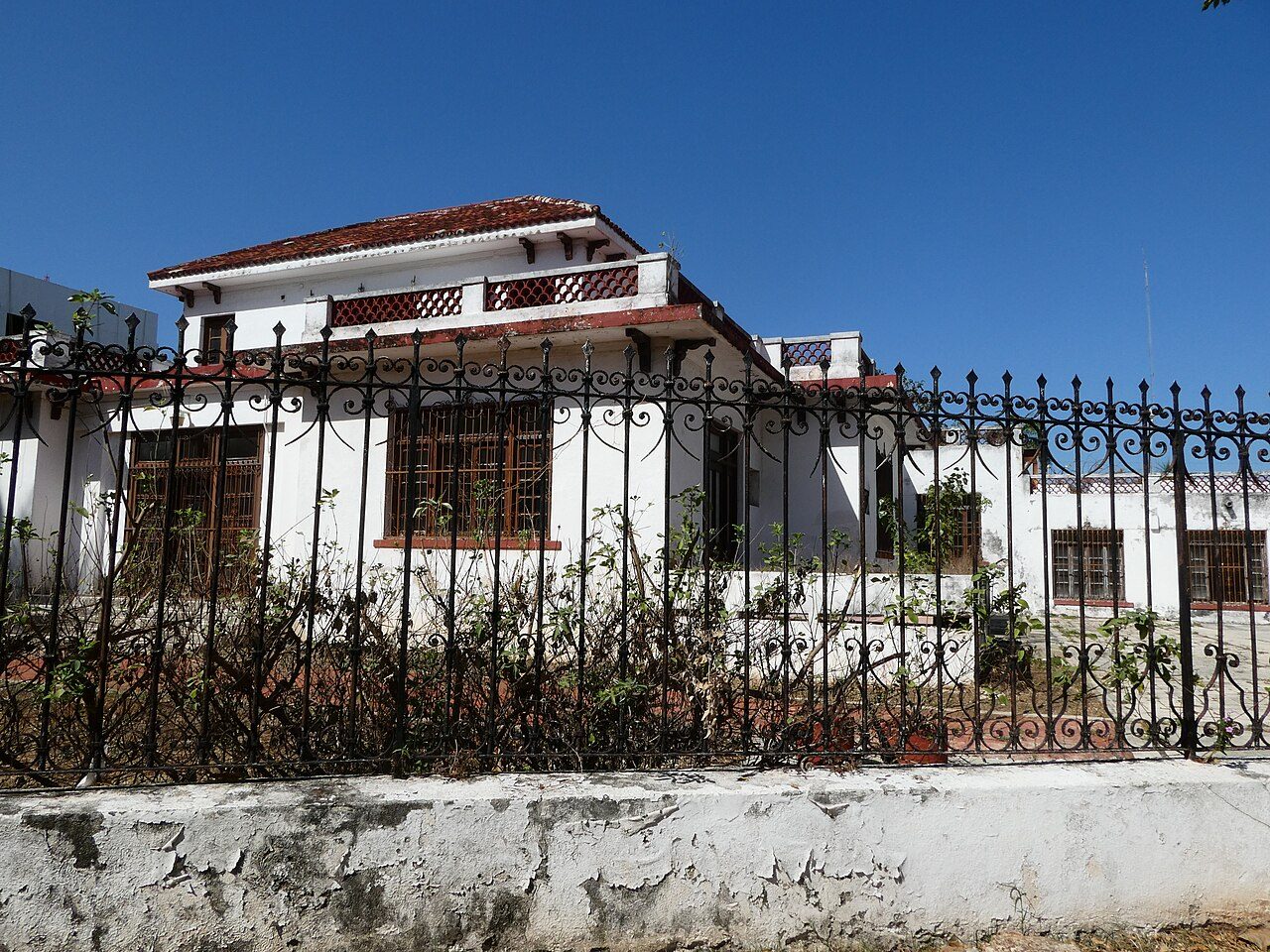
Set inland across the flat limestone shelf of the Yucatan Peninsula, thirty miles south of the Gulf Coast, Merida unfolds in an expansive grid of pastel facades, stone arches, and leafy squares. Walking its sidewalks means moving between sun-baked stone and deep courtyard shade, accompanied by the scent of sour orange blossoms and the clicking whir of ceiling fans stirring the heavy tropical air. Founded in 1542 by Francisco de Montejo atop the Maya settlement of T'hó, the colonial center incorporates carved pre-Columbian stones into Spanish masonry. At the central Plaza Grande stands the fortress-like Catedral de San Ildefonso, completed before the turn of the seventeenth century. Farther north, the broad Paseo de Montejo features the neoclassical, French-inspired mansions built by nineteenth-century henequen barons, while the adjacent neighborhood of Santa Lucía serves as an evening gathering point centered on an arcaded park. Life moves around the climate. Morning trade centers on the Mercado Lucas de Gálvez, where vendors sell recado spice pastes and prepare citrus-marinated cochinita pibil and shredded turkey panuchos. On Sundays, the city shuts down central avenues for the Bici-Ruta cycling morning, followed by jarana dancers performing traditional vaquería steps in front of the municipal palace. Because inland temperatures peak fiercely between noon and four, plan walks for the early hours or after dusk, navigating the flat historic core comfortably on foot or by hailing local taxis.
Read more