 New added
Mingachevir Reservoir
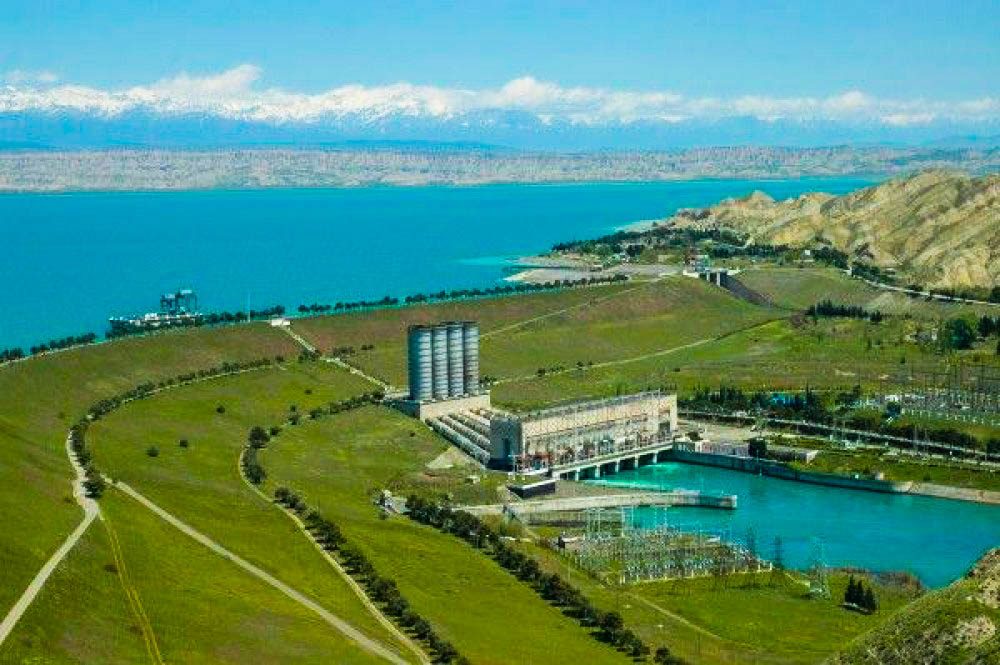
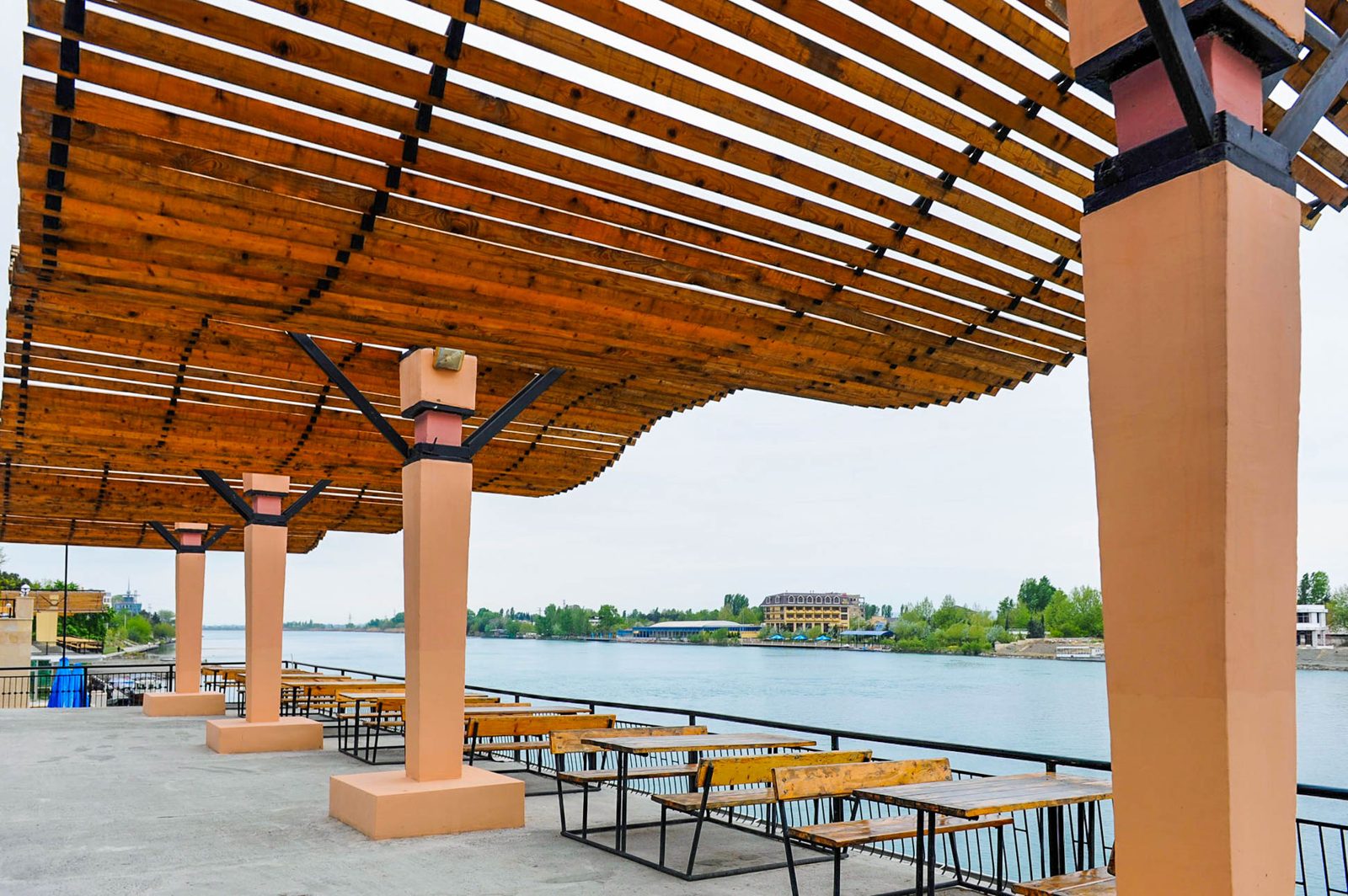
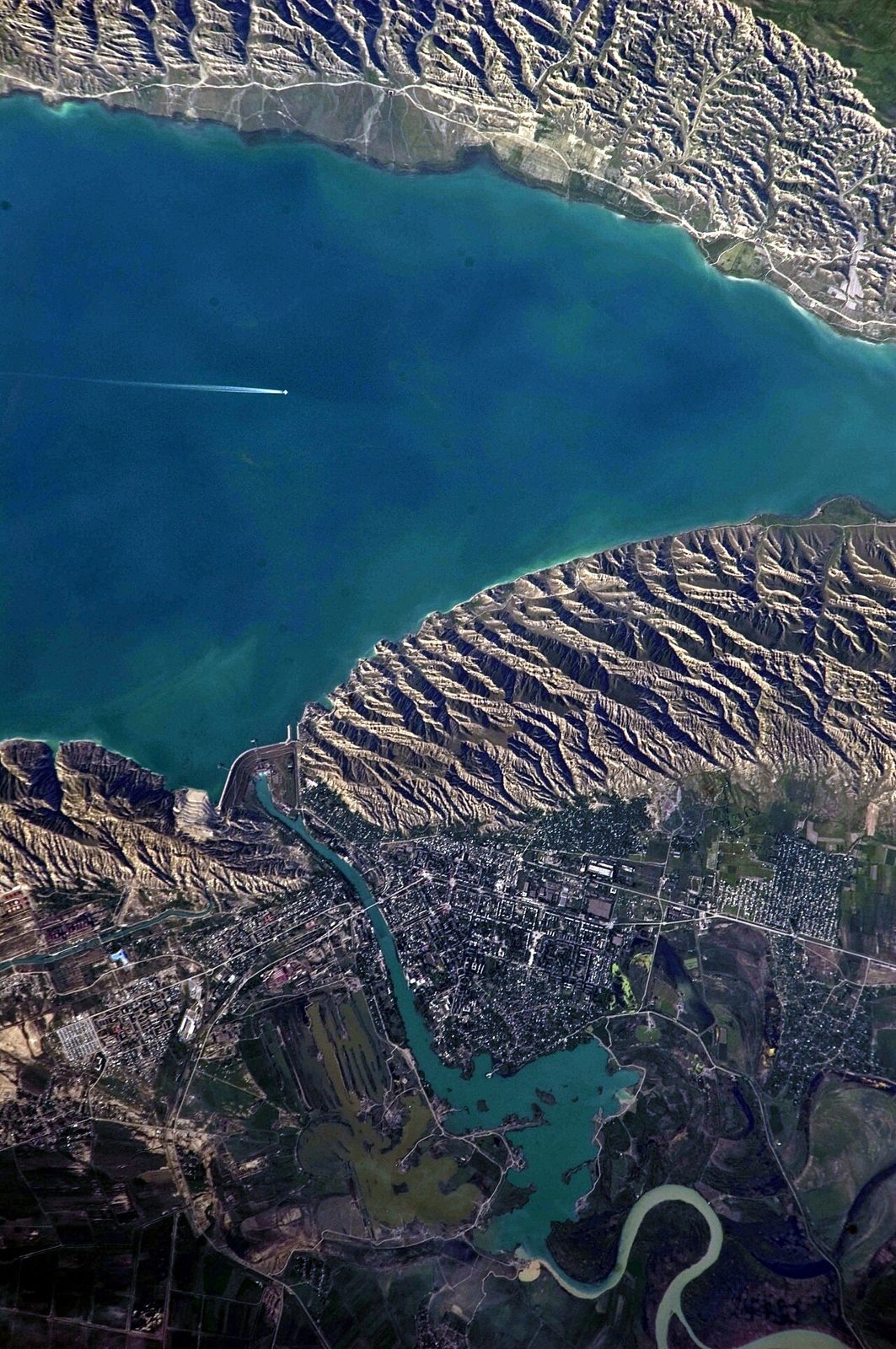
In 1953, Soviet engineers completed the damming of the Kura River through the narrow Bozdağ gorge, giving rise to the vast freshwater expanse known locally as the "Mingachevir Sea." Constructed in part by German prisoners of war following World War II, the landmark's centerpiece is an 80-meter-high earth-fill dam—one of the largest of its kind in Europe at the time of its commissioning. Before floodwaters submerged over 600 square kilometers of the valley floor, archaeologist Saleh Gaziyev led urgent rescue excavations, unearthing ancient Caucasian Albanian settlements, Christian catacombs, and bronze artifacts that charted millennia of trans-Caucasian trade and warfare. Today, travelers walking the sun-drenched waterfront promenade encounter a striking geographic contrast: deep cerulean waters lapping against the arid, chalky-ochre folds of the Bozdağ mountain ridge. A dry steppe wind carries the fresh scent of spray off the inland reservoir, breaking the desert heat. Sleek sculls from the nearby Kur Olympic Rowing Centre glide across glassy bays, cutting through reflections of monumental mid-century intake towers and concrete spillway gates. As late afternoon shadows lengthen over the embankments, local anglers gather along the rocky shoals, casting for carp against a quiet, sea-like horizon that feels thousands of miles removed from the surrounding semi-desert.