 New added
Paphos Archaeological Park
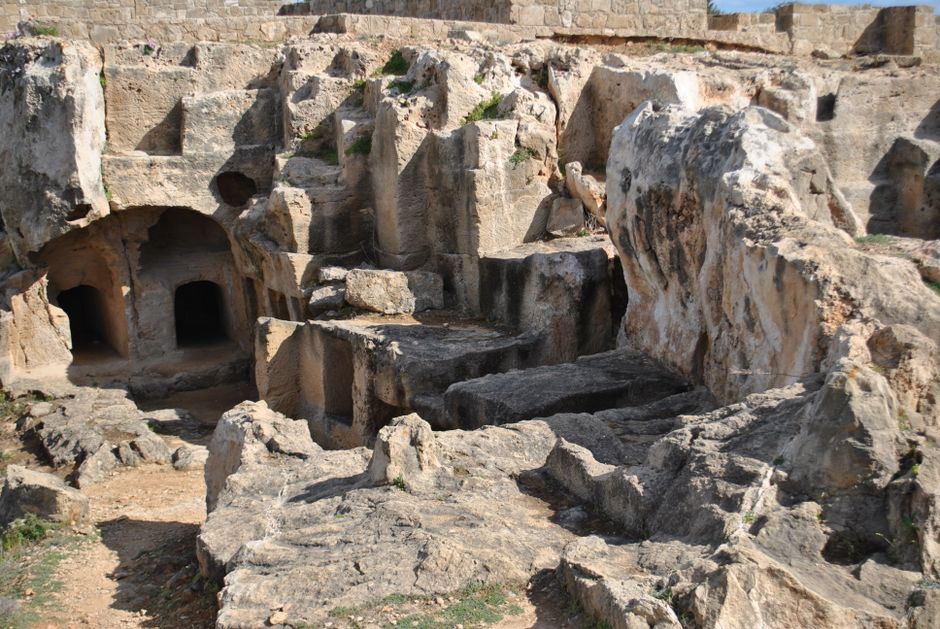
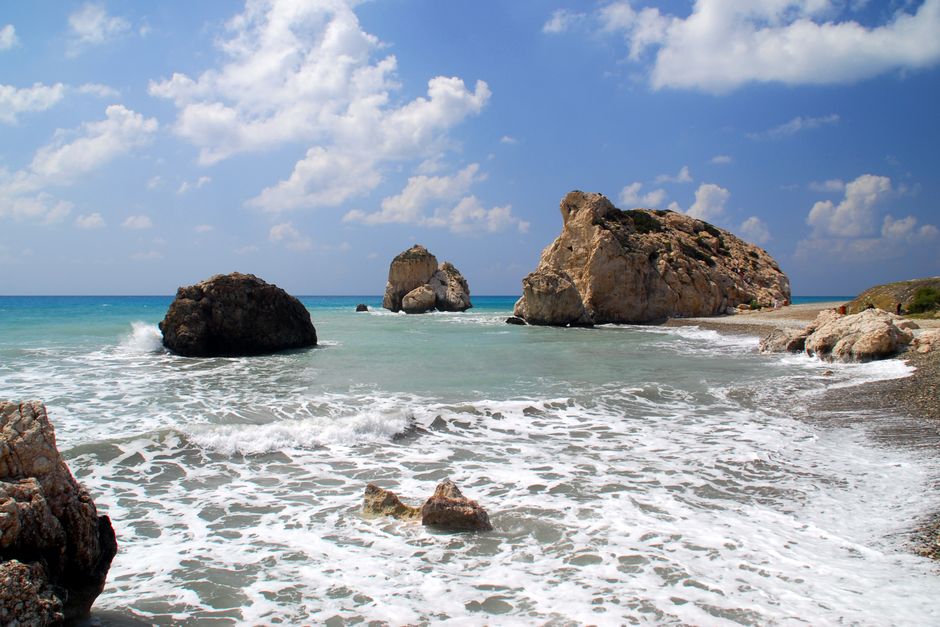
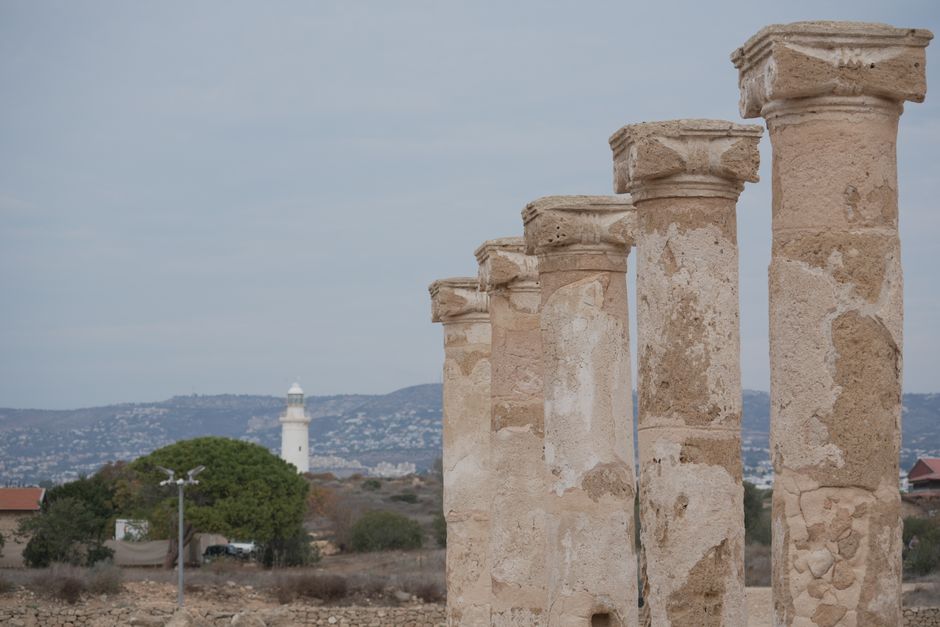
Founded in the late fourth century BC by King Nicocles and later designated the administrative capital of Roman Cyprus, this sun-drenched promontory preserves the opulent core of ancient Nea Paphos. The sprawling complex is anchored by imperial palatial estates—most notably the Houses of Dionysus, Theseus, and Aion—dating from the second to fifth centuries AD. Beneath protective canopies, vast living quarters give way to remarkably intact polychrome mosaics assembled from thousands of tiny glass and limestone tesserae. Here, vivid mythological dramas unfold in rich terracotta, slate, and ochre hues: Dionysus rides a triumphal chariot drawn by panthers, Theseus slays the Minotaur inside a circular labyrinth, and sea nymphs cavort across dining room floors that once hosted Roman magistrates. Beyond the sheltered mosaics, elevated wooden walkways lead out across a windswept plateau scattered with fallen Doric columns and wild coastal shrubs. The sharp scent of sea brine drifts from the adjacent Mediterranean harbor, cooling travelers as they climb the calcarenite tiers of the restored second-century Roman Odeon, framed in the distance by a stark white 1888 British lighthouse. Standing amid the crumbling foundations of the ancient agora and the fortress of Saranta Kolones, visitors encounter an evocative silence, broken only by the rhythmic crash of nearby waves against ancient quays that have anchored Mediterranean empires for millennia.